DMEA in Coatings –Applications of Dimethylethanolamine
Introduction
DMEA (Dimethylethanolamine), CAS No. 108-01-0, plays an important role in modern coating formulations. In particular, coating manufacturers widely use DMEA in water-based coating systems because of its excellent neutralizing and stabilizing performance.
Today, the coating industry continues to move toward environmentally friendly and low-VOC technologies. Therefore, waterborne coatings have become increasingly popular in architectural, industrial, and specialty applications. As a result, the demand for DMEA in coatings continues to grow steadily worldwide.
Basic Information About DMEA
Product Name: Dimethylethanolamine
Abbreviation: DMEA
CAS Number: 108-01-0
Chemical Formula: C4H11NO
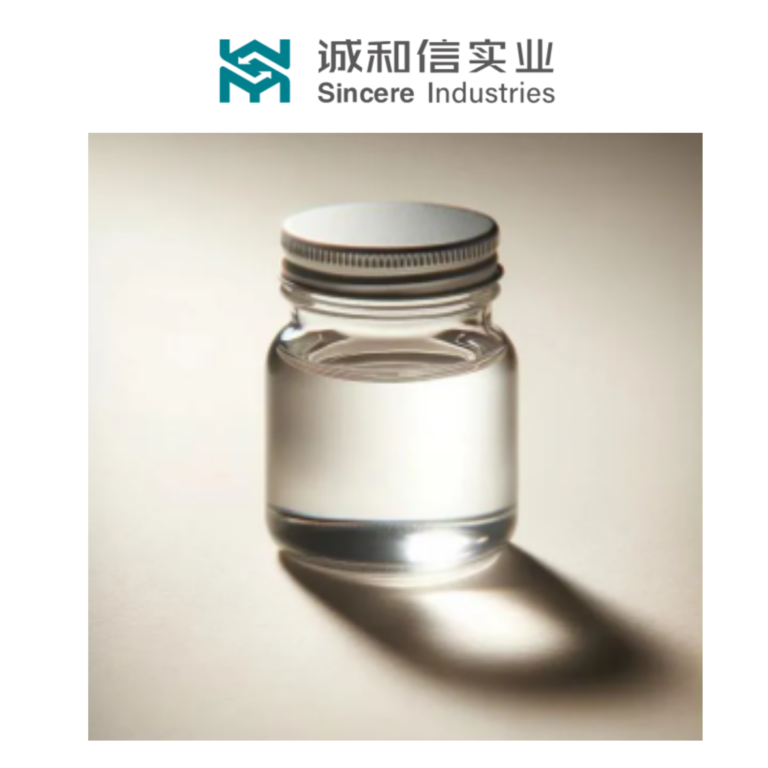
Appearance: Transparent liquid
Why DMEA Is Important in Coatings
1. Resin Neutralization
First, DMEA works as an effective neutralizing agent in many coating systems. Manufacturers often use it to neutralize acidic groups in acrylic resins and other waterborne polymers.
After neutralization, the resin disperses more easily in water. Consequently, formulators can achieve better system stability and improved processing performance.
2. pH Adjustment
In addition, DMEA helps maintain proper pH levels in coating formulations. Stable pH values support pigment dispersion, improve storage stability, and enhance coating consistency.
Moreover, proper pH control helps manufacturers reduce formulation problems during production and application.
3. Improved Dispersion Stability
DMEA also improves pigment and filler dispersion in water-based coatings. Because of this, coating systems remain more uniform during storage and transportation.
Furthermore, stable dispersion helps reduce sedimentation issues and improves final coating appearance.
4. Better Application Performance
Besides formulation stability, DMEA supports smoother coating application. For example, it helps optimize viscosity and improves coating flow during spraying, brushing, and rolling processes.
As a result, manufacturers can achieve more consistent coating performance.
Main Applications of DMEA in the Coating Industry
Water-Based Architectural Coatings
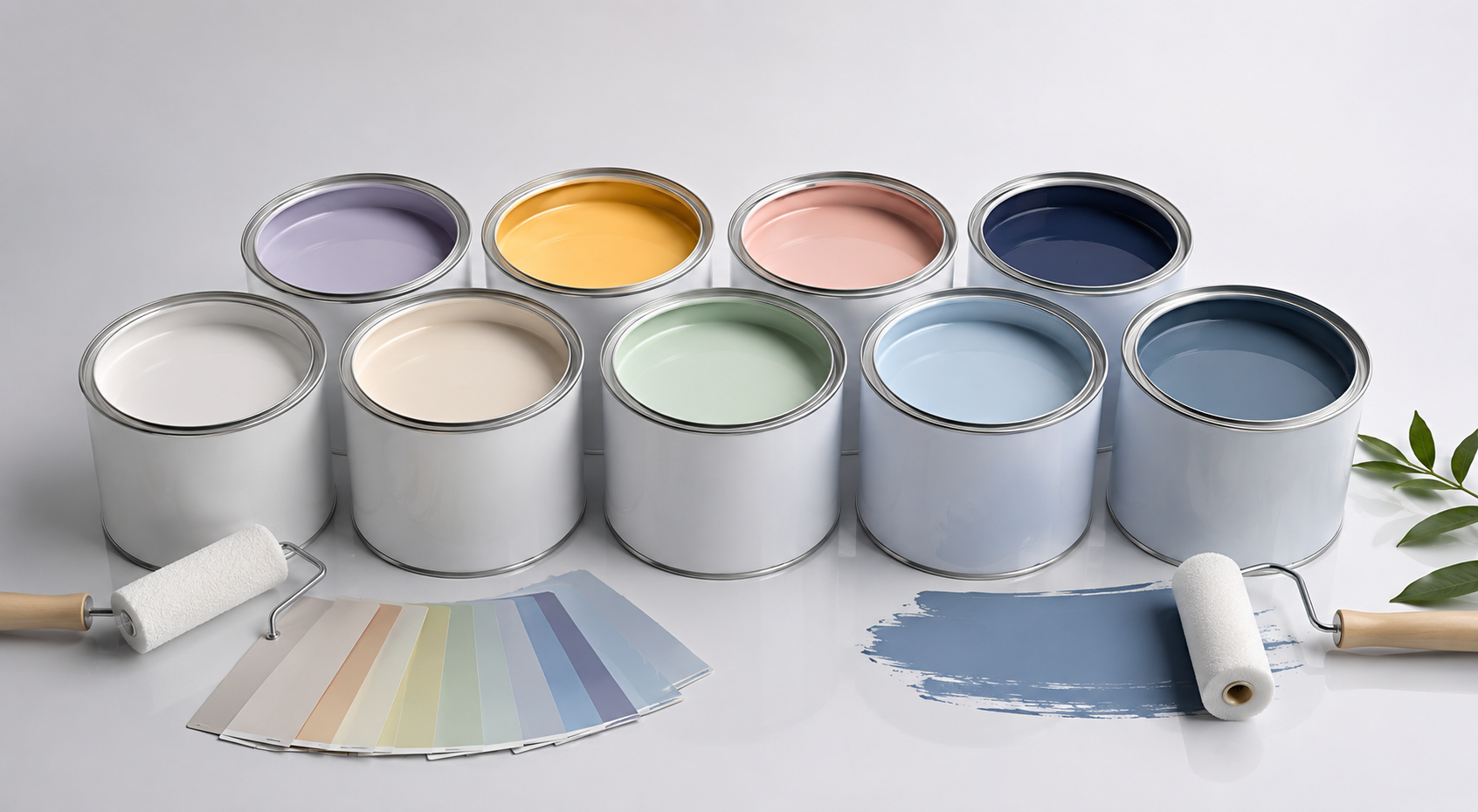
Manufacturers commonly use DMEA in interior wall paints, exterior wall paints, latex paints, and emulsion coatings. In these systems, DMEA helps improve stability and formulation performance.
Industrial Waterborne Coatings
Industrial coating producers also use DMEA in water-based systems to support stable production and reliable application performance.
Resin Systems
In addition, formulators use DMEA in acrylic resin neutralization and water-dispersible resin systems. Its compatibility with many resin formulations makes it a practical choice for coating manufacturers.
Specialty Coatings
Some specialty coatings also require stable pH control and strong dispersion performance. Therefore, manufacturers often include DMEA in these formulations as well.
Advantages of DMEA in Coatings
DMEA offers several important advantages for coating manufacturers:
- Efficient neutralization performance
- Good compatibility with resin systems
- Strong stability in waterborne formulations
- Suitable for low-VOC coating technologies
- Reliable storage and processing performance
- Wide application range in coating industries
Market Outlook
The global coating industry continues to invest in environmentally friendly technologies. Consequently, water-based coatings now occupy a larger share of the market.
At the same time, manufacturers continue to optimize coating formulations for better environmental performance and higher product quality. Therefore, DMEA remains an important raw material in modern coating production.
Moreover, growing demand in Asia, the Middle East, and emerging industrial markets continues to support the long-term growth of DMEA applications in coatings.
Conclusion
DMEA (Dimethylethanolamine, CAS 108-01-0) serves as an important additive in modern water-based coating systems. It supports resin neutralization, pH adjustment, dispersion stability, and application performance.
As the coating industry continues to develop environmentally friendly technologies, DMEA will remain a valuable material for waterborne coating formulations across many industrial applications.