
From Tap Water to Textiles: How Aluminium Sulphate Shapes Our World
Aluminium sulphate, often referred to as alum, is a chemical compound with the formula Al₂(SO₄)₃. While it may not be a household name, its impact on daily life is profound. From ensuring clean drinking water to aiding in industrial processes, aluminium sulphate is a silent workhorse in multiple sectors.
How Aluminium Sulphate Works in Water Treatment
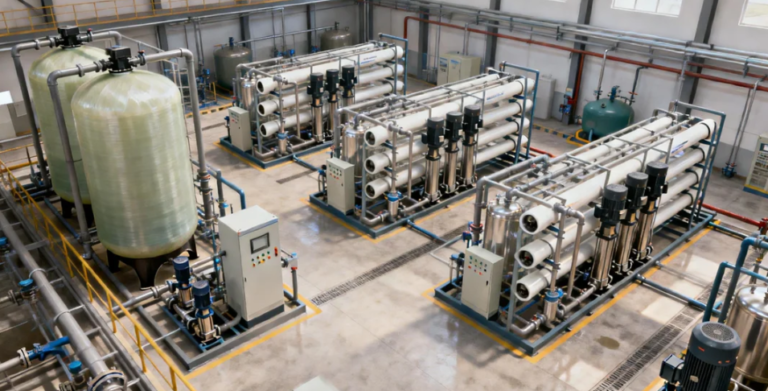
One of the most critical uses of it is in water purification. When added to water, it acts as a coagulant, binding with impurities and forming larger particles that can be easily filtered out.
-
Municipal Water Treatment: Many cities rely on it to remove contaminants, ensuring safe drinking water.
-
Wastewater Management: Industries use it to treat effluents before releasing them back into the environment.
For more on water treatment chemicals, check out this EPA guide on coagulation.
Industrial Applications Beyond Water Purification
While water treatment is a primary use, it has several other key applications:
-
Paper Manufacturing: It helps in sizing paper, improving ink absorption.
-
Textile Industry: Used as a mordant to fix dyes onto fabrics.
-
Gardening & Soil Treatment: Adjusts soil pH levels, benefiting plant growth.
Is Aluminium Sulphate Safe? Environmental Considerations
Like any chemical, proper handling is crucial. While it is generally safe in regulated amounts, excessive use can impact aquatic ecosystems. Companies must follow environmental guidelines to minimize risks.
For more on chemical safety, refer to OSHA’s guidelines.
Conclusion
Aluminium sulphate may not grab headlines, but its role in clean water, industrial processes, and agriculture is undeniable. As industries evolve, so do the sustainable practices surrounding its use.
By understanding its applications, businesses and consumers alike can appreciate this essential chemical compound—one that quietly supports modern life in countless ways.