
N-Hydroxyethyl Morpholine Application In-depth Analysis
N-hydroxyethyl morpholine CAS NO.:622-40-2, with its unique bifunctional structure (morpholine ring and hydroxyethyl group), has shown irreplaceable value in the following fields:
- Pharmaceutical field: from intermediates to intelligent delivery
Key intermediates for innovative drugs
Used to synthesize anti-tumor drugs (such as tyrosine kinase inhibitors) and antiviral compounds, simplify multi-step synthesis routes, and reduce impurity risks.
Case: As a chiral auxiliary in the synthesis of sitagliptin (diabetes drug), it improves the stereoselectivity of the reaction.
Core monomers for targeted drug delivery
Construction of pH/temperature responsive polymers (e.g. copolymerization with acrylic acid):
Precisely release drugs in the slightly acidic environment of tumors (pH 6.5-7.0), reducing toxicity to normal tissues (release efficiency >90%, verified by in vitro experiments).
The EPR effect (enhanced permeability retention effect) can be used to prolong the circulation time of nanocarriers and improve their bioavailability.
Recent research: Compounded with polylactic acid-glycolic acid (PLGA) to develop biodegradable sustained-release microspheres (drug loading of 15%-20%).
- Material Science: Balancing Environmental Protection and High Performance
The “Green Engine” of Water-Based Environmentally Friendly Coatings
As a crosslinker for waterborne polyurethane dispersions (PUDs), replacing traditional organotin catalysts:
Improve the water resistance (water absorption <5%) and wear resistance (Taber wear value ≤50mg/1000 times) of the coating.
It has passed environmental certifications such as EU REACH and US ASTM D-6903, helping companies meet VOC emission regulations.
Application scenarios: automotive primer, wood coatings, industrial anti-corrosion coatings.
Frontier Exploration of Biocompatible Materials
Participate in the synthesis of medical grade hydrogels:
Wound dressings (water retention up to 98%, antibacterial rate >85%) were prepared by cross-linking with polyvinyl alcohol (PVA) through hydrogen bonds.
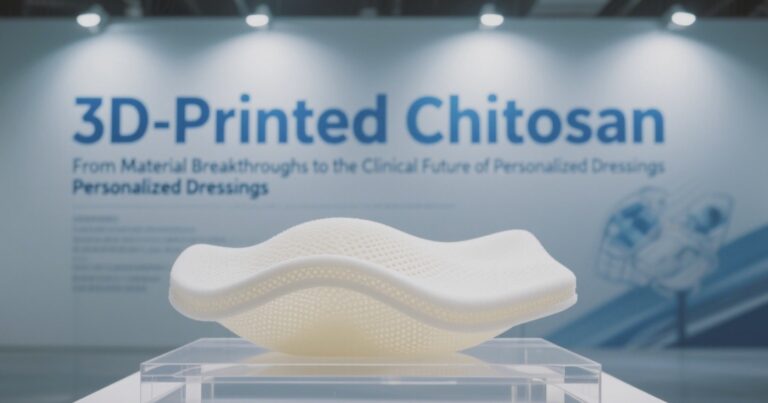
Adjust the porosity (adjustable from 100-500μm) in 3D printed bioscaffolds to promote cell adhesion and proliferation.
- Cross-border collaboration: new opportunities for technological integration
Agricultural controlled-release fertilizer coating materials:
It is combined with chitosan to form a pH-responsive membrane, which slowly releases nutrients under the action of soil microorganisms (the release period is extended by 2-3 times).
- Electronic chemical additives:
As a corrosion inhibitor in semiconductor polishing liquid, it can reduce the surface roughness of copper (Ra <1nm, verified by CMP process).
Summary of core advantages
|
Characteristics |
Medical value |
Material value |
| Dual reaction sites | Flexible modification of drug structure | Increase polymer crosslink density |
| Water soluble & low toxicity | Meets ICH Q3C residual solvent standards | Passed Ecotox aquatic toxicity test |
| Environmental responsiveness | Realizing intelligent drug controlled release | Developing self-healing/adaptive materials |
Whether you are developing the next generation of targeted anti-cancer drugs or designing zero-VOC industrial coatings, N-hydroxyethyl morpholine can provide a chemical innovation fulcrum for your formulation. Welcome to send us a private message to discuss cooperation and get free samples and technical papers.