Microencapsulated Red Phosphorus in PU Foam
Overview: Market Demand for Flame-Retardant Polyurethane Foam
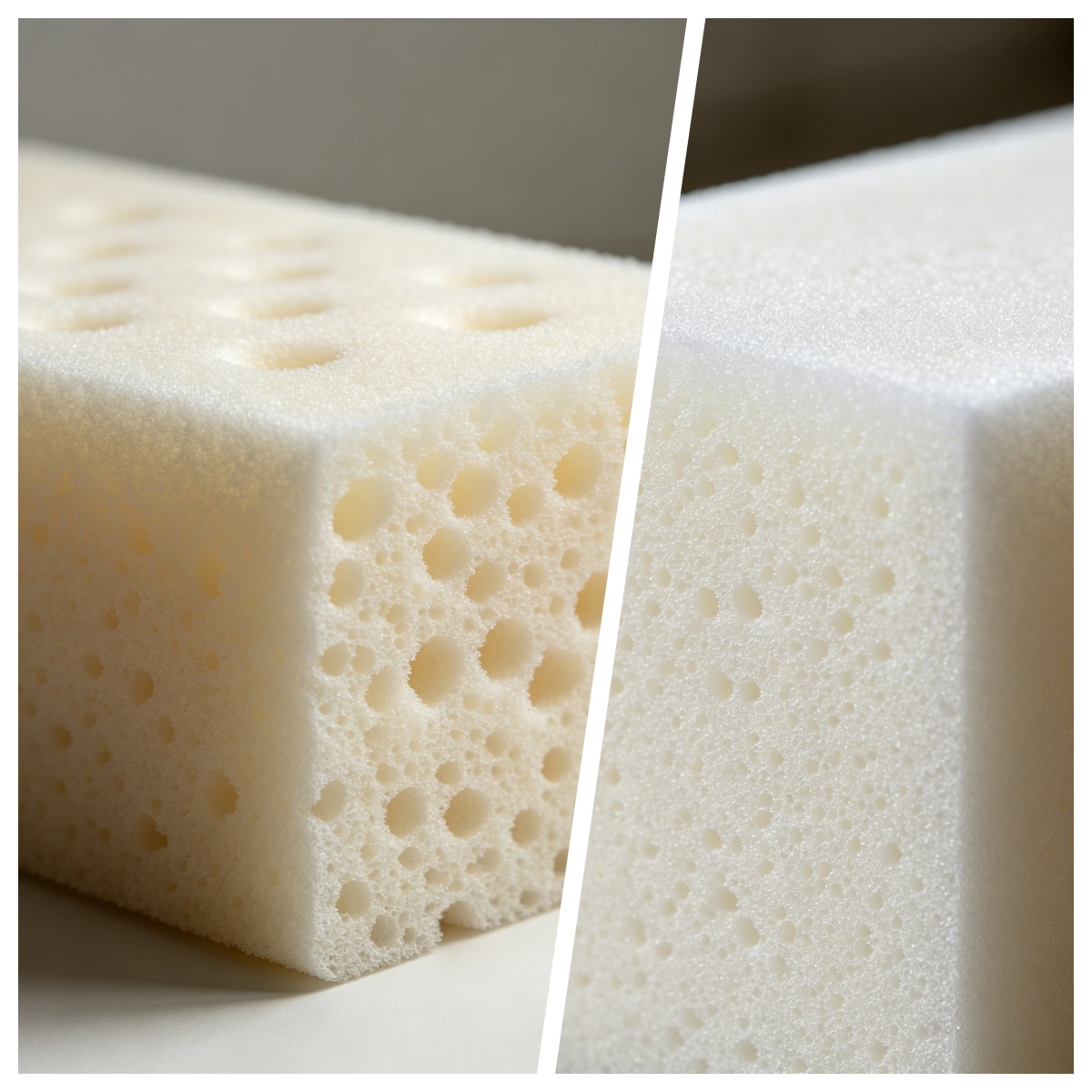
Polyurethane (PU) foam is a versatile polymer material widely applied in thermal insulation, automotive interiors, furniture padding, construction panels, and electronic packaging. Owing to its low density, excellent thermal insulation performance, good elasticity and easy processing, PU foam has become one of the most popular synthetic foam materials in modern industries.
As global fire safety regulations become increasingly strict, high-performance halogen-free flame retardants have become essential additives for upgraded PU foam products. In this industry trend, Microencapsulated Red Phosphorus (MRP) has become a premium phosphorus-based flame retardant specially developed for polyurethane foam modification.
Core Competitive Advantages of Microencapsulated Red Phosphorus
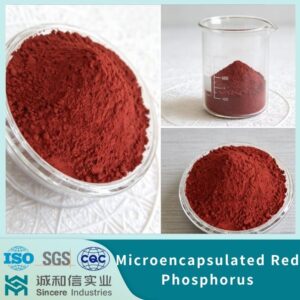
MRP possesses multiple irreplaceable advantages for PU foam manufacturing. Firstly, it is completely halogen-free and compliant with EU REACH and RoHS standards, producing low toxic smoke during combustion to meet environmental protection requirements.
Secondly, with high elemental phosphorus content, MRP can reach UL94 V-0 flame retardant grade with only 3wt%-8wt% addition dosage, without damaging the uniform pore structure of foam materials. Thirdly, the reinforced shell structure gives MRP outstanding thermal stability, enabling it to withstand the high-temperature foaming and curing process of polyurethane without decomposition.
Moreover, modified red phosphorus has good compatibility with PU matrix, which will not reduce the elasticity, toughness and thermal insulation performance of finished foam products.
In the future, with the optimization of microcapsule coating technology, microencapsulated red phosphorus will achieve lower volatility and higher dispersion, becoming the mainstream environmentally friendly flame retardant solution for the global polyurethane foam industry.