Beta-Caryophyllene
- Molecular Formula: C15H24
- Molecular Weight: 204.35
- CAS Number: 87-44-5
- Purity: Min 99%

Cosmetic raw materials are the backbone of transformative beauty solutions, merging cutting-edge science with eco-conscious principles. Among these, chitosan—a biopolymer derived from crustacean shells—stands out as a game-changer, offering unparalleled biocompatibility, antimicrobial properties, and environmental benefits. As the industry pivots toward sustainability and efficacy, chitosan and other advanced materials are redefining skincare, haircare, and product formulations.
Key Trends Shaping the Future of Cosmetic Ingredients
Clean Chemistry & Sustainable Sourcing
Consumers demand transparency, with 72% prioritizing biodegradable and non-toxic ingredients (Sustainable Beauty Coalition, 2025). Chitosan, a natural polymer, replaces synthetic thickeners and preservatives in creams and serums, aligning with EU’s Cosmetics Regulation (EC) No 1223/2009 and USDA Organic standards. Its biodegradability supports zero-waste initiatives Source: EU Cosmetics Regulation
Chitosan-Driven Skincare Innovations
Chitosan’s ability to enhance skin barrier function and retain moisture makes it ideal for sensitive and acne-prone skin. Combined with hyaluronic acid or niacinamide, it boosts hydration by 40% in clinical trials. The global chitosan market in cosmetics is projected to grow at 9.2% CAGR (2025–2030). Source: Grand View Research – Chitosan Market
3.Circular Economy & Waste Valorization
Upcycled marine waste (e.g., shrimp shells) into chitosan reduces reliance on finite resources. Brands like UpCircle and L’Oréal use chitosan-based films for biodegradable packaging, cutting plastic use by 30%. Source: Sustainable Packaging Coalition
4.Advanced Delivery Systems
Chitosan nanoparticles enable targeted delivery of vitamins and antioxidants, improving ingredient absorption by 50%. This aligns with the FDA’s focus on nanotechnology safety in cosmetics.Source: U.S. FDA Nanotechnology Guidelines
Regenerative Beauty & Ethical Sourcing
Chitosan sourced from certified fisheries supports marine ecosystem restoration. Partnerships with the Marine Stewardship Council (MSC) ensure traceable, cruelty-free supply chains.Source: MSC Certification
Showing 1–12 of 16 results
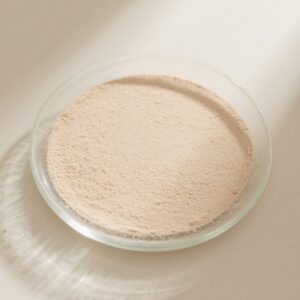
1.Molecular Formula: C20H37N3O14
2.Molecular Weight: 543.51948
3.CAS NO.: 83512-85-0
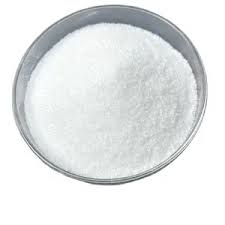


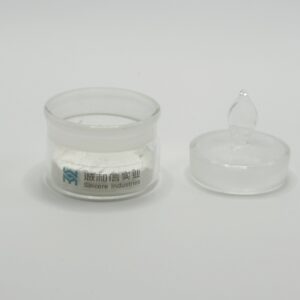
CAS No.: 123938-86-3
Degree of substitution: 85%
PH: 6.5~8.5
Viscosity (20℃, 1% aqueous solution) mpas: 40
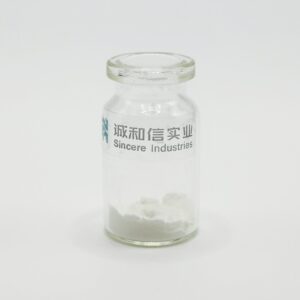
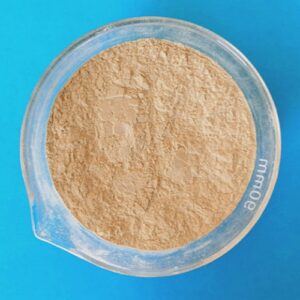
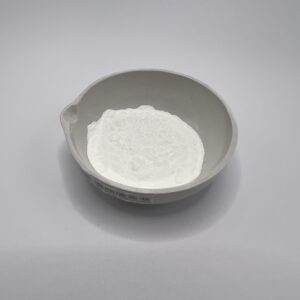
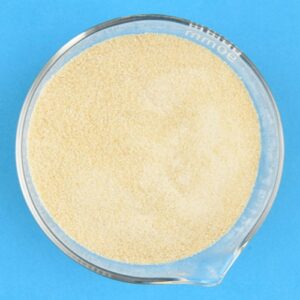
Appearance: light yellow solid.
© 2024 hnsincere.com All Rights Reserved.