Chitosan: A Natural Antimicrobial for Meat Preservation
What is Chitosan?
Chitosan, also known as deacetylated chitin, is the second most abundant biopolymer in nature after cellulose. It is primarily found in the shells of shrimp, crabs, and insects, as well as in fungi and algae cell walls. With an estimated annual biosynthesis of over one billion tons, it is one of the largest renewable resources available for sustainable applications.
Given its abundance in nature and renewable origin, chitosan has attracted increasing attention as a safe and sustainable alternative to synthetic preservatives. Beyond its well-documented antimicrobial properties, researchers have explored its direct application in foods and its incorporation into packaging systems. Following cases highlight the versatility of chitosan in food preservation, particularly in extending the shelf life of perishable products such as meat and seafood.
Applications in Food Preservation
1. Meat Products
-
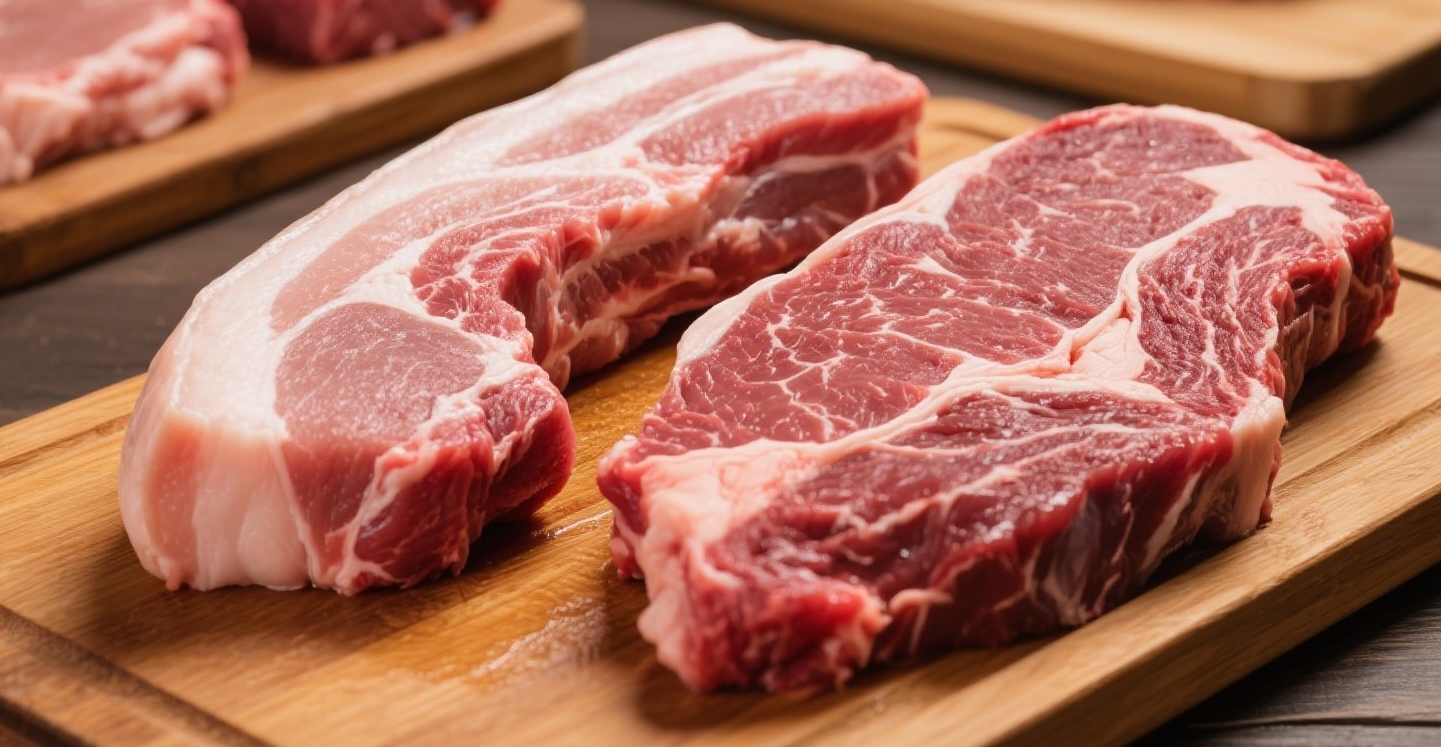
Research shows that treating chilled pork with 1% chitosan and 2% acetic acid significantly reduces microbial counts and extends shelf life by several days at both 10°C and 20°C.
-
Higher degrees of deacetylation and greater chitosan concentrations correlate with stronger preservation effects. For example, 1.5% chitosan in 1% acetic acid solution extended pork shelf life to 6 days, while 2.5% water-soluble chitosan provided up to 5 days of preservation.
-
Chitosan and its oligomers combined with ethanol, vitamin E, and lysozyme have also been shown to reduce microbial growth in beef.
-
Low-molecular-weight chitosan demonstrated superior effectiveness in preserving fish (e.g., mackerel, yellow croaker) and shrimp compared to conventional preservatives such as phytic acid and sodium bisulfite.
2. Food Packaging Materials
-
Incorporating chitosan into resins to form food containers can inhibit the growth of lactic acid bacteria, thus extending storage time.
-
Nonwoven fabrics impregnated with chitosan lactic acid solutions serve as antimicrobial packaging materials, effectively suppressing the growth of S. aureus and E. coli in meat and fish.
Antimicrobial Mechanisms of Chitosan
Chitosan and its derivatives exhibit broad-spectrum antimicrobial activity against bacteria, yeasts, and fungi. Although the exact mechanisms are still under investigation, several theories have been proposed:
-
Electrostatic interaction: Positively charged chitosan molecules bind to negatively charged microbial cell membranes, causing leakage of intracellular proteins and other components.
-
Metal chelation: Chitosan selectively binds essential trace metals, thereby inhibiting microbial growth and toxin production.
-
Host defense activation: Chitosan can enhance host tissue defense, act as a moisture retainer, and suppress enzyme activity.
-
DNA binding: By penetrating microbial cells and binding to DNA, chitosan can inhibit mRNA transcription and protein synthesis.
-
pH dependency: At pH below 6, chitosan shows higher solubility and stronger antimicrobial effects compared to chitin.
Conclusion
Chitosan is emerging as a natural, safe, and effective solution for extending the shelf life of perishable foods. Its ability to inhibit a wide range of microorganisms, combined with versatility in direct application and packaging technologies, makes it a promising candidate for the future of sustainable food preservation.