
Ionic Liquids for Polyurethane

Ionic Liquids for Polyurethane: Boosting Conductivity Without Property Loss

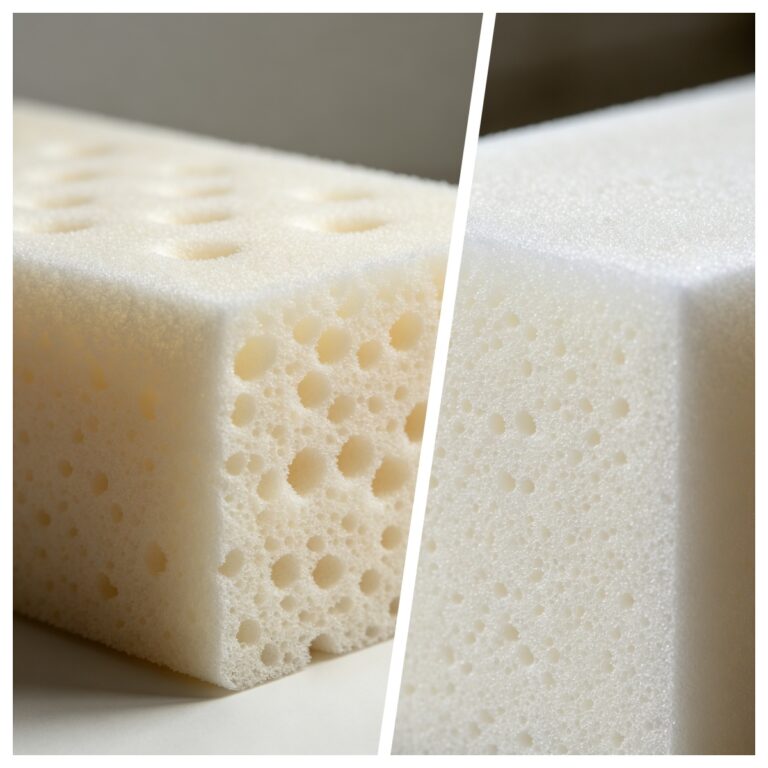
Ionic Liquids for Polyurethane (specifically EMIM dca, CAS 370865-89-7) are revolutionizing the way R&D engineers approach static control. In high-end furniture and electronics packaging, achieving stable conductivity without damaging the foam’s cell structure is a common challenge. Unlike traditional surfactants, these advanced liquids offer a “zero-migration” solution. Why Traditional Additives Fail vs. Ionic Liquids  Many…

APP

Si-APP: Flame Retardant in the Electrical Industry

Introduction: Si-APP as a Halogen-Free Flame Retardant Alternative The electronics and electrical industry demands materials that balance high performance, safety, and environmental compliance. Traditional halogenated flame retardants, while effective, face increasing regulatory restrictions due to toxic emissions and persistence in the environment. Silane-coated ammonium polyphosphate emerges as a superior halogen-free alternative, addressing critical challenges associated…

PC

Propylene Carbonate (PC): Your Trusted Partner for High-Purity Solvent Solutions

Product Overview Propylene Carbonate (PC) , with CAS number 108-32-7 and molecular formula C₄H₆O₃, is a high-purity, low-toxicity organic solvent widely recognized across the chemical industry for its exceptional solvency and thermal stability. As a key intermediate in modern manufacturing, Propylene Carbonate serves industries ranging from energy storage to industrial coatings. Its combination of high polarity, low volatility,…

APP

Silane-Coated Ammonium Polyphosphate in Flexible Foam Industry

Silane-coated ammonium polyphosphate (Silane‑coated APP) has become the go‑to halogen‑free flame retardant for flexible polyurethane foam, delivering superior fire safety, processability, and foam performance across global brands. Its silane surface modification solves critical challenges like poor compatibility, migration, and hydrolysis—making it ideal for automotive, furniture, bedding, and construction foam applications. 1. Automotive Foam: Meeting Strict…

APP

Silane-Coated Ammonium Polyphosphate in Polymer Materials

1. Synergistic Flame Retardant Mechanism of the Composite System Silane-coated ammonium polyphosphate (APP) acts as a solid intumescent flame retardant, which mainly exerts a flame retardant effect in the condensed phase by forming a dense carbon layer to block heat and oxygen. Liquid flame retardants (mostly phosphorus-based and organosilicon liquid reagents) play a flame retardant…

Phenol

Phenol: A Fundamental Building Block in Modern Chemistry

Introduction Few chemical intermediates can match the versatility and industrial significance of phenol. Known scientifically as hydroxybenzene or carbolic acid, this aromatic compound plays an essential role across manufacturing sectors. From automotive and construction to healthcare and agriculture, phenol helps shape the materials we use every day. Understanding its properties, applications, and market dynamics offers…

Ferric chloride

Ferric Chloride Uses, Properties, Water Treatment Applications & Supply

What Is Ferric Chloride? Ferric chloride, also called iron(III) chloride, is an important inorganic chemical. Industries widely use it in water treatment, electronics etching, wastewater purification, and other industrial processes. Its chemical formula is FeCl₃. Suppliers provide it as solid ferric chloride or as a liquid solution. As a highly effective coagulant and etching agent,…

Stearic acid

Stearic Acid in Sunscreen Cosmetics

1. An Overview of Stearic Acid: A Fundamental Cosmetic Raw Material Stearic acid is a saturated long-chain fatty acid, mainly extracted from natural fats and synthetic industrial raw materials, and is a widely used auxiliary ingredient in cosmetic formulations. It is not a direct UV-filtering active ingredient, but a multifunctional additive with stable chemical properties,…

Winemaking

Chitosan in Winemaking: A Natural Solution for Clarity, Stability & Quality

In modern winemaking, achieving clarity, stability, and microbial control—while maintaining a clean-label approach—has become increasingly important. One natural ingredient gaining attention is chitosan, a unique biopolymer derived from renewable sources. Unlike most wine components (such as proteins, pectin, and tannins) that carry negative charges, chitosan becomes positively charged in acidic conditions. This allows it to…

TOFA

Tall Oil Fatty Acid as Ink Resin Modifier and Drier

Introduction Tall Oil Fatty Acid (TOFA), a renewable byproduct of wood pulping, is widely regarded as a high-value functional additive for printing inks. Unlike petroleum-based fatty acids, TOFA contains a balanced mix of long-chain fatty acids and rosin acids, making it highly compatible with conventional ink resins such as alkyd, rosin ester, and phenolic resins….