Ammonium Polyphosphate (APP): From Flame Retardants to Fertilizers
Ammonium Polyphosphate (APP) is an inorganic polymer formed by the polymerization of phosphoric acid and ammonia. Its chemical structure imparts excellent thermal stability and flame-retardant properties.
Depending on the degree of polymerization and physical form, It is categorized into different types or grades, such as the common APP I and APP II. Different grades of APP vary in solubility, water dispersibility, thermal stability, and processing compatibility, making them suitable for diverse applications.
Flame Retardant
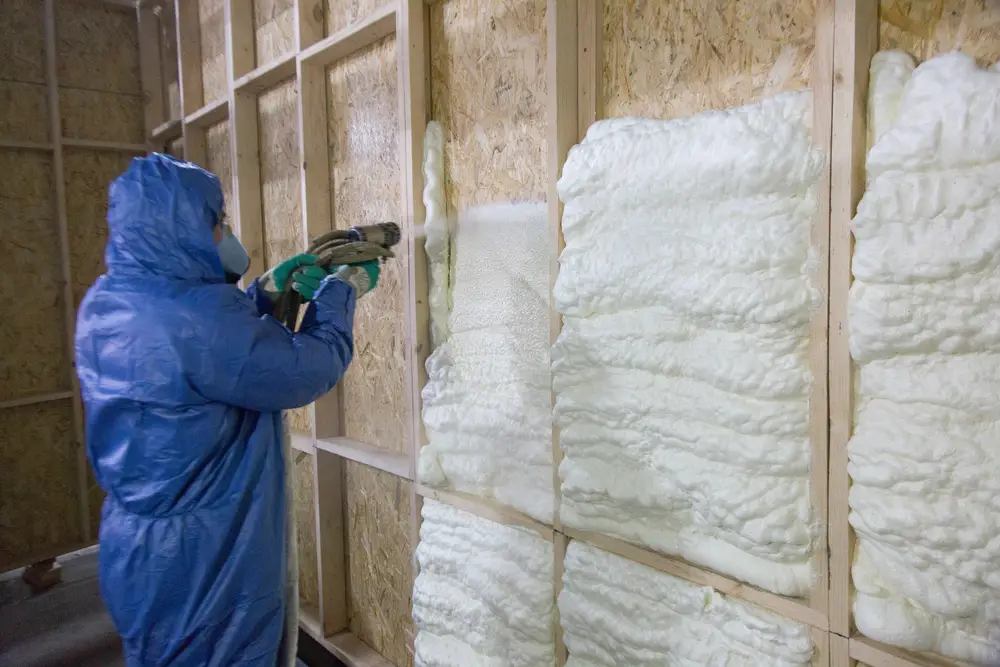
Ammonium polyphosphate is a highly effective halogen-free flame retardant, widely used in materials such as plastics, polymers (e.g., polyolefins), polyurethane, unsaturated polyester, epoxy resins, various coatings, and other coating systems.
When exposed to heat, APP intumesces and forms a protective char layer, which insulates the underlying material from heat and oxygen. Thereby effectively inhibiting flame spread—this is known as the intumescent flame retardant mechanism.
Driven by increasingly stringent global safety and environmental regulations in industries such as construction, appliances, automotive, and electronics (e.g., the phase out of halogen-based flame retardants and the promotion of halogen free systems), APP—as a “halogen free, low toxicity, low smoke” flame retardant—has seen steadily growing demand.
Fertilizer
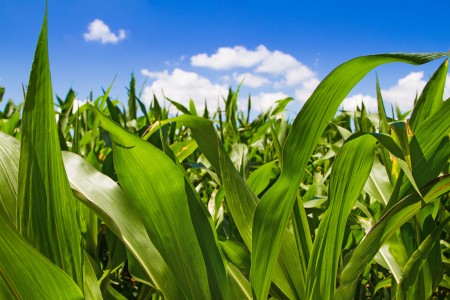
APP also serves as a phosphorus–nitrogen compound fertilizer (controlled release phosphate fertilizer / liquid fertilizer / water soluble fertilizer). Especially for modern agricultural practices such as precision agriculture, drip/irrigation systems, and foliar application. Its water solubility/controlled release properties enable plants to absorb phosphorus (P) and nitrogen (N) with high efficiency, thereby improving fertilizer use efficiency.
- Slow Release Characteristics: APP hydrolyzes gradually, releasing phosphorus and nitrogen in a sustained manner, which reduces nutrient loss and enhances utilization.
- Advantages: It minimizes soil fixation (particularly beneficial in phosphorus deficient soils), lowers fertilization frequency, and avoids root burn.
Types: Low polymerization degree APP (with higher water solubility) is more commonly used.
Market Growth Drivers & Challenges
Key factors driving market growth include:
- Increasingly stringent regulations and standards across more countries and regions promoting halogen free, environmentally friendly, and low toxicity flame retardants;
- The advancement of agricultural modernization and the rising demand for high efficiency fertilizers (especially water soluble/controlled release phosphate fertilizers);
- as well as growing needs for fire resistant and safety critical materials in construction, electronics, automotive, and other sectors driven by industrialization and urbanization.