Eucalyptus Oil: A Natural Freshness from the Australian Forest
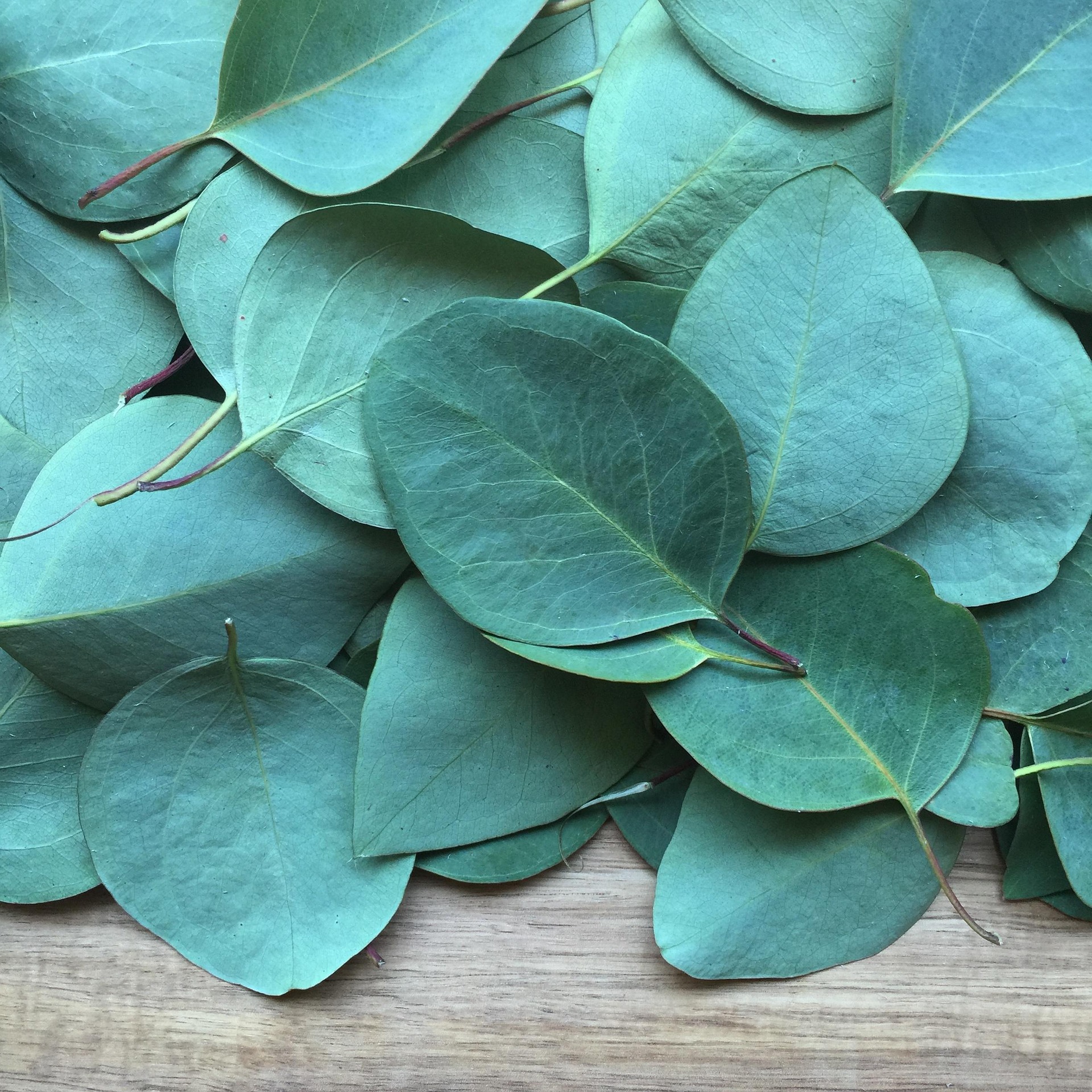
Eucalyptus oil, also known as eucalyptus essential oil, is a natural plant oil extracted from eucalyptus leaves. When people think of eucalyptus trees, they often associate them with Australia and koalas, as eucalyptus leaves are one of the koala’s primary food sources. However, beyond its ecological significance, eucalyptus has also been valued in traditional wellness practices for centuries.
Long before modern extraction methods existed, Australian Aboriginal communities were already using eucalyptus leaves for wound care and daily herbal remedies. There is also a well-known story about the early discovery of eucalyptus oil: it is said that a British settler in Australia nearly severed his thumb in an accident with an axe. After the wound was stitched, crushed eucalyptus leaves were wrapped around it following local indigenous practices. When he later visited a surgeon, the wound had healed remarkably well, and most importantly, no infection had occurred. The story spread quickly and encouraged pharmacists and researchers to explore the value of eucalyptus more seriously. In 1852, the first batch of eucalyptus essential oil was commercially distilled and introduced to the market. Today, it has become one of the world’s most widely used essential oils, commonly found in aromatherapy, massage products, respiratory blends, and household care products.
What Is Eucalyptus Oil?
Eucalyptus oil is usually extracted through steam distillation from eucalyptus leaves. It belongs to the Myrtaceae plant family and is known for its fresh, clean, and slightly woody aroma. In aromatherapy, it blends well with many other essential oils, including peppermint, lavender, rosemary, tea tree, cedarwood, and lemongrass. Because of its refreshing scent, it is frequently used in diffuser blends and wellness products.
One of the most important compounds in it is 1,8-cineole, also known as eucalyptol. This natural compound is responsible for the cooling and refreshing sensation associated with it. While 1,8-cineole can also be found in plants such as peppermint and ginger, eucalyptus typically contains the highest concentration.
To date, more than a thousand studies have explored its major active compounds, particularly in the fields of aromatic and botanical applications.
Different Types of Eucalyptus Oil
The most common eucalyptus oils come from two species: Eucalyptus globulus and Eucalyptus radiata.
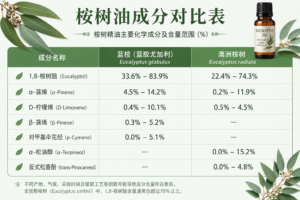
Eucalyptus globulus generally contains a higher percentage of 1,8-cineole, giving it a stronger and more cooling aroma. It is commonly used in respiratory blends and vapor products.
Eucalyptus radiata has a softer and smoother scent profile, making it popular for daily diffusion and gentle aromatic applications.
Another species, Eucalyptus smithii, is also known for its high 1,8-cineole content, often exceeding 70%, and is widely appreciated in high-purity eucalyptus oil products.
The final aroma and composition of eucalyptus oil can vary depending on species, climate, growing conditions, and extraction methods.
Why Is It So Popular?
One of the reasons eucalyptus oil remains so popular is its unmistakable sense of freshness.
Many people enjoy diffusing it during seasonal changes or in dry weather because its cool and clean aroma creates a refreshing atmosphere. Steam inhalation with eucalyptus oil is especially popular during colder seasons, helping create a comforting breathing environment. It is also frequently added to chest massage oils and wellness balms. It is commonly blended with carrier oils such as sweet almond oil or coconut oil, along with peppermint oil, for relaxing massage applications.
In lip care products, it is sometimes combined with tea tree oil in botanical formulations, and its refreshing scent has made it a familiar ingredient in many herbal balms.
Everyday Uses of Eucalyptus Oil
Today, eucalyptus oil is used far beyond aromatherapy. It can be found in air sprays, candles, shampoos, massage oils, cleaning products, and many home fragrance items. People often appreciate it because it provides a clean and natural scent that feels lighter and fresher than overly sweet floral fragrances or heavy woody notes. Its forest-like freshness has made it increasingly popular in modern natural lifestyle products.
Although eucalyptus oil is naturally derived, it is still highly concentrated and should be used carefully. Direct application of undiluted essential oil on large areas of skin is generally not recommended. It is best diluted with a carrier oil before topical use. Contact with the eyes and sensitive areas should also be avoided. For infants, pregnant individuals, or those sensitive to strong aromatic compounds, professional advice is recommended before use.
Final Thoughts
From the forests of Australia to modern wellness products around the world, eucalyptus oil has maintained its popularity for more than a century. Its refreshing aroma, unique botanical properties, and versatile applications have made it one of the most recognizable essential oils in daily life. Whether used in diffusion, steam inhalation, or personal care products, eucalyptus oil continues to bring a natural sense of freshness and comfort to people around the world.