Unlocking the Potential of Glycerol: From Biofuels to Beauty – The Versatile Chemistry Behind This Essential Compound
ByLily Li
Glycerol, a colorless, odorless liquid with a syrupy texture, has quietly become a cornerstone of modern industry. It comes from both natural sources like vegetable oils and synthetic processes, and this versatile compound is revolutionizing sectors as diverse as energy, healthcare, and personal care. In 2025, glycerol’s role is expanding further, as sustainability mandates and technological innovation drive its growth.
Glycerol in Biofuel Production: A Sustainable Revolution
As the world shifts toward renewable energy, glycerol has emerged as a critical byproduct of biodiesel manufacturing. For every gallon of biodiesel produced, manufacturers generate approximately 0.3 kg of crude glycerol . This surplus has spurred investments in refining technologies, which transform crude glycerol into high-purity grades suitable for pharmaceuticals and cosmetics. Experts project U.S. biodiesel output to reach 1.3 million barrels per day by 2035, creating vast opportunities for value-added applications . Sourcing glycerol from certified sustainable feedstocks has become a key focus for aligning with global decarbonization goals.
Cosmetics and Personal Care: The Secret to Hydrated Skin
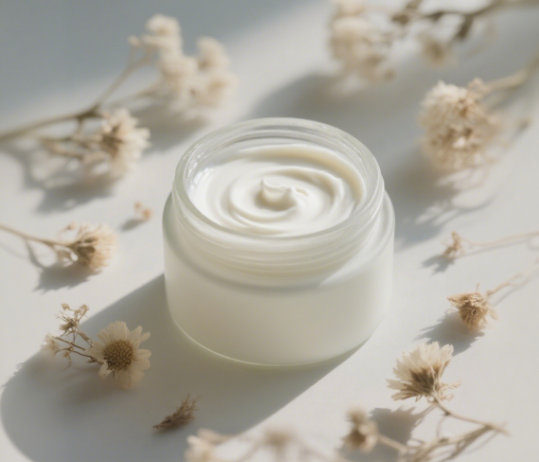
Glycerol’s hygroscopic properties make it a staple in skincare formulations. It attracts moisture, locking it into the skin to prevent dryness—a quality cherished in moisturizers, shampoos, and even shaving creams . With consumers increasingly favoring plant-based ingredients, glycerol derived from palm-free and sustainable sources is gaining traction. The personal care segment will grow at a 5.2% CAGR through 2030, driven by demand for clean-label products . For instance, researchers are developing glycerol-based hydrogels for frost-resistant cosmetics, which maintain efficacy even in extreme temperatures .
Food and Pharmaceuticals: Enhancing Safety and Functionality
In the food industry, manufacturers use glycerol as a low-calorie sweetener and preservative, particularly in diabetic-friendly products and baked goods. Its water-retention properties help extend shelf life while improving texture . In pharmaceuticals, manufacturers use high-purity glycerol in cough syrups, ointments, and even as a carrier for drug delivery systems. However, recent studies highlight the importance of safe usage, such as avoiding excessive consumption in children’s beverages to prevent metabolic complications .
Navigating 2025’s Regulatory Landscape
The EU’s proposed expansion of the Deforestation Regulation (EU DR) to include glycerol derivatives underscores the industry’s shift toward accountability. By 2025, manufacturers must ensure their glycerol supply chains remain free of deforestation, aligning with stricter environmental standards . Traceable sourcing and partnerships with certified producers have become essential for compliance and transparency.
Industrial Applications: Beyond Traditional Uses
Glycerol’s adaptability extends to industrial sectors. It acts as an antifreeze in automotive coolants, a solvent in paints, and a precursor for biodegradable polymers. Recent research explores its role in hydrodeoxygenation reactions to produce propanediol, a key ingredient in plastics and adhesives . This innovation highlights glycerol’s potential to replace fossil fuel-derived chemicals, furthering the circular economy.
Why Glycerol Matters for Sustainable Chemistry
Glycerol’s dual nature—both a renewable resource and a versatile chemical—positions it as a leader in green chemistry. Its production from biodiesel reduces waste, while its applications in eco-friendly products align with global sustainability goals. As industries prioritize circularity, glycerol’s role will only grow, making it a strategic choice for forward-thinking manufacturers.