Microencapsulated Red Phosphorus for New Energy Battery
Basic Properties and Technical Optimization of Microencapsulated Red Phosphorus
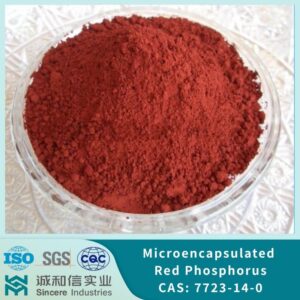
Microencapsulated red phosphorus (MRP) is a high-performance halogen-free flame retardant. It is specially optimized for new energy battery plastics. However, raw red phosphorus has obvious flaws. It absorbs moisture, lacks thermal stability, poorly mixes with polymers and releases phosphine gas. These weaknesses limit its use in lithium-ion battery components. Therefore, professional microencapsulation solves such problems. It adopts composite shells of melamine formaldehyde resin and aluminum hydroxide. Furthermore, MRP gains stable chemical properties and high thermal resistance. It disperses evenly in plastic matrices. Thus, it becomes a reliable additive fornew energy battery plastic modification.
Core Flame Retardant Mechanism in Battery Plastic Applications
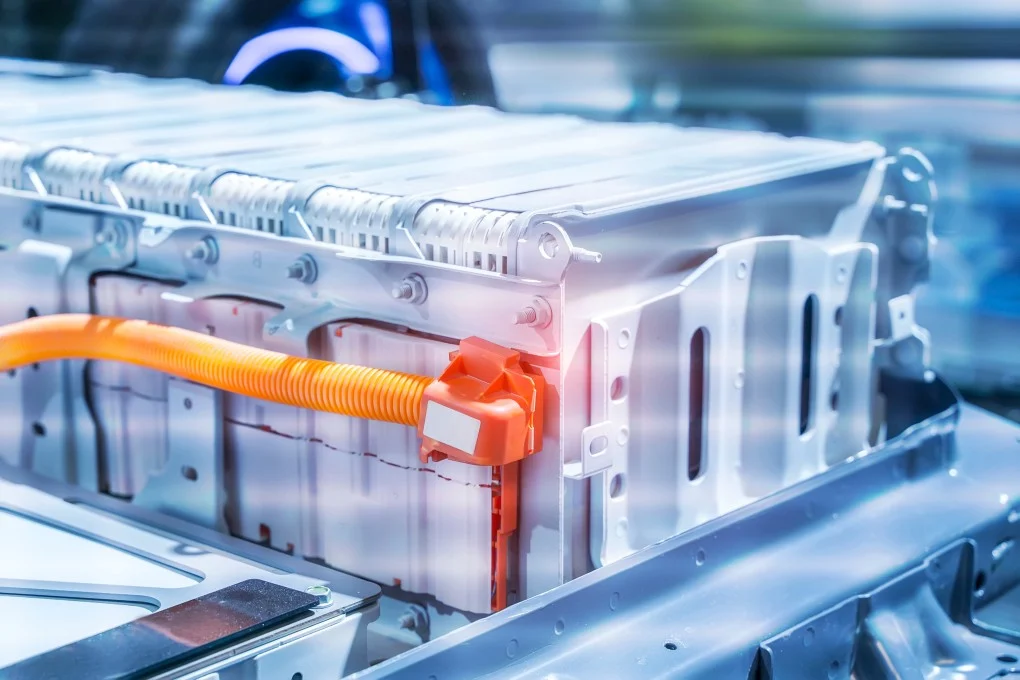
MRP is widely applied in modified engineering plastics. Typical products include new energy battery housings, modules, insulators and connectors. It acts as a key material for battery thermal runaway prevention. When the temperature exceeds 280°C, the microcapsule shell breaks. Then, active red phosphorus releases to form a dense ceramic char layer. This layer effectively isolates oxygen and heat. In addition, it cuts off combustion chain reactions. Accordingly, it suppresses battery fire spread and thermal runaway. Generally, 8%–15% MRP is added to PA6, PP, PBT and PC/ABS. In this way, plastics reach the stable UL94 V-0 flame retardant rating and meet CTI ≥600V and GWIT ≥750°C standards.
Comprehensive Performance and Application Advantages of MRP
Microencapsulated red phosphorus (MRP) outperforms conventional halogen-based flame retardants. Firstly, it is an eco-friendly halogen-free material. It produces low-smoke and non-toxic combustion byproducts, so it complies with global safety regulations. Secondly, it contains high-purity phosphorus. For this reason, it maintains high flame retardancy at low addition amounts. Besides, it barely damages plastic mechanical performance. Moreover, MRP fits polymer substrates perfectly. No surface blooming or cracking occurs during high-temperature molding. Ultimately, it suits mass production of precision new energy battery plastic parts.
Market Application Status and Technical Iteration Progress
The new energy industry booms rapidly, including electric vehicles and energy storage. Consequently, the demand for MRP-modified flame retardant battery plastics keeps rising. At present, over 65% of domestic electric vehicle battery packs use MRP plastics for insulation and structure. Manufacturers often mix MRP with magnesium hydroxide and zinc oxide. This method further improves flame retardancy and mechanical strength. Meanwhile, nano-coating technologies continue to upgrade. Hence, MRP gains better moisture resistance and aging resistance. Finally, it adapts to extreme-condition lithium-ion battery systems.
Industry Value and Future Development Prospects
Microencapsulated red phosphorus (MRP) is an essential functional material for new energy battery plastics. In fact, it overcomes many bottlenecks of traditional flame retardants. It balances flame retardancy, environmental performance and processing property. As a result, it meets upgraded lithium battery safety standards. In the future, battery technologies will keep iterating. Meanwhile, industry safety rules will become stricter. Therefore, high-performance MRP materials will have broader market space. Ultimately, it supports the sustainable development of the global new energy industry.