Lysine — A Cornerstone of Animal Nutrition and Performance
In modern livestock production, precision nutrition plays a decisive role in improving growth efficiency, feed conversion, and overall animal health. Among the essential amino acids, Lysine (L-lysine) stands out as one of the most critical — often referred to as the first limiting amino acid in animal diets.
1. Supporting Protein Synthesis and Muscle Development
Lysine is indispensable for protein synthesis, forming key structural proteins such as serum proteins, pepsin, and collagen. Adequate lysine intake directly influences muscle growth, tissue repair, and metabolic efficiency.
For monogastric animals such as pigs and poultry, even a slight deficiency in lysine can restrict growth performance, regardless of other nutrients being sufficient. Supplementing lysine in feed helps improve average daily gain (ADG), feed conversion ratio (FCR), and overall production efficiency.
2. Regulating Fat Metabolism and Energy Balance
Beyond its structural role, lysine serves as a precursor to L-carnitine, a compound essential for fatty acid oxidation within the mitochondria. This function helps promote lipid metabolism, reduce fat accumulation, and support energy utilization — particularly important in intensive production systems where metabolic efficiency determines productivity.
Consistent lysine supplementation has been shown to improve carcass quality, optimize lean meat ratio, and enhance the animal’s physiological resilience.
3. Enhancing Mineral Absorption and Skeletal Health
Lysine contributes to calcium, iron, and phosphorus absorption by forming soluble chelates, thus facilitating mineral bioavailability. It also promotes collagen synthesis, supporting bone strength and connective tissue integrity.
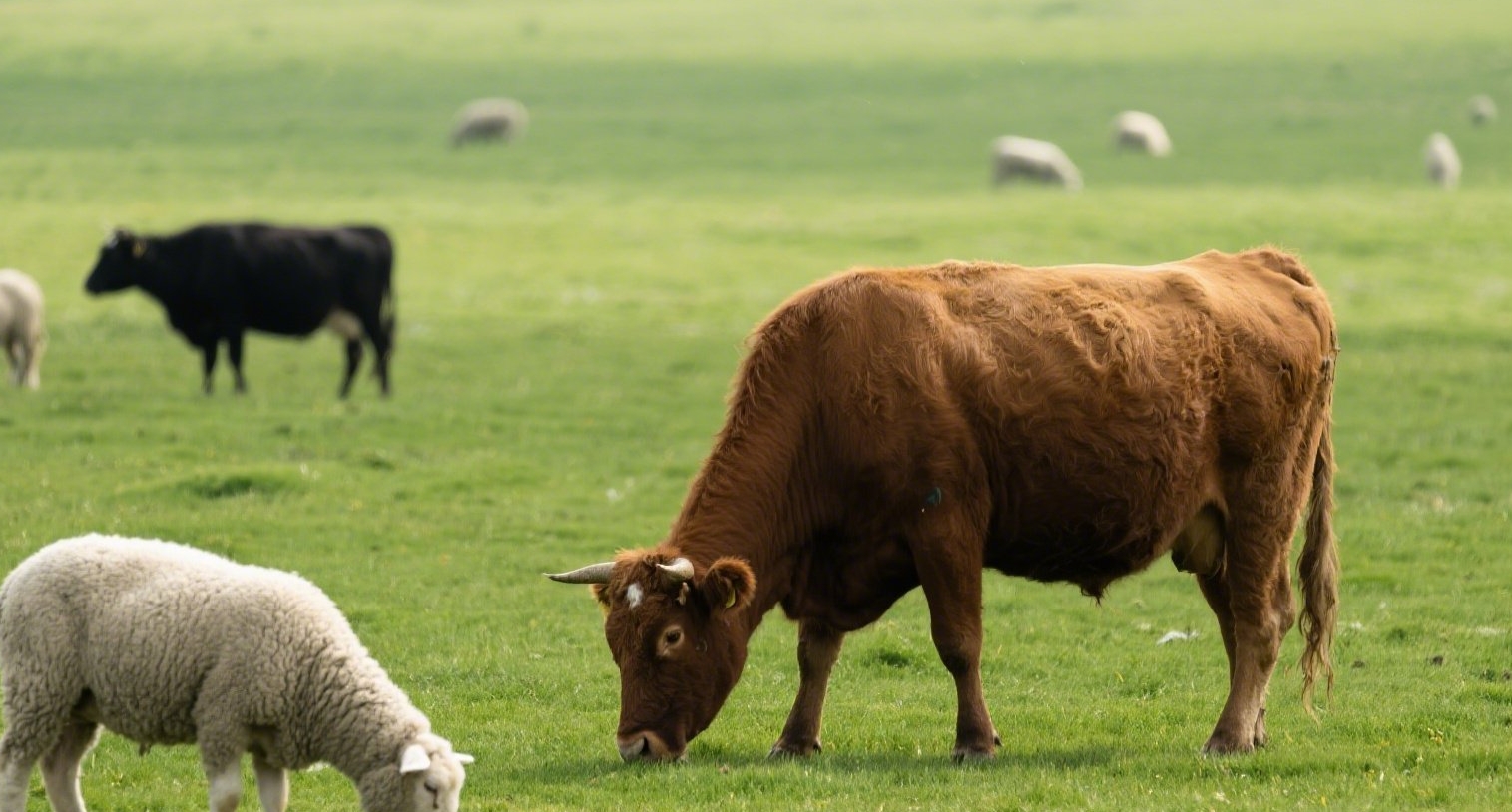
In young animals such as lambs and calves, adequate lysine intake is crucial for healthy skeletal growth and joint development — laying the foundation for long-term performance.
4. Smart Supplementation Strategies in Ruminant and Monogastric Nutrition
In low-protein or soybean meal–reduced diets, lysine and methionine supplementation becomes essential to maintain balanced amino acid profiles.
-
Young ruminants (lambs, calves): Lysine can be efficiently supplied in salt form.
-
Adult ruminants: Using rumen-protected lysine is highly recommended, as it ensures the amino acid bypasses rumen degradation and reaches the small intestine for effective absorption.
This strategic supplementation not only enhances growth performance but also supports cost-effective feed formulation and environmental sustainability by reducing excess nitrogen excretion.
5. High-Quality Lysine for Efficient and Sustainable Livestock Production
Selecting a high-purity, stable lysine source is critical to achieving consistent performance outcomes. Our feed-grade lysine products are designed to deliver:
-
Excellent solubility and stability in feed systems
-
High bioavailability for maximum nutritional efficiency
-
Compatibility with diverse feed formulations across species
With our advanced production and quality control systems, we aim to provide reliable amino acid solutions that help livestock producers improve feed efficiency, animal health, and profitability — sustainably.