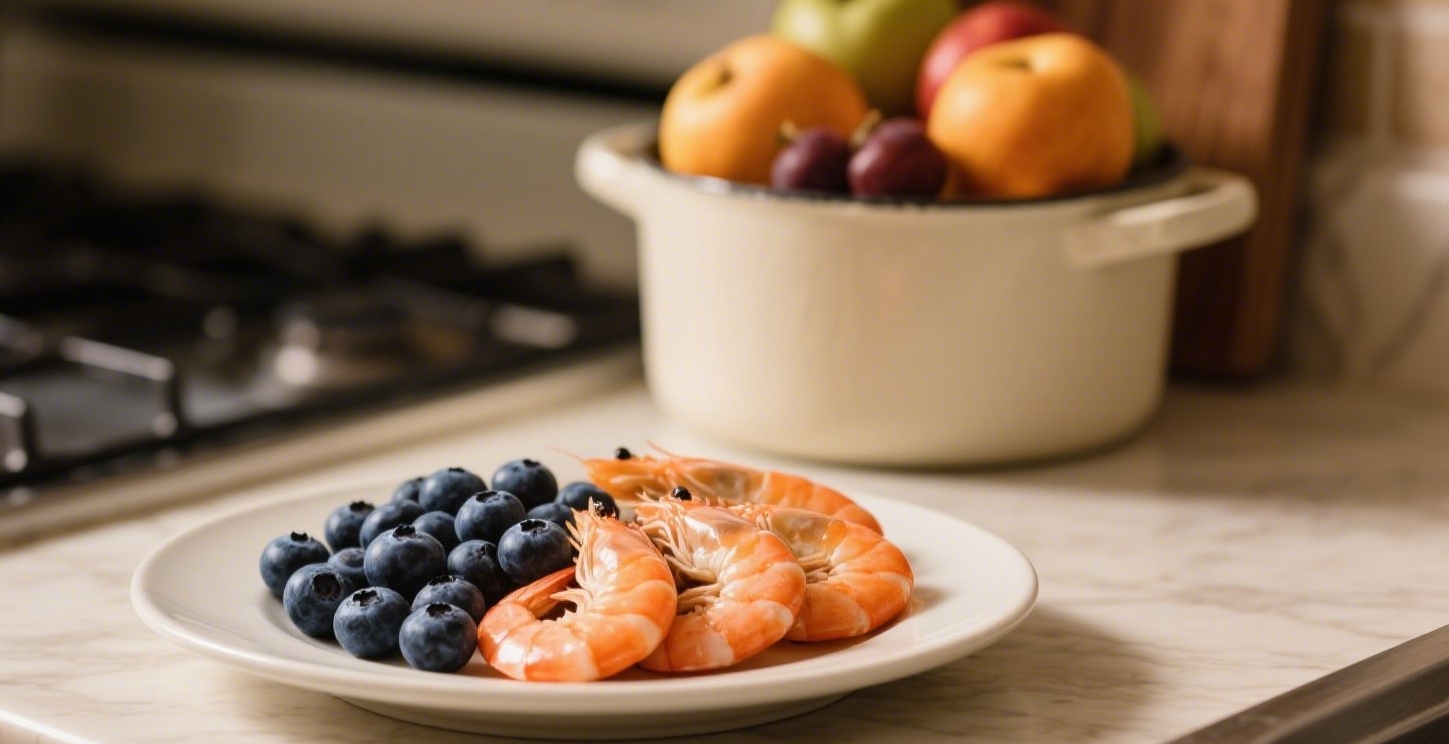
From Shrimp Shells to Fresh Blueberries: The Secret of Chitosan-Based Packaging
The Plastic Problem: A Call for Sustainable Alternatives
Plastic pollution has become one of the most pressing global environmental issues. Traditional petroleum-based plastics, while convenient, take centuries to degrade and cause long-term ecological damage. In response, researchers have been exploring natural, biodegradable materials that can replace conventional plastics — and one remarkable solution comes from an unexpected source: shrimp shells.
Chitosan — A Biopolymer from Nature
Chitosan, a biopolymer derived from chitin found in shrimp and crab shells, has gained increasing attention in the field of sustainable food packaging. It is biodegradable, biocompatible, and naturally antimicrobial, making it an excellent candidate for extending the shelf life of perishable foods.
Upgrading Nature: From Chitosan to CQAS
However, pure chitosan films can sometimes lack flexibility and mechanical strength. To overcome this, scientists developed chitosan quaternary ammonium salt (CQAS) — a modified form of chitosan with enhanced antibacterial and antioxidant activity, even under physiological conditions. This improvement allows CQAS-based films to inhibit the growth of spoilage bacteria more effectively.
To further optimize film performance, konjac glucomannan (KGM) — another natural polysaccharide known for its excellent film-forming and hydrating abilities — is blended with CQAS. The resulting CQAS/KGM composite film becomes stronger and more stable, while maintaining biodegradability.
The innovation doesn’t stop there. Researchers have also incorporated cetyltrimethylammonium bromide (CTAB), a cationic surfactant that can disrupt bacterial cell walls and enhance the film’s surface properties. By lowering surface tension, CTAB allows the film to adhere more closely to fruit surfaces, forming a protective and breathable layer.
Blueberry Test: Keeping Fruits Fresher for Longer
When applied to blueberries, the CQAS/KGM/CTAB composite film demonstrated remarkable results — reducing oxidative damage, slowing down the loss of anthocyanins, and minimizing the accumulation of malondialdehyde (a marker of lipid oxidation). In simpler terms, the blueberries stayed fresher, firmer, and more colorful for longer periods.
This innovation represents a promising step toward eco-friendly, active packaging that not only protects food quality but also reduces environmental impact. A biodegradable film that keeps fruit fresh could one day replace plastic wraps and chemical preservatives, offering a sustainable alternative that’s safer for both people and the planet.
As the global food industry moves toward greener solutions, chitosan-based materials are poised to play an increasingly important role in shaping the future of food preservation and packaging technology.