Chitosan in Next-Generation Food Packaging: A Natural Antimicrobial Solution
In today’s food industry, ensuring food safety and extending shelf life are top priorities. Microbial contamination during processing, storage, or transport can lead to spoilage and even hazardous metabolites that threaten consumer health.
This is where chitosan, a natural, biodegradable, and nontoxic polysaccharide, is stepping into the spotlight.
What is Chitosan?
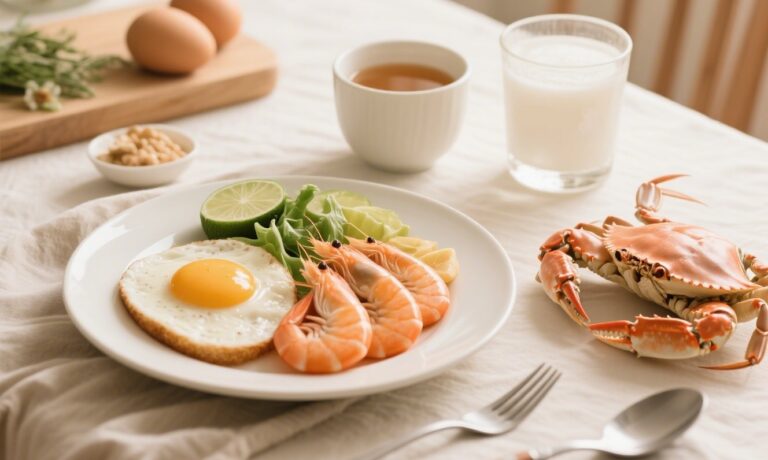
Chitosan is derived from chitin, commonly extracted from the cell walls of crustaceans, fungi, and plants. Known for its cationic, film-forming, and antimicrobial properties, chitosan has been widely studied for use in active food packaging materials.
Unlike conventional plastic packaging, chitosan-based films offer natural antibacterial activity, reduce the need for synthetic additives, and help address environmental concerns through biodegradability.
Chitosan-Based Antimicrobial Film Systems
Recent innovations focus on composite films, where chitosan is combined with other biodegradable materials such as polysaccharides, proteins, or lipids to enhance performance and broaden application potential.
Chitosan–Polysaccharide Composite Films
Chitosan can form stable films with:
- Alginate: a water-soluble anionic polymer with strong gel properties
- Cellulose: a widely available, modifiable natural polymer
- Starch: rich in hydroxyl groups for hydrogen bonding
- Pullulan: a microbial-derived polysaccharide with excellent film-forming capacity
These combinations benefit from hydrogen bonding and electrostatic interactions, enhancing antibacterial effectiveness and film stability. However, some challenges remain, such as uneven coating, moisture sensitivity, and reduced mechanical properties under high humidity.
Chitosan–Protein Composite Films
When combined with proteins like:
- Gelatin
- Soy protein isolate
- Zein (corn protein)
Chitosan forms films with strong structural integrity, good oxygen barrier properties, and improved shelf stability. The interaction between chitosan’s positively charged –NH3⁺ groups and the deprotonated carboxyl groups of proteins improves film adhesion and antimicrobial performance.
Chitosan–Lipid Composite Films
Chitosan also interacts with:
- Beeswax, through hydrogen bonding with –OH groups
- Plant oils, via ionic interactions between charged groups
These composites help create water-resistant antimicrobial coatings, ideal for fatty food products. The lipid component enhances the moisture barrier, while chitosan provides microbial defense.
Why Chitosan Stands Out
Chitosan offers:
- Intrinsic antimicrobial activity
- Biodegradability
- Film-forming versatility
- Compatibility with other natural biopolymers
- Reduced reliance on synthetic preservatives and plastics
These properties make it a powerful candidate for eco-friendly, functional packaging solutions across various food categories.
Final Thoughts
Chitosan’s versatility, safety, and effectiveness make it a cornerstone ingredient in the future of sustainable food packaging. As environmental concerns grow and consumers demand cleaner labels, chitosan-based materials offer both functional performance and ecological responsibility.