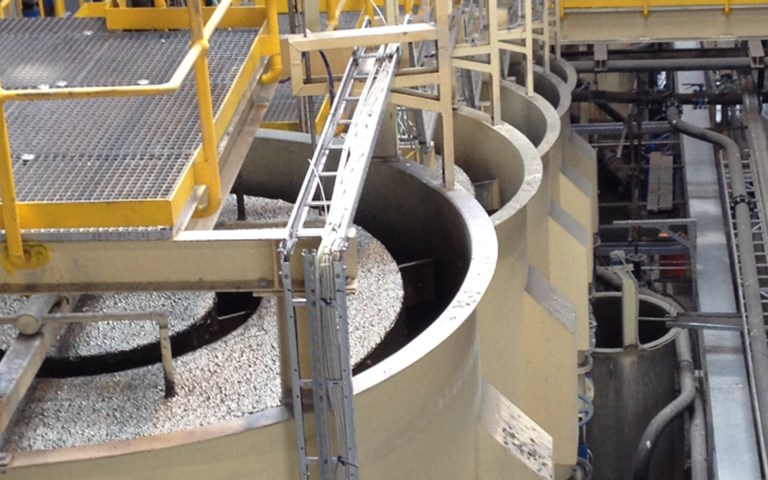
Benzohydroxamic Acid (BHA): Hydroxamic Acid Flotation Agent
What is Benzohydroxamic Acid (BHA)?
BHA is an organic compound consisting of a benzene ring attached to a hydroxamic acid (–CONHOH) functional group. This structure allows it to form stable complexes with metal ions, particularly Fe³⁺, Cu²⁺, and rare earth elements. Unlike cosmetic-grade beta-hydroxy acids (BHAs), industrial BHA is specifically designed for mineral processing, offering superior selectivity and efficiency in ore beneficiation.
Hydroxamic Acid Chemistry
The general hydroxamic acid structure (R-CONHOH) enables these compounds to form stable five-membered chelate rings with various metal cations. This unique property stems from the presence of both carbonyl oxygen and hydroxylamine nitrogen as potential donor atoms. In mineral processing applications, hydroxamic acids exhibit pH-dependent behavior, with optimal performance typically occurring in weakly alkaline conditions (pH 8-10). The versatility of this chemical family extends beyond flotation, finding applications in pharmaceutical development, corrosion inhibition, and environmental remediatio
Flotation Mechanisms and Applications
As a flotation collector, BHA operates through multiple mechanisms including electrostatic adsorption, chemical chelation, and hydrophobic aggregation. The compound demonstrates particular effectiveness for tungsten, tin, and rare earth minerals, often achieving recovery rates exceeding 85% at dosages of 100-300 g/ton. Compared to traditional fatty acid collectors, BHA offers superior selectivity, especially in complex ore systems containing calcium-bearing gangue minerals. Case studies from major mining operations have documented significant improvements in both recovery and concentrate grade when implementing BHA-based flotation schemes.
Hydroxamic acid Future Outlook
The growing demand for critical minerals and increasing environmental regulations continue to drive innovation in hydroxamic acid technology. Current research focuses on developing next-generation derivatives with enhanced selectivity and biodegradability. Emerging applications in urban mining and battery recycling present new opportunities for these specialized reagents. As mineral processing faces more complex ore challenges, hydroxamic acids like BHA are poised to play an increasingly important role in sustainable resource recovery.