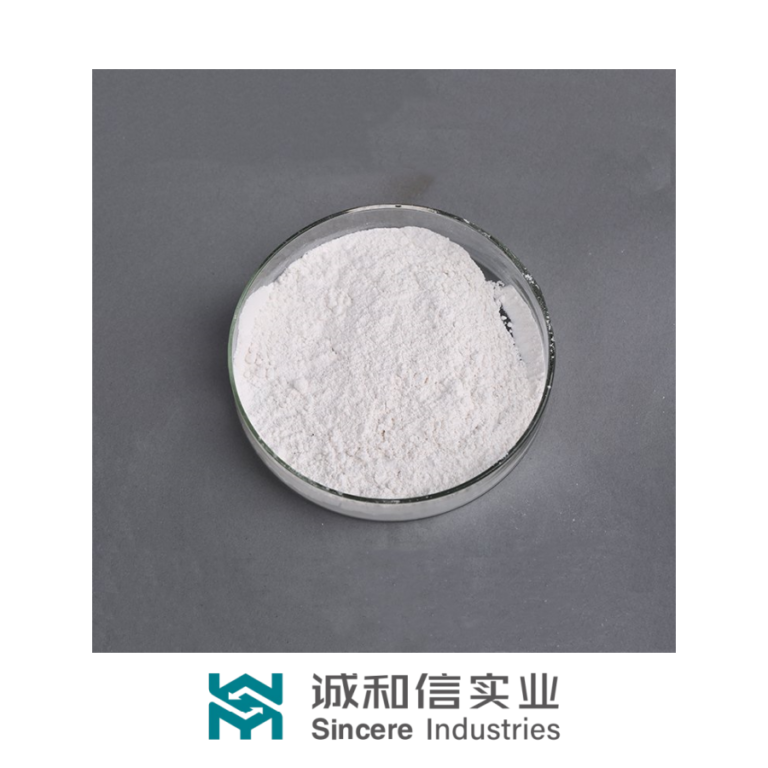

Applications of Ferric Nitrate solution in H₂S Desulfurization
Introduction
Ferric nitrate solution is a powerful and effective chemical for removing hydrogen sulfide (H₂S). This compound is widely used across many industries due to its strong oxidative properties and ease of handling. Its role in H₂S desulfurization continues to grow as companies seek efficient and reliable solutions to meet environmental and safety standards.
Protecting Infrastructure from H₂S Corrosion
Oil and gas producers particularly value ferric nitrate for its rapid reaction rate with H₂S. Importantly, it performs effectively in both high-pressure and low-pressure systems. Moreover, its adaptability makes it suitable for diverse applications, including wellheads, pipelines, and processing facilities that contend with H₂S contamination. Since the reaction is non-reversible, the converted sulfur does not revert to H₂S, thereby providing a permanent solution to gas contamination issues.
Operation Flexibility
In the oil and gas sector, H₂S represents a common and hazardous challenge. Not only is it highly toxic and corrosive, but it is also frequently present in natural gas streams. As a result, ferric nitrate is employed as a key ingredient in liquid H₂S scavengers. These scavengers are injected directly into gas lines, where they promptly convert H₂S into harmless solid sulfur. Consequently, this removal process significantly mitigates equipment damage and enhances operational safety.
Biogas Treatment
Another important application is in biogas treatment where H₂S is a common contaminant. Biogas produced from landfills or anaerobic digesters contains significant amounts of H₂S. Therefore, this must be removed before the gas can be used for energy production. Ferric nitrate provides an efficient and cost-effective method for this H₂S purification. It helps upgrade biogas to biomethane quality by removing H₂S, supporting green energy goals.
Ferric Nitrate solution in Wastewater Treatment
Wastewater treatment plants also use ferric nitrate to control H₂S-related odor and corrosion. H₂S gas often forms in sewer systems and treatment tanks. It causes unpleasant smells and damages concrete and metal structures. By adding ferric nitrate, operators can oxidize H₂S into elemental sulfur. This H₂S treatment reduces odor and extends the life of infrastructure.
Conclusion
In summary, ferric nitrate is a versatile and reliable solution for H₂S removal across multiple industries. It serves critical roles in oil and gas, biogas upgrading, wastewater treatment, and industrial air cleaning where H₂S is present. Its effectiveness in H₂S treatment, combined with operational simplicity, makes it a preferred choice for many engineers and plant managers facing H₂S challenges.