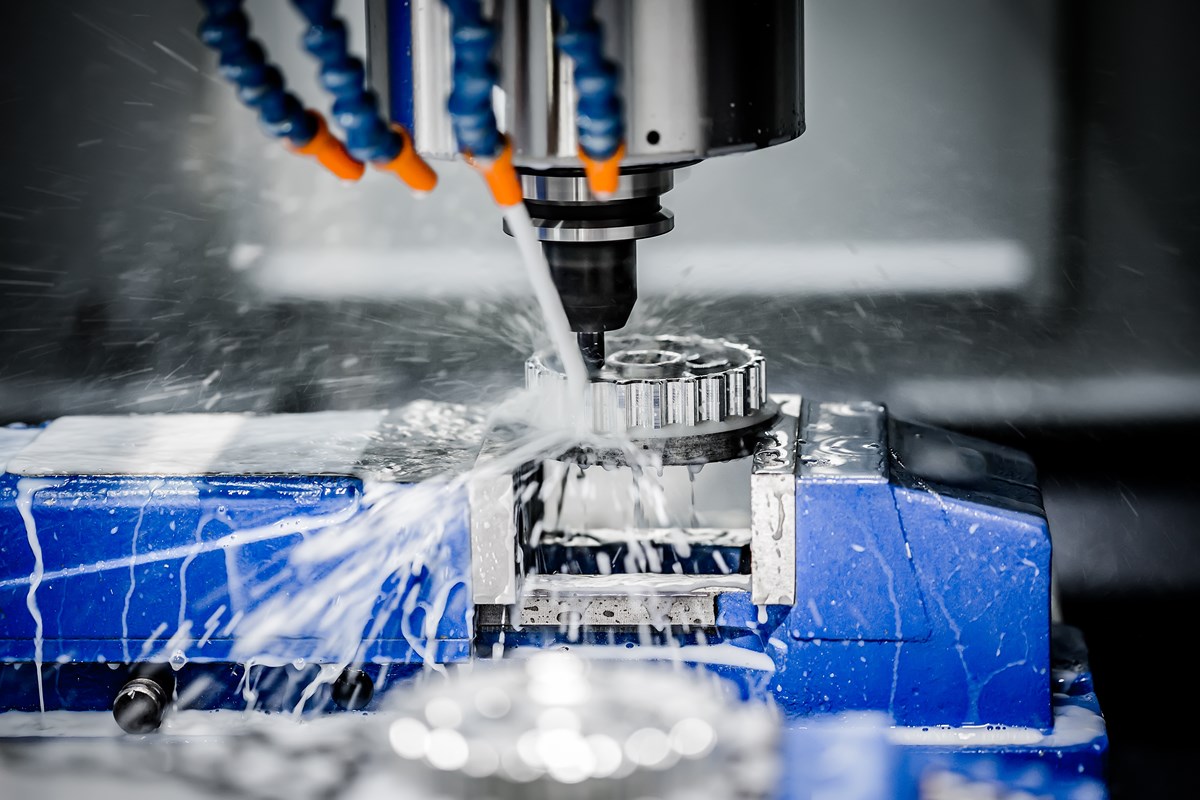
DGA (Diglycolamine) in Cutting and Grinding Fluids
Maintaining Optimal Alkalinity as a Key Buffer
One of the primary functions of Diglycolamine (DGA) in metalworking fluids is its role as an effective alkalinity reserve. During the machining process, the fluid is constantly challenged by acidic byproducts from bacterial activity and the breakdown of the fluid itself. If left unchecked, this acidity can lower the fluid’s pH, rendering it ineffective and corrosive. DGA acts as a stable buffer, neutralizing these acidic contaminants and maintaining the pH within an optimal alkaline range.
Providing Superior Corrosion Inhibition
Protecting both the metal workpiece and the expensive machinery from rust and corrosion is a critical requirement for any metalworking fluid. DGA contributes significantly to this protective function. As an alkanolamine, it forms a thin, protective molecular layer on the surfaces of ferrous metals. This barrier effectively prevents oxygen and moisture from coming into direct contact with the metal, thereby inhibiting the electrochemical reactions that lead to rust. This ensures that machined parts maintain their dimensional accuracy and surface finish without being compromised by oxidation.
Minimizing Cobalt Leaching from Carbide Tools
A unique and highly valuable property of DGA is its gentle behavior towards cemented carbide tools, which contain cobalt as a binder. Many common amines, such as monoethanolamine (MEA), are aggressive chelators that can leach cobalt from the tool substrate. This leaching weakens the tool’s structure, leading to premature failure and surface defects on the workpiece. In contrast, DGA exhibits a very low tendency to complex with cobalt ions. By minimizing cobalt leaching, DGA helps preserve the integrity and longevity of expensive carbide cutting tools, resulting in significant cost savings and reduced machine downtime.
Enhancing Microbial Control and Fluid Longevity
The stability of a metalworking fluid is directly linked to its resistance to microbial growth. Bacterial and fungal contamination can cause foul odors, clog filters, and break down the fluid’s chemical components. While not a biocide itself, its alkalinity control properties work synergistically with other biocides in the formulation to enhance overall microbial control.