Is Monoethanolamine Safe? | MEA | CAS 141-43-5
What Is Monoethanolamine ?
Monoethanolamine (MEA, CAS 141-43-5), also known as ethanolamine, is an organic compound with the formula C₂H₇NO. It is a colorless, viscous liquid with an ammonia-like odor, widely used in industries ranging from gas treatment to cosmetics.
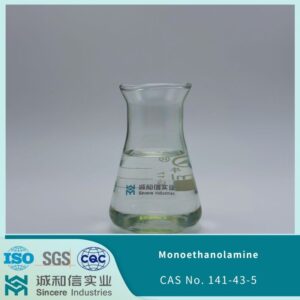
Key Uses of Monoethanolamine
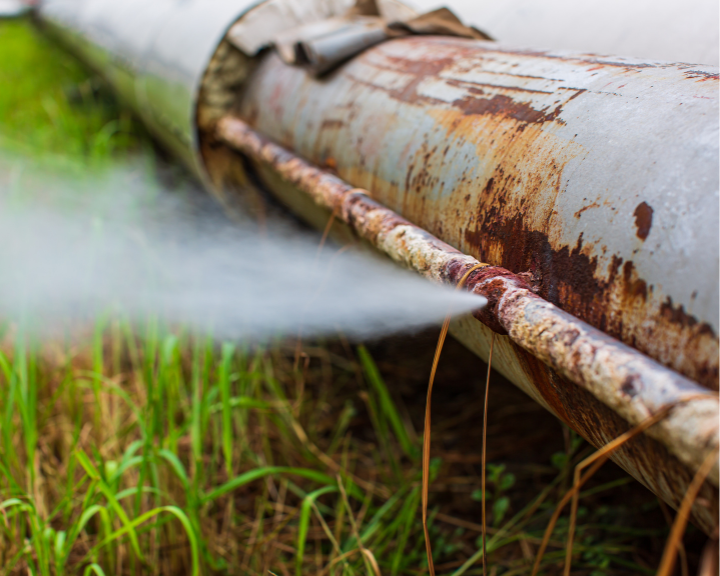
One of the primary applications of monoethanolamine is in gas treatment processes, where it effectively removes acidic contaminants such as carbon dioxide (CO₂) and hydrogen sulfide (H₂S) from natural gas streams and refinery emissions. Its ability to selectively absorb these gases makes it indispensable in ensuring cleaner industrial outputs.
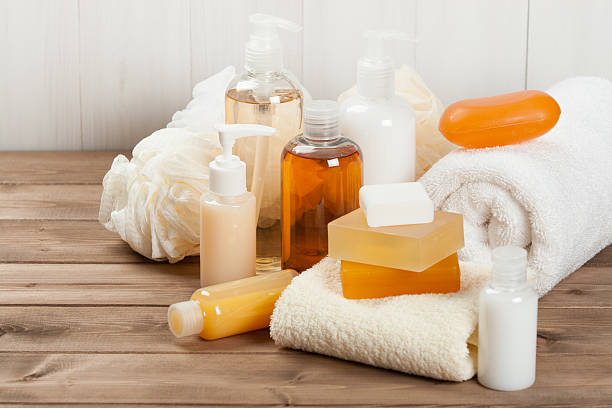
Beyond gas scrubbing, MEA plays a crucial role in the personal care industry, particularly in shampoos, soaps, and facial cleansers. When combined with fatty acids, it forms cocamide MEA, a gentle surfactant that enhances foam stability and viscosity in cosmetic formulations.
Additionally, MEA serves as a pH adjuster, ensuring optimal product performance while maintaining skin compatibility.
In the agricultural sector, monoethanolamine functions as a corrosion inhibitor in liquid fertilizers, protecting equipment from degradation while improving nutrient delivery.
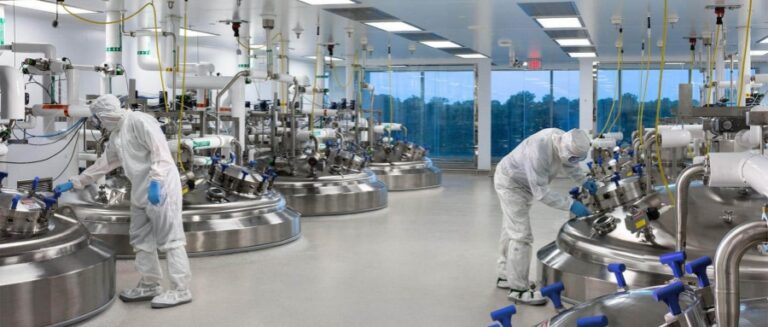
The pharmaceutical industry also benefits from MEA as an intermediate in synthesizing various drugs, including antihistamines and local anesthetics.
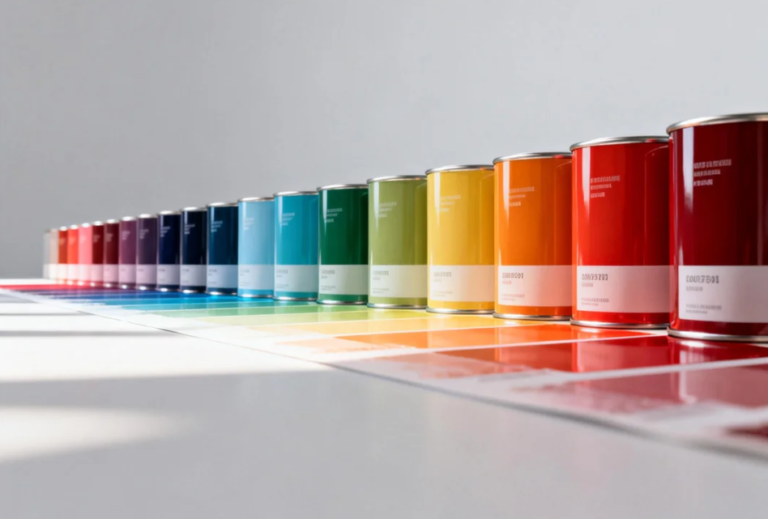
Furthermore, MEA contributes to textile manufacturing by acting as a softening agent and improving dye absorption, while in coatings and resins, it enhances stability and adhesion properties.
Safety Considerations for Monoethanolamine Handling
Despite its widespread use, proper handling of monoethanolamine is essential due to its potential hazards. As a skin and eye irritant, direct contact with concentrated MEA can cause burns, necessitating the use of protective gear such as gloves and goggles. Inhalation of MEA vapors should be avoided, and workplaces must ensure adequate ventilation.