What is DCTF Intermediates? | C6H2Cl2F3N| 69045-84-7
What is DCTF Intermediate?
2,3-Dichloro-5-(trifluoromethyl)pyridine (CAS 69045-84-7;DCTF ) represents a highly valuable heterocyclic compound in modern organic chemistry. This colourless liquid features a unique combination of halogen and trifluoromethyl substituents on its pyridine ring, creating exceptional reactivity patterns.
Its physical characteristics include a melting point range of 48-52°C and good solubility in common organic solvents like dichloromethane and toluene, while remaining relatively insoluble in water. These properties collectively establish DCTF as a critical building block for numerous synthetic applications.
Derivatives and Structural Significance
The true value of DCTF lies in its role as a precursor to numerous biologically active derivatives.The compound serves as the foundational structure for several classes of agrochemicals, most notably as the key intermediate in synthesizing advanced fungicides and herbicides.
Pharmaceutical researchers utilize its reactive sites to develop pyridine-containing drug candidates, especially those targeting infectious diseases. The chlorine atoms undergo facile nucleophilic displacement reactions, allowing the introduction of various amine, alkoxy, or thiol functionalities.
Meanwhile, the trifluoromethyl group enhances the lipophilicity and metabolic stability of resulting molecules—properties highly sought after in crop protection and medicinal chemistry. This dual functionality enables the creation of derivatives with tailored biological activity and environmental persistence profiles.
Manufacturing DCTF to Meet Growing Demand
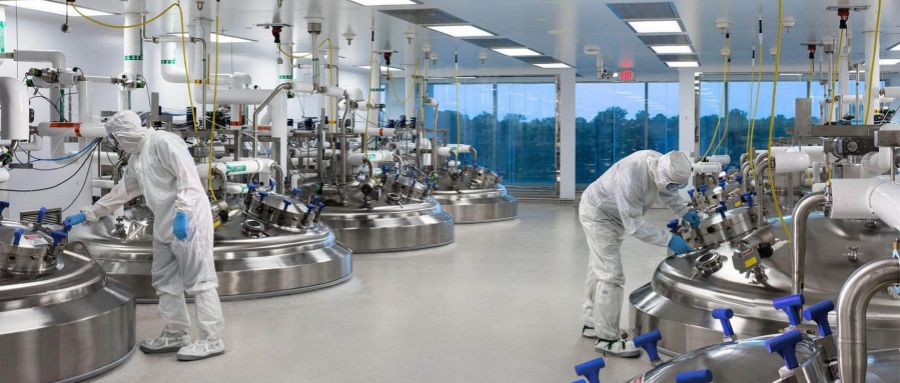
The production of 2,3-dichloro-5-(trifluoromethyl)pyridine has evolved significantly to keep pace with expanding market requirements. Modern synthetic routes typically begin with the selective chlorination of 3-(trifluoromethyl)pyridine, followed by careful purification through crystallization or distillation.
Manufacturers have implemented continuous flow chemistry systems to improve yield and consistency while reducing the environmental footprint of batch processes. The global demand growth, estimated at 5-7% annually, primarily stems from the agricultural sector’s need for next-generation pesticides. Production facilities now emphasize green chemistry principles, including catalyst recovery and waste stream minimization, to address regulatory concerns.
Capacity expansions in Asia and Europe reflect the compound’s increasing importance in the agrochemical value chain, with quality standards now routinely exceeding 98.5% purity for most industrial applications.

Environmental and Safety Considerations
The handling and production of DCTF require careful attention to safety and environmental protocols. While not classified as acutely toxic, the compound’s halogenated nature necessitates proper containment to prevent environmental release. Industrial wastewater treatment systems must include specialized processes to break down pyridine derivatives before discharge. The industry has made significant progress in developing closed-system manufacturing approaches that minimize workplace exposure while improving yield efficiency. Recent life cycle assessment studies have guided manufacturers toward more sustainable solvent choices and energy recovery systems in production.
Emerging Applications and Future Outlook
Beyond traditional agrochemical uses, DCTF is finding new applications in materials science and specialty chemistry.Researchers are exploring its potential as a building block for liquid crystal displays and organic electronic materials, where its fluorine content enhances dielectric properties.
The pharmaceutical industry continues to investigate DCTF-derived compounds as kinase inhibitors and antimicrobial agents. Future production innovations will likely focus on catalytic systems that reduce chlorine waste and enable even more selective functionalization.
As the global demand for precision agrochemicals grows, coupled with expanding applications in electronics and medicine, 2,3-dichloro-5-(trifluoromethyl)pyridine is poised to maintain its position as an indispensable intermediate in synthetic chemistry. The development of bio-based production pathways may represent the next frontier for this versatile compound.