EDTA CAS 60-00-4: The Versatile Chelating Agent for Diverse Industries
Overview
Ethylenediaminetetraacetic Acid (EDTA) is a synthetic chelating agent renowned for its exceptional ability to bind metal ions. Composed of a hexadentate ligand structure—featuring four carboxylate groups and two amine groups—EDTA forms stable complexes with divalent and trivalent metal ions, such as calcium, magnesium, and iron. This unique property makes it indispensable across industries ranging from pharmaceuticals to wastewater treatment. As a versatile, water-soluble compound, it combines high chemical stability with broad compatibility, offering tailored solutions for challenges involving metal ion control.
Uses and Applications
EDTA’s metal-chelating capability drives its widespread use. In the food industry, it acts as a preservative, preventing oxidation and discoloration by sequestering trace metals. Pharmaceuticals leverage EDTA in anticoagulant formulations (e.g., blood collection tubes) and as a detoxification agent for heavy metal poisoning. Cosmetics utilize it to stabilize formulations by neutralizing metal impurities that degrade active ingredients. Industrially, EDTA is critical in water treatment for scale inhibition, in detergents to soften hard water, and in agriculture to enhance micronutrient uptake in fertilizers. Its derivatives, such as disodium EDTA, further expand applications in medical imaging and laboratory diagnostics.
Physical and Chemical Properties
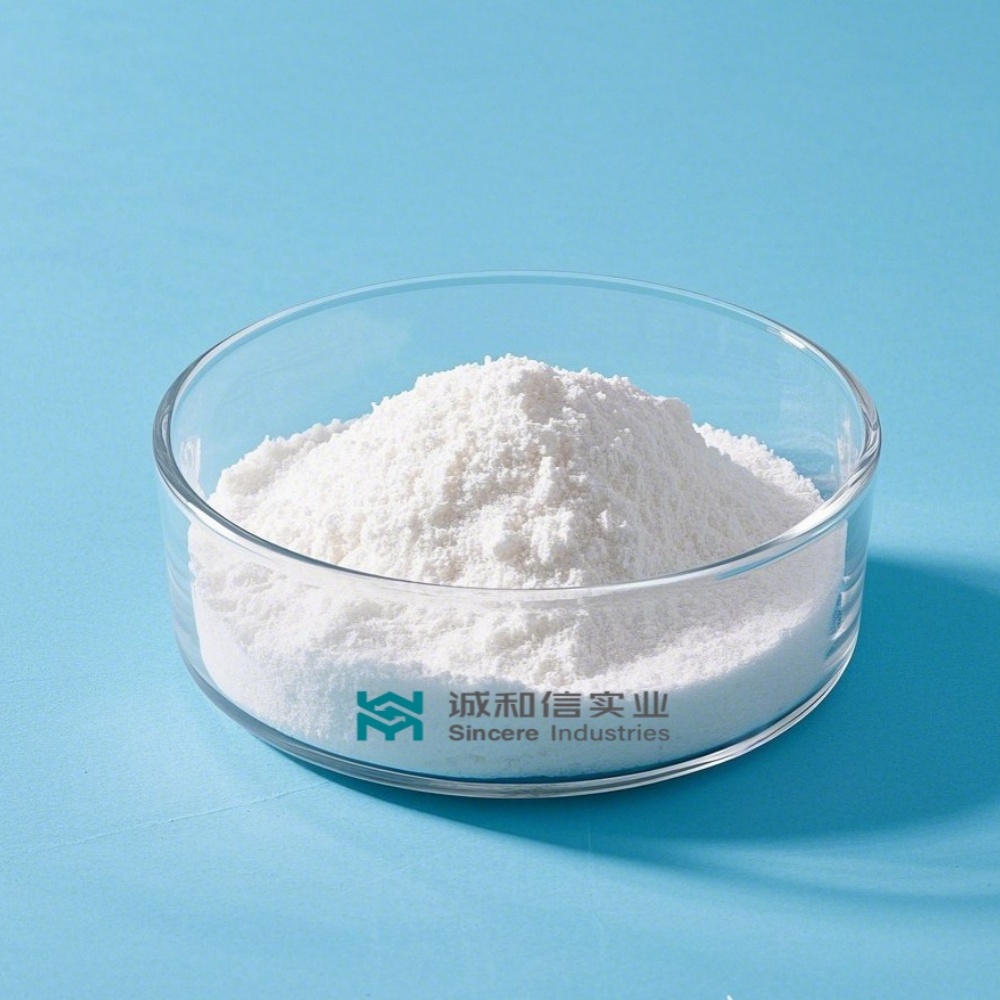
EDTA typically appears as a white, crystalline powder with a melting point of approximately 240°C (decomposes). It has limited solubility in water (0.5 g/L at 25°C) but dissolves readily in alkaline solutions, forming salts like disodium or tetrasodium EDTA. Its molecular weight is 292.24 g/mol, and it exhibits a density of ~1.6 g/cm³. The compound’s chelation strength is pH-dependent, with optimal binding occurring in neutral to alkaline conditions. EDTA’s stability constants for metal ions rank among the highest known, ensuring long-lasting efficacy in diverse environments.
Environment Effects
EDTA’s environmental impact is dual-edged. While it is biodegradable under certain conditions, its metal complexes can persist in aquatic systems, potentially disrupting microbial activity and metal biogeochemical cycles. These complexes may also mobilize toxic heavy metals in soil or water, posing ecological risks. Industrial and municipal wastewater containing EDTA requires advanced treatment, such as ozonation or UV degradation, to break down persistent complexes before discharge. Regulatory frameworks in many regions mandate strict monitoring of EDTA levels in effluents to mitigate long-term environmental effects.
Conclusion
Ethylenediaminetetraacetic Acid (EDTA) stands as a cornerstone of modern chemistry, bridging industries with its unmatched metal-chelating prowess. From extending product shelf life to enabling life-saving medical treatments, its applications underscore its irreplaceable role. As industries advance toward sustainable practices, optimizing EDTA use—through improved degradation technologies and eco-friendly derivatives—will be key to balancing efficacy with environmental stewardship. With ongoing innovation, EDTA will continue to empower solutions for a cleaner, safer, and more efficient industrial future.