Tungsten Ore Flotation Agents: Benzohydroxamic Acid and Sodium Oleate
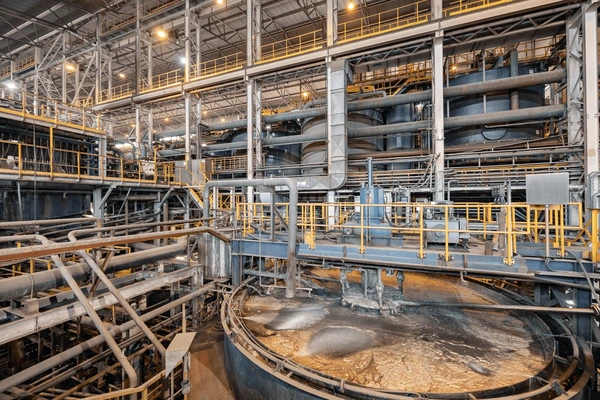
The Environmental Challenges and Green Solutions in Tungsten Flotation
The tungsten mining industry has long faced significant environmental challenges associated with traditional flotation reagents.
Historically used collectors, such as benzyl arsonic acid and heavy metal activators, pose considerable risks due to their inherent toxicity and poor biodegradability. These substances can lead to persistent environmental contamination and complex wastewater treatment requirements.
Furthermore, the stringent global environmental regulations and increasing demand for sustainable mining practices have necessitated the development of greener alternatives. The industry is actively seeking flotation agents that maintain high efficiency while minimizing ecological impact.
Benzohydroxamic Acid: A Highly Selective Chelating Collector
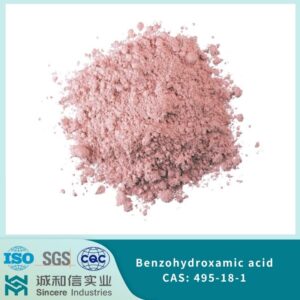
Benzohydroxamic Acid (BHA) has emerged as a superior environmentally friendly collector for tungsten minerals, particularly for wolframite and weathered scheelite. The environmental advantages of BHA are substantial; it exhibits low toxicity and a higher degree of biodegradability compared to traditional toxic reagents. Its strong collecting power often allows for lower dosage rates, thereby reducing the overall chemical load in the tailings.
The effectiveness of BHA is influenced by pulp pH and requires a carefully regulated circuit, often working best in slightly acidic to neutral conditions. Its ability to achieve high recovery rates for complex and low-grade ores makes it an invaluable tool in the modern flotation plant.
Sodium Oleate: A Classic Anionic Collector from Renewable Sources
Sodium Oleate represents a classic, yet increasingly relevant, anionic collector derived from natural animal and vegetable fats. Its status as a naturally occurring compound grants it excellent biodegradability and a reduced environmental profile. As a collector, it functions primarily through chemisorption onto the surface of scheelite, forming calcium oleate complexes. Its affordability and wide availability have made it a longstanding staple in flotation operations.
However, its main limitation lies in its relative lack of selectivity in hard water or ores containing high levels of calcium-bearing gangue minerals like calcite and fluorite. It can also be sensitive to water hardness and low temperatures.
Despite these challenges, its eco-friendly nature and potent collecting power ensure its continued use. Modern applications often involve using it in combination with more selective modifiers or other collectors to mitigate its weaknesses and leverage its strengths as a powerful, renewable collecting agent.
Conclusion and Outlook:Green Flotation Agents
In conclusion, the combination of Benzohydroxamic Acid and Sodium Oleate represents a powerful and environmentally conscious approach to tungsten flotation.
BHA offers high selectivity and effective performance for complex ores, while Sodium Oleate provides a cost-effective and renewable collecting power. Used individually or in synergistic combination, these agents significantly reduce the environmental impact of mining operations compared to traditional options.
The adoption of these eco-friendly technologies is not just a trend but a necessary evolution towards responsible resource extraction that meets the needs of the present without compromising the ability of future generations to meet their own needs.