
Trifluoromethanesulfonic Acid: Properties and Industrial Applications
What is Trifluoromethanesulfonic Acid?
Trifluoromethanesulfonic acid (CAS 1493-13-6), commonly known as triflic acid, is a superacid with remarkable chemical properties. With a pKa of -14, it is significantly stronger than sulfuric acid, making it invaluable in specialized chemical processes.
Key Properties of CF₃SO₃H
-
Chemical Formula: CF₃SO₃H
-
CAS Number: 1493-13-6
-
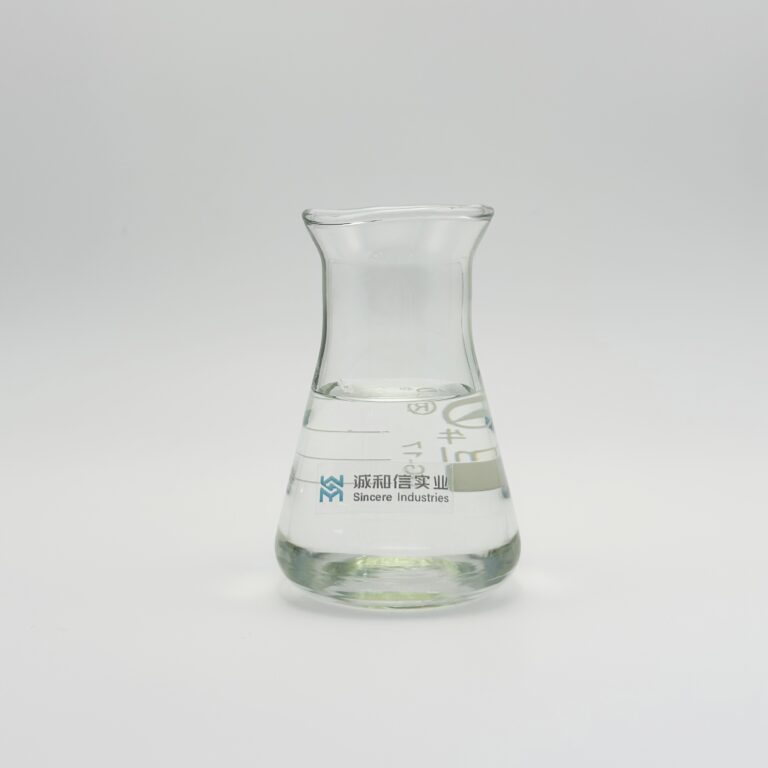
Appearance: Colorless to pale yellow liquid
-
Thermal Stability: Stable up to 300°C
-
Solubility: Miscible with water and organic solvents
Industrial Applications of Triflic Acid
1. Pharmaceutical Synthesis
Triflic acid is widely used as a catalyst in pharmaceutical manufacturing. Its strong acidity facilitates reactions such as:
-
Esterification
-
Friedel-Crafts alkylation
-
Carbocation-mediated rearrangements
For example, it plays a role in synthesizing antiviral drugs and active pharmaceutical ingredients (APIs).
2. Battery Electrolytes
In lithium-ion batteries, triflic acid derivatives improve ionic conductivity and electrochemical stability. Research suggests its use in next-generation energy storage systems (Journal of Power Sources, 2022).
3. Polymer Chemistry
Due to its ability to initiate cationic polymerization, triflic acid is used in producing:
-
High-performance plastics
-
Specialty elastomers
-
Conductive polymers
Safety and Handling
While triflic acid is highly useful, it requires careful handling:
-
Corrosive: Causes severe skin burns
-
Moisture-sensitive: Reacts violently with water
-
Storage: Must be kept in airtight, corrosion-resistant containers
Understanding Trifluoromethanesulfonic Acid
Trifluoromethanesulfonic acid (CF₃SO₃H), known chemically as it and commonly called triflic acid, is classified as one of the strongest known Brønsted acids. This remarkable compound, it, has a pKa of -14 and demonstrates exceptional thermal stability, making it invaluable in modern chemical processes.
Key Chemical Properties of Trifluoromethanesulfonic Acid
-
Molecular formula: CF₃SO₃H
-
CAS Number: 1493-13-6
-
Physical state: Colorless to pale yellow liquid
-
Acidity: Approximately 1000 times stronger than sulfuric acid
-
Thermal stability: Stable up to 300°C without decomposition
Industrial Applications of Trifluoromethanesulfonic Acid
1. Pharmaceutical Manufacturing
Trifluoromethanesulfonic acid serves as an exceptionally effective catalyst in:
-
Synthesis of active pharmaceutical ingredients (APIs)
-
Production of antiviral medications
-
Peptide coupling reactions
The unique properties of it make it particularly valuable in stereoselective synthesis, as demonstrated in research published by ACS Publications.
2. Energy Storage Systems
In advanced battery technologies, it and its derivatives contribute to:
-
Enhanced electrolyte conductivity
-
Improved thermal stability
-
Reduced electrode degradation
3. Polymer Chemistry
The low nucleophilicity of it makes it ideal for:
-
Cationic polymerization processes
-
Production of high-performance polymers
-
Creation of specialized fluoropolymers
Safety and Handling of Trifluoromethanesulfonic Acid
While it is extremely useful in industrial applications, it requires careful handling:
-
Corrosivity: Highly corrosive to most metals except PTFE and certain alloys
-
Moisture sensitivity: Reacts exothermically with water
-
Storage recommendations: Should be kept in airtight containers under inert atmosphere
The National Institutes of Health provides comprehensive safety guidelines for working with it in laboratory settings.
Scientific Significance of Trifluoromethanesulfonic Acid
Recent advancements in chemical research have explored new applications for it in:
-
Sustainable catalytic processes
-
Renewable energy technologies
-
Environmental remediation
A 2023 review in Nature Chemistry highlighted the growing importance of trifluoromethanesulfonic acid in developing greener chemical synthesis methods.