TOFA in EV Batteries and Green Chemistry: A Sustainable Opportunity
Introduction:
Tall Oil Fatty Acid (TOFA), a byproduct of the paper pulping industry, is emerging as a key enabler in green technology. With increasing demand for sustainable EV battery materials and carbon-neutral chemical solutions, TOFA’s unique properties—such as high reactivity, biodegradability, and cost-effectiveness—are gaining attention.
TOFA in EV Batteries: Enhancing Performance & Sustainability
Lithium-Ion Battery Applications
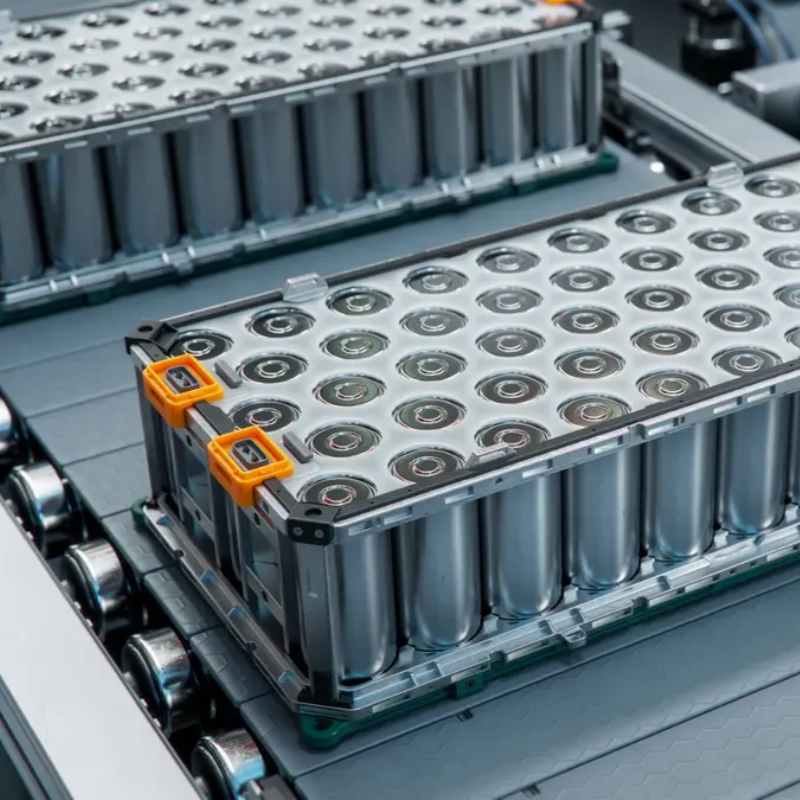
Tall Oil Fatty Acid is being studied as a functional additive in lithium-ion batteries due to:
- Improved Electrode Stability – Forms a protective film on anodes, reducing electrolyte degradation.
- Enhanced Thermal Resistance – Withstands high temperatures better than synthetic surfactants.
- Eco-Friendly Binder Alternative – Replaces petroleum-based binders in electrode manufacturing.
Emerging TOFA’s Use in Solid-State Batteries
Researchers are testing TOFA-derived esters as:
- Solid electrolyte interface (SEI) modifiers
- Flexible polymer matrices for solid-state battery designs
- Industry Insight: A 2023 study showed TOFA-coated anodes increased cycle life by 15% compared to traditional materials.
TOFA’s Role in Carbon-Neutral Chemistry
TOFA’s renewable origin (from pine tree byproducts) makes it ideal for:
- Bio-based plastics – As a plasticizer in biodegradable polymers
- Low-carbon lubricants – Reducing fossil fuel dependency in EV drivetrains
- Sustainable corrosion inhibitors – Used in battery cooling systems.
EU Green Deal & Regulatory Support
RED II Certification – TOFA qualifies for bio-based content credits under EU regulations. Carbon Offset Potential – Using TOFA in manufacturing can lower Scope 3 emissions.
TOFA’s Market Trends & Future Outlook
- Growing Demand in Energy Storage – The global EV battery market will drive TOFA adoption.
- Price Stability – Unlike petrochemicals, Tall Oil Fatty Acid prices are less volatile due to sustainable sourcing.
- Key Suppliers Expanding Capacity – Companies like Forchem (Finland) and Kraton (USA) are investing in TOFA refinement for high-tech applications.
Conclusion:
TOFA is no longer just an industrial byproduct—it’s a critical material for the green energy transition. From extending EV battery life to enabling carbon-neutral manufacturing, its versatility aligns with global sustainability goals.