TOFA-Based Imidazolines: Corrosion Inhibitors for Demanding Applications
Introduction
Corrosion is a persistent challenge in industries such as oil & gas, water treatment, and metal processing. Among the most effective corrosion inhibitors are imidazolines, particularly those derived from Tall Oil Fatty Acids (TOFA). TOFA-based imidazolines offer superior film-forming properties, environmental adaptability, and cost efficiency compared to synthetic alternatives.
Polyamines: Determine the imidazoline’s structure and functionality. Common choices:
DETA (Diethylenetriamine) → Standard imidazoline (oil-soluble)
AEEA (Aminoethylethanolamine) → Hydroxyethyl-imidazoline (water-soluble)
TETA (Triethylenetetramine) → Multi-ring imidazoline (high-temperature stability)
Performance Advantages
| Property | TOFA-Imidazoline | Conventional Inhibitors |
| Adsorption Strength | Forms dense hydrophobic films | Less ordered adsorption |
| Thermal Stability | Stable up to 220°C | Degrades above 150°C |
| Environmental Impact | Biodegradable (OECD 301B) | Often non-degradable |
| Cost Efficiency | 20–30% lower than oleic acid-based | Higher raw material costs |
Industrial Applications
Oil & Gas Industry
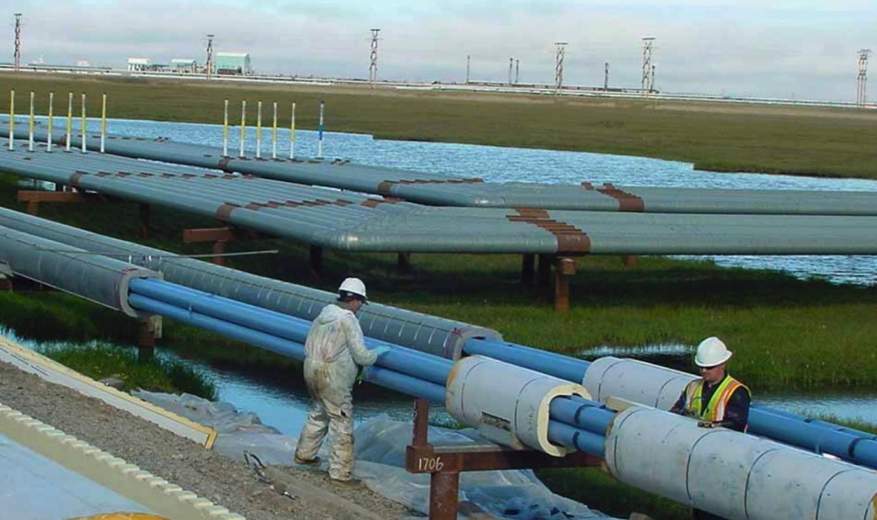
In the oil and gas sector, TOFA-DETA imidazolines are essential for protecting downhole tubing, pipelines, and flow assurance systems. A typical formulation includes TOFA-DETA imidazoline as the primary inhibitor, isopropanol as a solvent for uniform dispersion, and thioglycolic acid as an H₂S scavenger to prevent sulfide stress cracking. These inhibitors form a strong hydrophobic film on metal surfaces, significantly reducing corrosion rates in CO₂ and H₂S environments.
Water Treatment
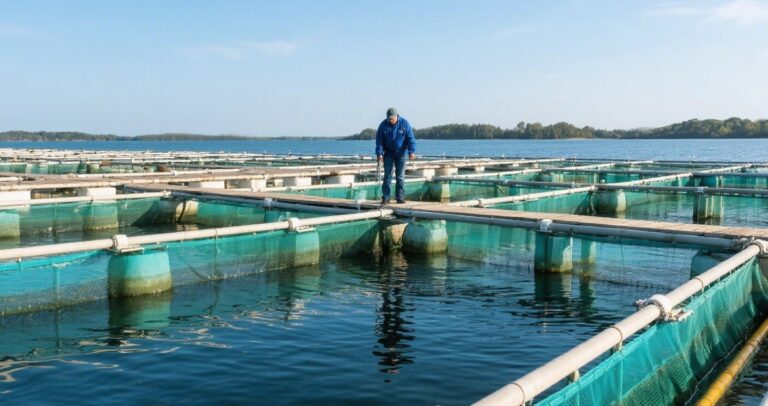
TOFA-based imidazolines play a crucial role in cooling water systems and boilers, where they prevent calcium carbonate scaling while simultaneously inhibiting metal corrosion. Their ability to function effectively in both neutral and slightly acidic conditions (pH 4–9) makes them ideal for industrial water treatment. Additionally, their biodegradability aligns with increasingly stringent environmental regulations.
Metal Cleaning & Processing
In acid pickling processes for steel and aluminum, TOFA-imidazolines help reduce Fe³⁺-induced pitting corrosion. When added to hydrochloric or sulfuric acid pickling baths, they form a protective layer that minimizes metal loss while maintaining surface cleanliness. This is particularly valuable in automotive and aerospace manufacturing, where precision metal finishing is critical.
Conclusion
TOFA-based imidazolines represent a cost-effective, high-performance solution for corrosion control. Their adaptability across oilfield, water treatment, and metal processing applications makes them indispensable in industrial chemistry.