Stearic Acid in Sunscreen Cosmetics
1. An Overview of Stearic Acid: A Fundamental Cosmetic Raw Material
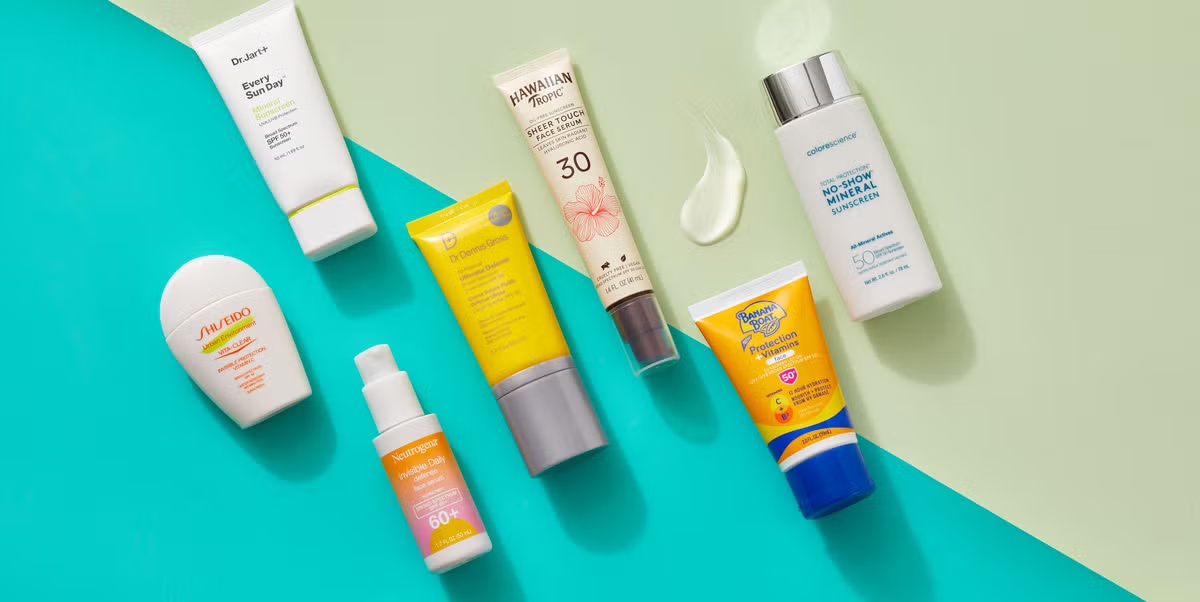
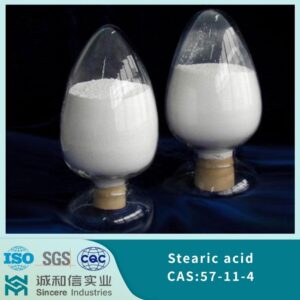
Stearic acid is a saturated long-chain fatty acid, mainly extracted from natural fats and synthetic industrial raw materials, and is a widely used auxiliary ingredient in cosmetic formulations. It is not a direct UV-filtering active ingredient, but a multifunctional additive with stable chemical properties, good compatibility and excellent processing performance. In sunscreen product development, it serves as a core auxiliary material, helping to balance product efficacy, texture, stability and skin feel, and adapting to various dosage forms such as sunscreen creams, lotions and sticks.
2. Stearic Acid as a High-Efficiency Emulsifier in Sunscreen Formulations
Most sunscreens are oil-water mixed emulsions, and stearic acid acts as a key emulsifier and co-emulsifier to maintain system stability. It reduces the interfacial tension between oil and water phases, forms a tight interfacial film, and uniformly disperses lipophilic UV filters in the formula. This effect effectively avoids stratification, agglomeration and precipitation during storage and transportation, and ensures the even distribution of sunscreen active ingredients on the skin to achieve consistent UV protection. It also helps adjust product viscosity for easier production and application.
3. Enhancing Skin Adhesion and UV Protection Durability
Stearic acid improves skin adhesion and long-lasting UV protection by forming a uniform, flexible protective film on the skin surface. This film locks UV filter ingredients tightly, resisting damage from sweat, water and slight friction, thus prolonging the sun protection duration. Meanwhile, it improves the sensory experience of sunscreens, reducing common problems such as whitening, greasiness and stickiness. For waterproof and sweat-resistant sunscreens, proper addition of stearic acid can effectively reduce the frequency of reapplication and enhance product practicality.
4. Skin Conditioning and Mildness Optimization
Stearic acid also works as a mild skin conditioning agent in sunscreens, relieving irritation and dryness caused by chemical UV filters. It softens the skin, locks moisture and reduces transdermal water loss, forming a gentle barrier to isolate direct irritation of UV filters to the stratum corneum. This makes sunscreens milder and more suitable for sensitive skin. In addition, it improves product spreadability, allowing smooth application without clumping or tugging, bringing a comfortable using experience.
5. Precautions and Formula Optimization for Stearic Acid Application
Rational dosage is the key to applying stearic acid in sunscreens. Excessive addition will cause heavy greasy feel and pore blockage, while insufficient dosage cannot achieve ideal emulsification and film-forming effects. Formulators should adjust its content according to sunscreen dosage forms and UV filter systems, and match it with other raw materials for synergistic compatibility. Following the trend of mild and lightweight sunscreens, optimized application of stearic acid will continue to support the innovation of high-performance sunscreen products.