

Potassium Carbonate: A Versatile Alkali with Diverse Applications
What is the Benefit of Potassium Carbonate?
Potassium carbonate (K₂CO₃) offers unique advantages as a highly soluble alkali compound. Its strong alkaline properties make it invaluable for pH regulation in industrial processes, while its potassium content provides nutritional benefits in food applications.
Unlike harsher alternatives, potassium carbonate is relatively mild yet effective, decomposing into harmless byproducts (potassium hydroxide and carbon dioxide) when heated.
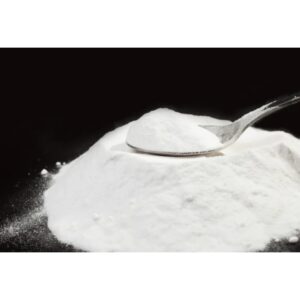
Is Potassium Carbonate the Same as Baking Soda?
While both are alkaline salts, potassium carbonate and baking soda (sodium bicarbonate, NaHCO₃) differ significantly in composition and reactivity.
It is a stronger base with a higher pH (≈11.6 in solution vs. baking soda’s ≈8.4), making it unsuitable for direct substitution in recipes.
In cooking, they serve distinct purposes: baking soda acts as a leavening agent when combined with acids, whereas potassium carbonate (often called “potash” in culinary contexts) modifies texture in traditional foods like German gingerbread or Asian noodles.
Chemically, potassium carbonate lacks the carbon dioxide-releasing properties that define baking soda’s leavening action.
What is the Use of Potassium Carbonate?
This multifunctional chemical serves diverse sectors.
- In agriculture, it’s a key component of potash fertilizers, essential for crop potassium supplementation.
- The glass industry relies on it to lower melting points in specialty glass production (e.g., optical lenses), while soap manufacturers use it to create soft liquid soaps through saponification.
- Food applications include cocoa processing (to enhance flavor and color) and traditional winemaking (to reduce acidity).
- Emerging uses include fire suppression systems, where its decomposition smothers flames chemically, and lithium-ion battery production as an electrolyte stabilizer.
Safety and Environmental Considerations
While generally recognized as safe in regulated quantities, potassium carbonate requires careful handling in concentrated forms. Workplace exposure to dust can irritate respiratory tracts, necessitating proper ventilation and PPE.
Environmentally, its high solubility means spills can rapidly increase water pH, requiring neutralization with weak acids like citric acid. However, its biodegradability and lack of persistent toxic metabolites make it preferable to many synthetic alternatives.
Conclusion
As industries increasingly prioritize sustainable alkalis, potassium carbonate’s natural derivability (from wood ashes or mineral deposits) and low toxicity profile position it for expanded applications. Future research may unlock further potential in carbon capture and renewable energy systems, building on its proven versatility while addressing global challenges.