N,N-Dimethylformamide (DMF): The Versatile Solvent Powering Modern Chemistry
The Invisible Workhorse of Industrial Chemistry
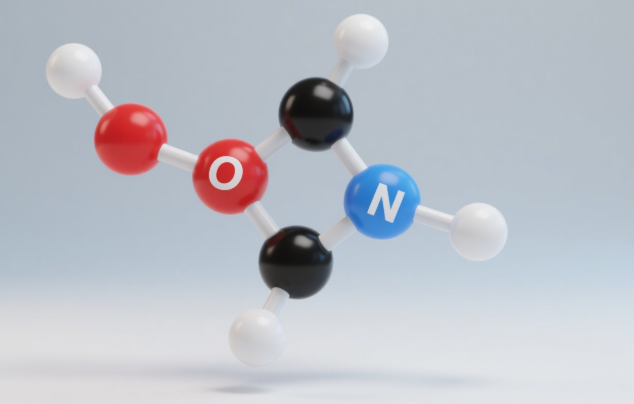
N,N-Dimethylformamide (DMF) might not be a household name, but this colorless liquid (C₃H₇NO) quietly enables breakthroughs across industries. As one of chemistry’s most versatile polar aprotic solvents, DMF’s unique ability to dissolve both organic and inorganic compounds makes it indispensable in modern manufacturing.
What sets DMF apart is its exceptional combination of properties: a high boiling point (153°C), strong solvency power, and relative stability under various conditions. These characteristics have cemented its role as a go-to solvent for demanding chemical processes where other solvents fail.
Where DMF Makes an Impact
From life-saving medicines to the tech gadgets we use daily, DMF plays multiple critical roles:
• Pharmaceutical Production: Serves as a preferred reaction medium for antibiotic synthesis and drug crystallization processes. Over 65% of small-molecule drug production involves DMF at some manufacturing stage, particularly for penicillin and cephalosporin antibiotics.
• Advanced Materials Manufacturing: Essential for producing spandex fibers and polyurethane foams used in furniture, automotive interiors, and footwear. Its high boiling point enables controlled polymer reactions that create these durable yet flexible materials.
• Electronics Industry: Plays a crucial role in lithium-ion battery electrolytes and acts as a photoresist stripper in circuit board production. The electronics sector values DMF for its ability to clean delicate components without damage.
• Agricultural Chemistry: Used in pesticide formulations where its solvency helps create stable, effective products that protect crops while minimizing environmental impact.
Why DMF Stands Out
Three key properties make DMF irreplaceable in many applications:
-
Exceptional solvency power – dissolves everything from salts to polymers
-
High thermal stability – maintains performance in demanding reactions
-
Low volatility – safer to handle than alternatives like acetone
Recent studies in ACS Sustainable Chemistry highlight DMF’s evolving role in greener chemical processes, including innovative recycling protocols that recover and reuse up to 90% of solvent in closed-loop systems.
Handling with Care
While incredibly useful, DMF requires proper safety measures due to its:
-
Skin penetration risk (requires nitrile or multilayer gloves)
-
Flammability (flash point 58°C, needs proper storage)
-
Health considerations (TLV-TWA of 10ppm)
The EPA’s Safer Choice Program recommends alternatives for some applications, driving continuous innovation in solvent technology. However, for many specialized uses, DMF remains unmatched in performance.