Isobutyl Methacrylate (IBMA): A Technical Overview of a Versatile Acrylic Monomer
Isobutyl Methacrylate (IBMA) is a mono-functional methacrylic ester. It serves as a key building block in polymer chemistry. The monomer features a hydrophobic isobutyl group. This structure gives copolymers distinct properties. It enhances solubility in organic solvents and improves water resistance. The group also modifies the glass transition temperature (Tg). Therefore, formulators extensively use IBMA to tailor performance in advanced applications.
Key Physicochemical Properties
IBMA is a clear, colorless liquid. It has a characteristic ester odor. The chemical structure provides several defining traits. It shows lower volatility than methyl methacrylate. The monomer displays moderate reactivity during free-radical polymerization. It also offers good compatibility with other acrylic and vinyl monomers. Furthermore, the bulky isobutyl side chain introduces steric effects. These effects influence polymerization kinetics and final polymer mechanics.
Primary Functions in Polymer Formulation
In practice, IBMA serves three main roles. First, it acts as an internal plasticizer. This action increases acrylic resin flexibility and impact resistance. Importantly, it achieves this without migration or volatilization. Second, IBMA works as an excellent hydrophobicity modifier. It significantly boosts water and moisture resistance in coatings and adhesives. Finally, formulators use it as a reactive diluent. It adjusts resin viscosity to improve processability. It also fully incorporates into the polymer network.
Cross-Industry Application Summary
IBMA plays a significant role in multiple sectors. Its key applications include:
-
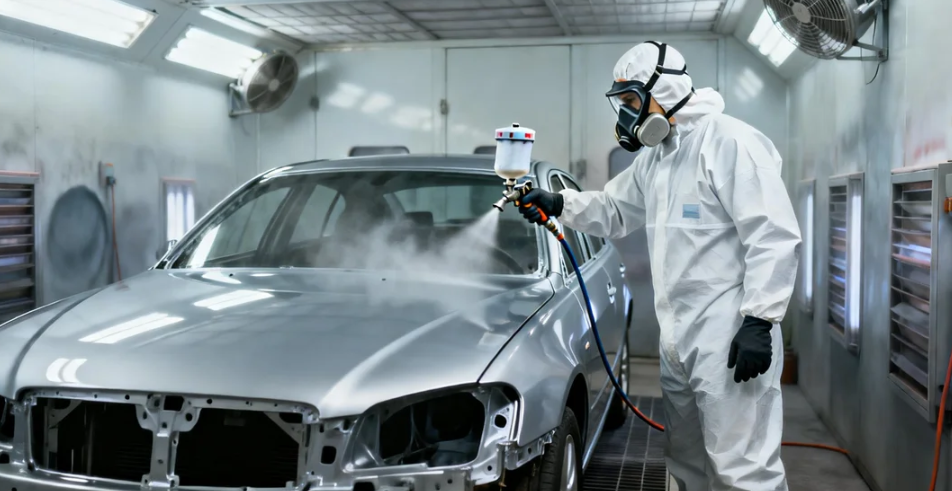
High-Performance Coatings: It improves adhesion, leveling, and durability in automotive, industrial, and plastic coatings.
-
Specialty Adhesives: Producers use it in PSAs, structural adhesives, and sealants to optimize tack and strength.
-
Synthetic Resins & Plastics: It modifies acrylic resins and engineering plastics, balancing stiffness and toughness.
-
Additional Fields: Formulations for printing inks, textile finishes, and lubricant additives also incorporate IBMA.
Formulation and Handling Considerations
Several technical points need attention. Formulators typically add a stabilizer like MEHQ to inhibit storage polymerization. During copolymerization, they must calculate its reactivity ratio with other comonomers. This step predicts copolymer composition accurately. Although IBMA has low toxicity, we recommend proper ventilation and PPE. Handlers should also avoid contact with strong oxidizers.
In summary, Isobutyl Methacrylate (IBMA) is an indispensable tool. Its unique structure allows precise tuning of material properties. This capability drives the development of higher-performance products across industries.