Glycerol: Understanding the Properties and Multifunctional Applications of a Versatile Compound
Introduction to Glycerol
Glycerol, which many people also refer to as Glycerin, is a simple polyol compound. This colorless, odorless liquid possesses a viscous consistency and a mildly sweet taste. Moreover, its high solubility in water and remarkable hygroscopic nature make it particularly valuable across numerous industries. Consequently, it has become an essential component in everything from pharmaceuticals to food production.
Key Properties and Characteristics
The unique chemical structure of glycerol gives rise to several valuable properties. Specifically, its hygroscopic nature enables it to absorb atmospheric moisture effectively. Additionally, manufacturers particularly value its high boiling point, excellent thermal stability, and completely non-toxic nature. Furthermore, these characteristics collectively make it an exceptionally versatile compound for diverse applications.
Applications Across Industries
1. Cosmetic and Personal Care
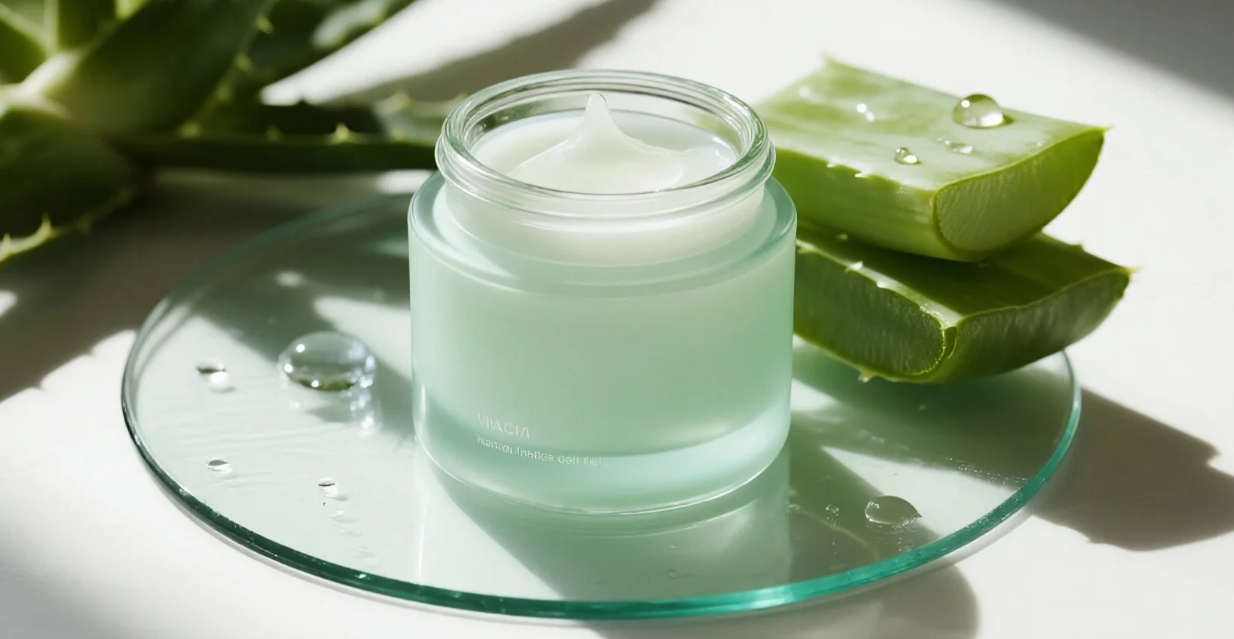
In cosmetic formulations, glycerol serves primarily as a powerful humectant. For example, it helps moisturizers and lotions attract and retain moisture, thereby significantly improving skin hydration. Furthermore, formulators especially appreciate its smooth texture and excellent compatibility with other ingredients. As a result, it appears in countless skincare and haircare products worldwide.
2. Pharmaceutical Manufacturing
The pharmaceutical industry utilizes glycerol for multiple crucial purposes. Primarily, it acts as an effective solvent for active compounds, a reliable sweetening agent in syrups, and a smooth lubricant in various preparations. Additionally, its well-known soothing properties make it particularly valuable in topical applications. Therefore, it remains a staple ingredient in many medicinal formulations.
3. Food and Beverage Production
As a common food additive (E422), glycerol performs multiple functions simultaneously. Specifically, it acts as a humectant, solvent, and mild sweetener. For instance, it effectively maintains optimal moisture levels in baked goods and confectionery products, consequently extending their shelf life while preserving desirable texture. Moreover, its stability under various processing conditions makes it exceptionally useful for food manufacturers.
4. Industrial Applications
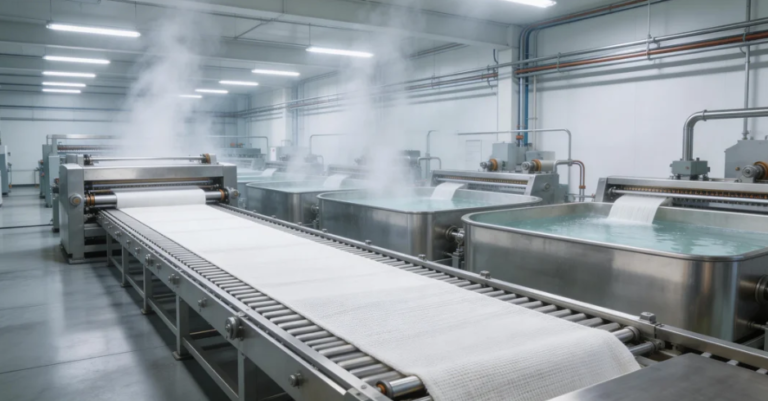
In industrial settings, glycerol serves as an increasingly important bio-based feedstock. Manufacturers typically use it in producing alkyd resins, specialized lubricants, and antifreeze formulations. Furthermore, its role as a precursor in chemical synthesis continues to expand rapidly as new technologies emerge. Consequently, industrial demand for high-quality glycerol continues to grow steadily across sectors.
Quality Considerations and Specifications
When selecting glycerol for specific applications, several quality parameters become crucially important. Different grades—such as USP for pharmaceutical use and technical grade for industrial applications—have distinctly different purity requirements. Therefore, users must carefully consider concentration levels, biological origin, and relevant certification standards. Ultimately, proper specification ensures optimal performance and regulatory compliance.
Conclusion
Glycerol remains an exceptionally versatile compound with continuously expanding applications. Its unique combination of physical and chemical properties ensures its continued relevance across multiple sectors. As technology evolves, researchers consistently discover new potential uses for this remarkably adaptable substance. Thus, glycerol maintains its position as a fundamentally important compound in modern industry and technology.