Ethylene Carbonate (EC): The Multi-Industry Performance Enabler
The Versatile Foundation of Modern Technology-Ethylene Carbonate
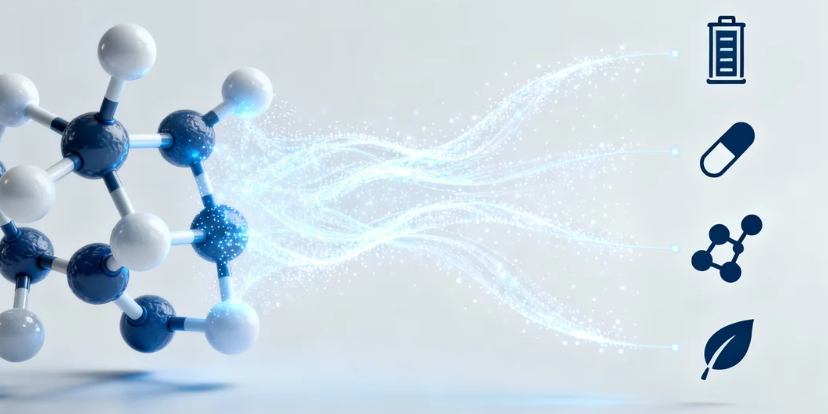
In today’s technology-driven industries, high-purity ethylene carbonate (EC) serves as a critical enabler across multiple sectors. This versatile organic compound functions as both an exceptional high-polarity solvent and a reactive intermediate, demonstrating indispensable value in fields ranging from new energy solutions to advanced pharmaceutical manufacturing.
Powering the Energy Transition
The most prominent application of ethylene carbonate lies in lithium-ion battery technology. As a key electrolyte component, EC facilitates the formation of stable solid electrolyte interphase (SEI) layers, significantly enhancing battery cycle life and low-temperature performance. Batteries utilizing premium-grade EC demonstrate superior safety and reliability in electric vehicles and energy storage systems. With accelerating global energy transition, purity requirements for battery-grade EC have become increasingly stringent—often demanding metal impurity levels at parts-per-billion ranges and moisture content below 50 ppm.
Enabling Precision Chemistry
Beyond energy storage, ethylene carbonate serves distinct purposes in fine chemical manufacturing. Its exceptional solvation capability and reactivity make it an efficient solvent for pharmaceutical intermediate synthesis, particularly in producing cephalosporin antibiotics and other critical drugs. Simultaneously, EC functions as a fundamental building block for polycarbonate derivatives, specialty polymers, and functional coatings, imparting enhanced weather resistance and mechanical properties to advanced materials.
Manufacturing Excellence Through Precision
Producing high-quality ethylene carbonate requires precise technological control. Modern manufacturing employs either transesterification of cyclic carbonates or catalytic carbonylation of ethylene oxide, followed by multi-stage molecular distillation and adsorption purification. Temperature management, catalyst selection, and impurity removal protocols directly determine the material’s performance in final applications.
Sustainable Innovation Pathways
In alignment with sustainable development principles, innovative green production methods for ethylene carbonate continue to evolve. Advanced approaches exploring carbon dioxide as a raw material not only improve resource utilization but also contribute to carbon cycling in the chemical industry. Concurrently, EC’s expanding applications in biodegradable materials address growing global demand for environmentally conscious solutions.
Technical Partnership Approach
When selecting ethylene carbonate suppliers, technical specifications represent only baseline considerations. True value lies in the supplier’s profound understanding of material science and their ability to provide customized solutions tailored to specific manufacturing processes. From electrolyte formulation optimization to pharmaceutical synthesis adaptation, professional technical support often proves more valuable than the product itself.
Our focus remains on facilitating continuous technical dialogue, helping partners understand the intrinsic relationships between material properties and final performance outcomes. In the chemical materials sector, genuine innovation frequently originates from reimagining fundamental materials and their application possibilities.