
Beyond the Formula: Unlocking the Power of EDTMPA, Industry’s Mighty Molecule
In the vast world of industrial chemistry, few compounds play such a critical yet often unseen role as EDTMPA. This powerful chelating agent is a workhorse behind the scenes, solving complex problems from the depths of oil wells to the water in our washing machines. But what exactly is EDTMPA, and what gives it such remarkable versatility across countless applications? Let’s dive into the science and utility of this fascinating chemical.
What is EDTMPA? A Primer on a Powerful Phosphonate
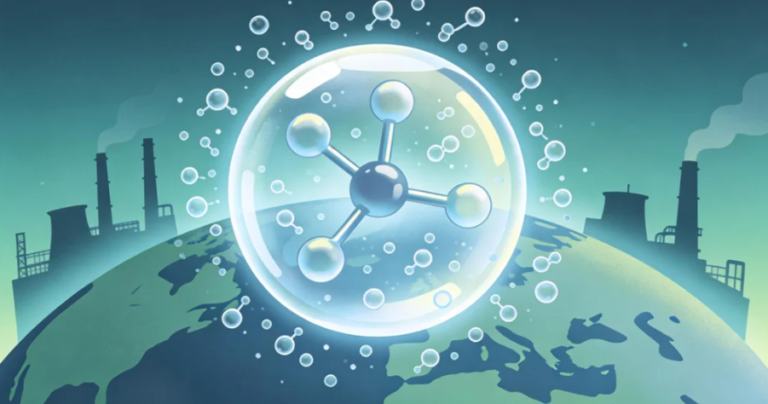
EDTMPA, or Ethylenediaminetetra(methylenephosphonic acid), is an organic phosphonate compound. Its superpower lies in its molecular structure, which features multiple sites capable of forming incredibly strong, stable bonds with metal ions. This process is known as chelation (from the Greek word “chele” for claw).
Unlike simpler acids that might precipitate metals, EDTMPA effectively “grabs” and sequesters metal ions like calcium, magnesium, iron, and manganese, keeping them dissolved in solution. This unique ability to control metal ions is the key to its widespread industrial value. For a deeper understanding of chelation chemistry, resources like the American Chemical Society provide excellent educational materials.
The Multifaceted Applications of EDTMPA
The utility of EDTMPA spans numerous sectors. Its primary function is always to manage metal ions, but the benefits this provides are diverse.
Revolutionizing Water Treatment and Scale Inhibition
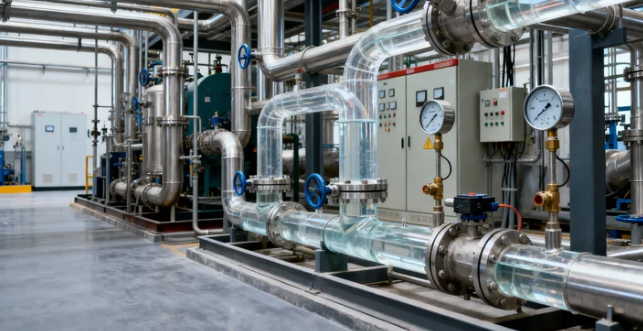
In industrial water systems, cooling towers, and boilers, dissolved metals are a primary cause of scale formation. Scale acts as an insulator, reducing efficiency, increasing energy costs, and leading to costly downtime for maintenance. As a highly effective scale inhibitor, EDTMPA prevents the crystallization and precipitation of these metals. Its excellent tolerance to high temperatures and pH stability makes it a preferred choice over other alternatives like EDTA, ensuring systems run smoothly and efficiently. The International Water Association often discusses the importance of advanced water treatment solutions.
Enhancing Detergents and Cleaning Formulations
In the detergent industry, hard water (water high in calcium and magnesium) is the enemy of foam and cleaning power. EDTMPA acts as a superior detergent builder, softening the water by chelating the metal ions. This allows the surfactants to work more effectively, resulting in brighter clothes and cleaner surfaces without unsightly scum or film.
Supporting the Textile and Oil & Gas Industries
The applications extend even further:
-
Textile Processing: EDTMPA is used to stabilize hydrogen peroxide during bleaching processes, ensuring a consistent, high-quality finish on fabrics without catalytic damage from trace metals.
-
Oilfield Services: In oilfield production, it is used as a scale squeezer treatment to prevent sulfate and carbonate scales in downhole formations and well equipment, protecting infrastructure and maintaining flow. Organizations like the Society of Petroleum Engineers publish research on the use of chemicals in enhanced oil recovery.
-
Other Uses: Its metal-chelating properties are also valuable in fertilizers, as a stabilizer in pulp and paper production, and in ceramics.
Why Molecular Structure Matters: The Science of Efficiency
The effectiveness of EDTMPA isn’t accidental. Its molecule is designed with multiple phosphonic acid groups attached to a nitrogen core. This structure allows it to exhibit a phenomenon called “threshold effect,” meaning it can inhibit scale formation at concentrations significantly lower than the stoichiometric amount of the scaling ion. This high efficiency makes it both economically and environmentally advantageous.
A Note on Environmental and Handling Considerations
As with all industrial chemicals, responsible handling and consideration of environmental impact are paramount. Modern wastewater treatment plants are equipped to handle phosphonates, and the industry continues to focus on developing sustainable practices for the entire lifecycle of chemical products.