EDTA-2Na in Agriculture: Enhancing Nutrient Availability and Crop Health
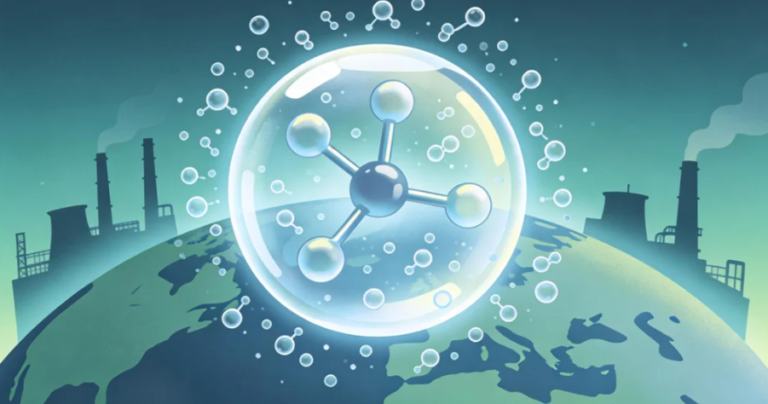
Ethylenediaminetetraacetic acid disodium salt (EDTA-2Na) is a versatile chelating agent widely used in modern agriculture. Its primary function lies in binding metal ions such as calcium (Ca²⁺), magnesium (Mg²⁺), iron (Fe²⁺/Fe³⁺), and zinc (Zn²⁺), thereby preventing these essential nutrients from forming insoluble compounds in soil or fertilizer solutions.
Key Benefits in Agriculture
-
Improves Nutrient Absorption
By forming stable, water-soluble complexes with essential micronutrients, EDTA-2Na helps maintain nutrient solubility in the soil. This improves plant nutrient uptake and increases overall fertilizer efficiency, reducing losses caused by precipitation or soil fixation. -
Prevents Micronutrient Deficiency
In alkaline or calcareous soils, key micronutrients such as iron and zinc often become inaccessible to plants. EDTA-2Na chelates these nutrients, making them plant-available and helping to prevent common deficiency symptoms like chlorosis. This leads to stronger growth and improved crop yields. -
Compatible with Various Fertilizers
EDTA-2Na can be incorporated into a wide range of agricultural inputs—including solid and liquid fertilizers, foliar sprays, and hydroponic solutions. Its versatility makes it suitable for diverse farming systems and application methods -
Environmentally Friendly and Safe
When used as directed, EDTA-2Na is a stable and efficient additive that supports sustainable farming. By improving nutrient use efficiency, it helps minimize fertilizer waste and potential environmental impact.
Typical Applications
-
Chelated micronutrient fertilizers (Fe-EDTA, Zn-EDTA, Mn-EDTA, Cu-EDTA)
-
Foliar sprays for correcting nutrient deficiencies
-
Hydroponic nutrient solutions
-
Soil conditioners and drip irrigation systems
At Hainan Sincere Industries, we supply high-purity EDTA-2Na with excellent solubility and stable performance, trusted by agricultural formulators and distributors worldwide. Our product helps farmers achieve higher yields, healthier crops, and more sustainable farming practices.