Chitosan Nanoparticles|Turning Seafood Waste into a Green Solution Against Biofilms
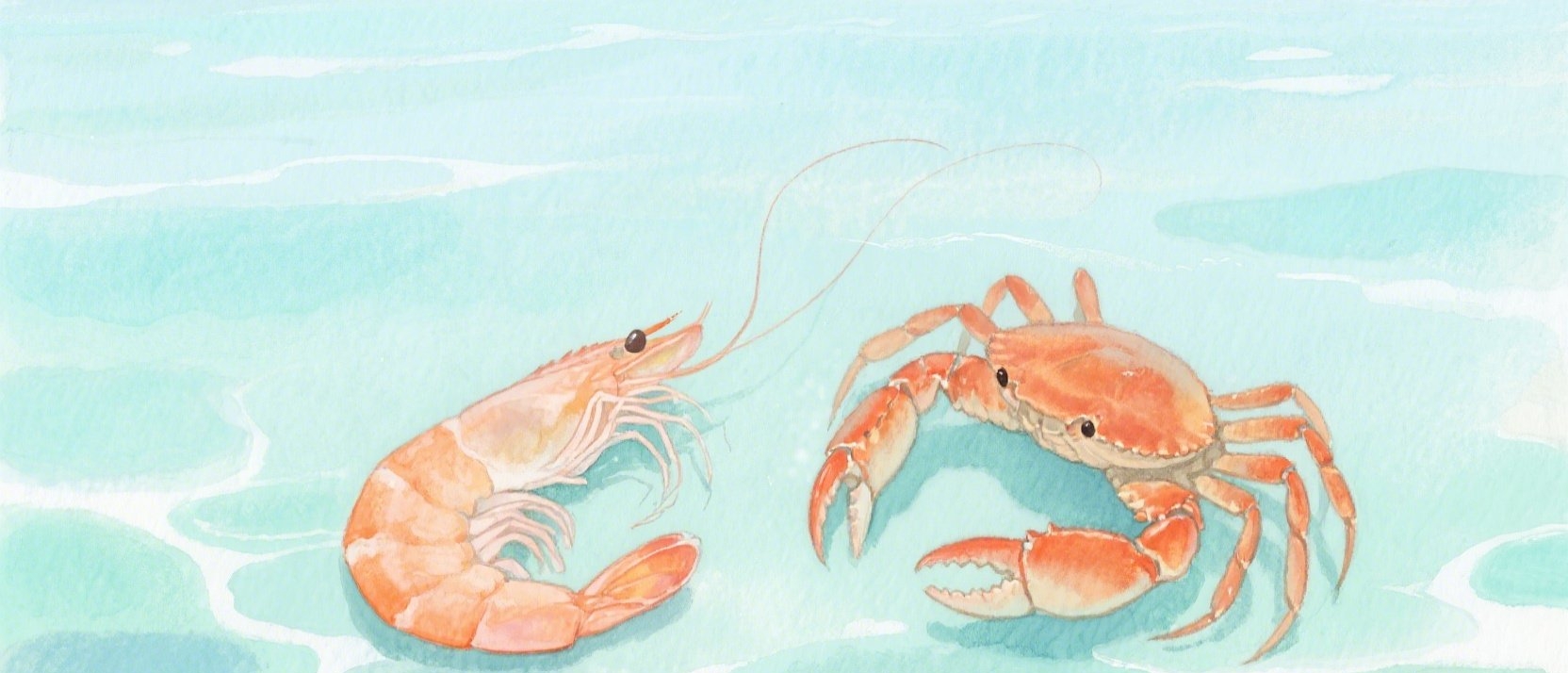
Microbial biofilms are one of today’s biggest healthcare challenges. These sticky, protective layers formed by bacteria and fungi make infections hard to treat and significantly increase resistance to antibiotics—sometimes by over 1,000 times. But nature may hold the key: Chitosan, a natural compound extracted from shrimp and crab shells, is showing powerful potential as a sustainable weapon against biofilms.

A Breakthrough: Chitosan Meets Nanotechnology
Researchers from the National Research Centre of Egypt, along with other institutions, recently published a study in Scientific Reports that explores an innovative use of chitosan. They extracted it from shrimp shell waste and used it to create salicylic acid-loaded chitosan nanoparticles.
Using four different crosslinking methods—TPP, glutaraldehyde, sodium alginate, and others—they developed nanoparticles sized between 226–287 nm with high zeta potentials (up to +41.3 mV), indicating good dispersion and stability. Among the four, the formulation using sodium alginate (M4) was the most eco-friendly and effective.
How It Works: Triple Mechanism Against Biofilms
In lab tests, the chitosan nanoparticles achieved up to 85% inhibition of Candida albicans biofilm formation. They also proved safe for human skin fibroblast cells, meeting ISO 10993-5 biocompatibility standards. Here’s how they work:
-
Physical disruption: Chitosan’s positive charge breaks apart the negatively charged biofilm matrix.
-
Ion chelation: It binds essential metal ions needed for microbial growth.
-
QS interference: It blocks quorum sensing—the microbial “communication” system that drives biofilm formation.
Sustainable, Safe, and Ready for the Future
What makes this research even more promising is its alignment with global sustainability goals. The sodium alginate method avoids the use of organic solvents, making the production process cleaner and safer. This directly supports the UN Sustainable Development Goals (SDG 3 – Health, SDG 12 – Responsible Consumption, and SDG 13 – Climate Action).
The researchers have shown that seafood waste—normally discarded—can be transformed into high-value, eco-friendly medical materials with strong anti-biofilm potential.
What’s Next?
Looking ahead, further research will explore how to improve the release behavior of the nanoparticles and evaluate their ability to break down already-formed biofilms. The future is bright for chitosan technology—whether in treating chronic infections, improving wound dressings, or enhancing medical coatings.
Interested in what chitosan can do for your industry or research? Contact Us for Samples or Technical Support