Chitosan-Based Materials: A Natural Treatment of Toxic Chromium in Water
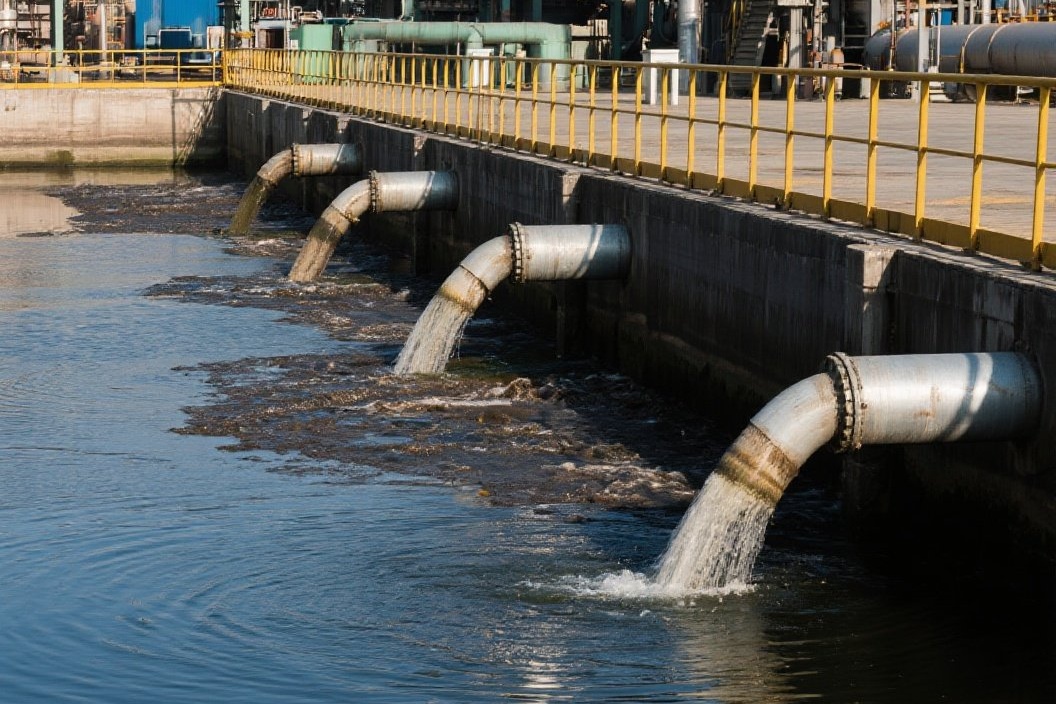
Industrial wastewater pollution has become a pressing global challenge. Hexavalent chromium (Cr(VI)) is particularly concerning. It is widely present in wastewater from industries such as leather processing and metal electroplating. It is highly toxic and carcinogenic, and can migrate rapidly in water. The World Health Organization sets a limit of 0.05 mg/L for Cr(VI) in drinking water, yet concentrations in many industrial wastewaters far exceed this level. Removing this hazardous substance efficiently and sustainably remains a challenging task.
Why Chitosan Matters
In the search for solutions, chitosan has gradually come into the attention of researchers. Chitosan is a natural polysaccharide derived from the shells of crustaceans such as shrimp and crabs. It is not only renewable and biodegradable, but also contains a rich variety of functional groups that can bind to heavy metals and various pollutants.
When chitosan is combined with metal oxides (such as lanthanum and copper), it forms a more functional hybrid material. This material not only adsorbs Cr(VI) from water but also converts it into the less toxic Cr(III). In other words, they possess both “capture” and “conversion” functions, giving them great potential for wastewater treatment.
Recent Findings
In recent research, scientists have developed a “copper-doped lanthanum oxide@chitosan” composite material using a green and simple method. Experimental results show that this composite exhibits excellent adsorption capacity under acidic conditions, removing significant amounts of Cr(VI) in just two hours. More importantly, it is not only highly efficient but also stable and reusable. Even in the presence of competing ions, the material maintains its excellent performance and remains effective after multiple cycles.
The study further revealed its mechanism of action. The charged groups of chitosan interact with the active surface of the metal oxide, enabling the Cr(VI) removal process to combine electrostatic attraction, surface complexation, and chemical reduction. This synergistic effect significantly enhances the composite’s adsorption efficiency.
Why This Matters for the Future
Traditional heavy metal removal often relies on complex or expensive processes, but chitosan-based composites offer a simpler and more sustainable approach. They are derived from a natural byproduct—crustacean waste—and their preparation process is environmentally friendly and cost-effective. Furthermore, their high efficiency and reusability make them highly promising for practical applications.
This research reminds us that chitosan is not just a common raw material in the food and biopharmaceutical industries; it can also be a powerful tool for environmental protection. It builds a bridge between biomaterials and environmental governance, providing new insights for future water treatment technologies.
Key Takeaway
Chitosan-based hybrid adsorbents are showing potential as game-changers in wastewater treatment. They have the potential to help industries reduce pollution emissions while protecting water resources and ecological health.
Do you believe that natural polymers like chitosan will become mainstream solutions for water treatment in the future?
Disclaimer: This article is intended solely for the purpose of sharing and exchanging academic research findings and has no commercial purpose. The copyright of any reprinted article belongs to the original author. If any infringement occurs, please contact us to modify or delete it promptly.