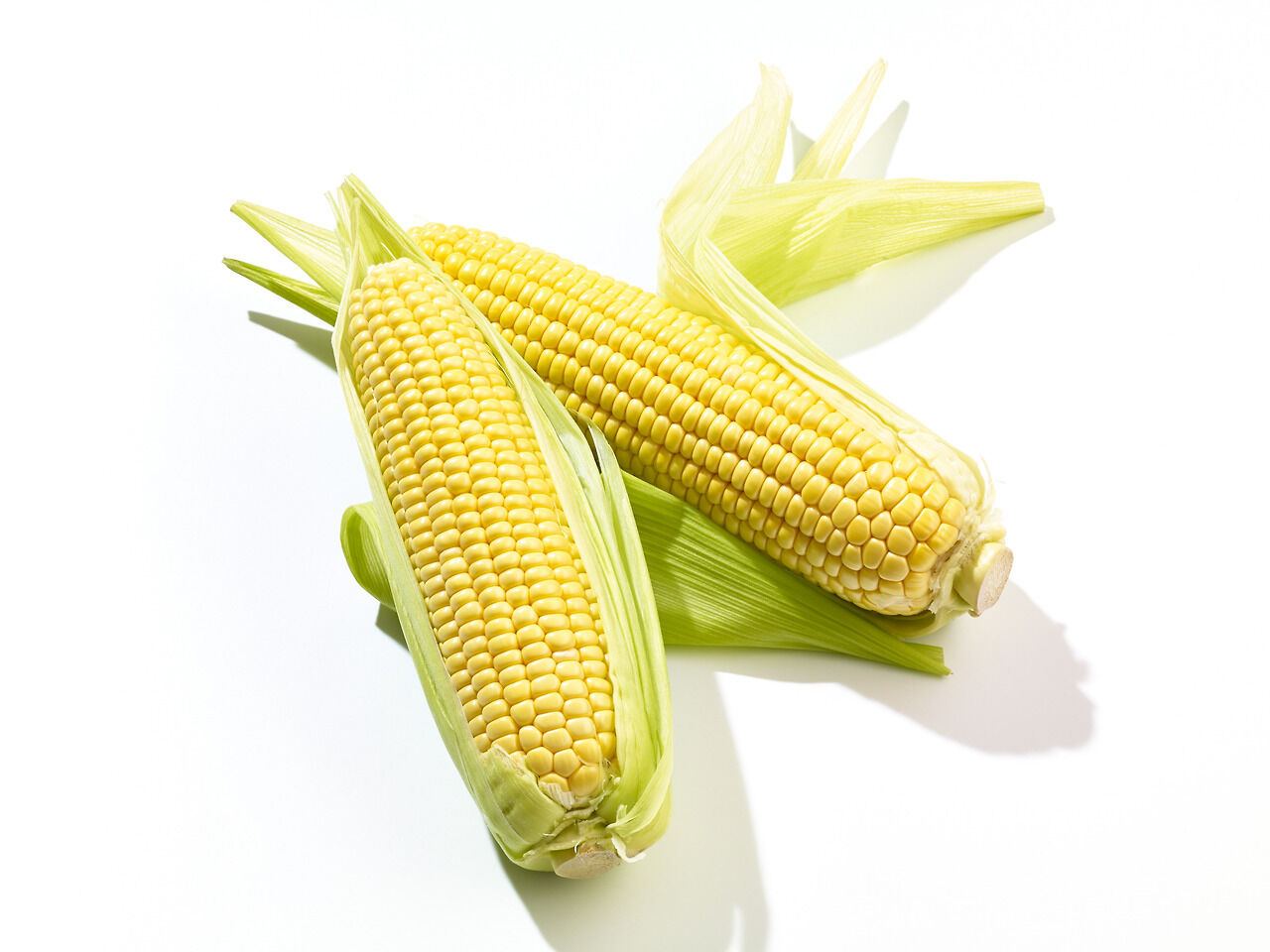
Bio-Chemical Materials Born from Corn🌽
As the bio-manufacturing industry accelerates worldwide, corn is evolving from a traditional food crop into a strategic renewable feedstock for energy, materials, and chemicals. Supported by mature fermentation and bioconversion technologies, corn-based pathways are now enabling large-scale production of biofuels and bio-based materials, reshaping the foundation of modern manufacturing.
Corn: A Cornerstone of Bio-Manufacturing
With its stable supply, high starch content, and well-established agricultural and logistics systems, corn has become one of the most widely used carbon sources in global bio-manufacturing. From energy fuels to biodegradable plastics and bio-based monomers, corn plays a central role across multiple industrial value chains.
The importance of corn can be clearly illustrated through several mainstream bio-based products:
-
Fuel Ethanol: Producing 1 ton of fuel ethanol requires approximately 3 tons of corn. In 2022, China produced about 2.57 million tons of fuel ethanol, consuming nearly 7.5 million tons of corn.
-
Polylactic Acid (PLA): About 1.5 tons of corn are required to produce 1 ton of lactic acid, and 1.5 tons of lactic acid are further polymerized into 1 ton of PLA. Overall, around 2.3 tons of corn are consumed per ton of PLA.
-
Bio-based Nylon (Nylon 56 as an example): Approximately 2.57 tons of corn are fermented to produce 1 ton of lysine. Considering decarboxylation losses and reaction yields, about 2 tons of lysine are required to produce 1 ton of pentamethylenediamine, corresponding to roughly 5 tons of corn per ton of diamine.
-
PHA Family Materials: Each ton of PHA consumes about 5 tons of corn. PHA is mainly used in biodegradable plastics and is currently in the early market adoption stage, with a global market size at the kiloton level and an estimated annual corn consumption of around 5,000 tons.
Bio-based Succinic Acid: A Key Link from Corn to Materials
Among various bio-based platform chemicals, bio-based succinic acid stands out due to its versatile molecular structure and broad downstream applications. It serves as a critical bridge connecting corn-derived carbon to bio-based materials.
-
Feedstock Efficiency: Approximately 2.5 tons of corn are required to produce 1 ton of bio-based succinic acid via fermentation.
-
Market Scale: Global demand for succinic acid is around 30,000 tons per year. About 60% is used in food, flavor & fragrance, and pharmaceutical applications, while roughly 10,000 tons are consumed in bio-based materials, corresponding to an estimated corn demand of 25,000 tons.
Through advanced fermentation processes, carbon from corn is efficiently converted into succinic acid, which is further utilized in the production of PBS, PBAT-modified materials, bio-based polyesters, biodegradable plastics, and a wide range of specialty chemicals.
A Sustainable Pathway for Advanced Materials
Compared with conventional petrochemical routes, corn-based bio-succinic acid offers clear sustainability advantages:
-
Renewable and traceable raw material sources
-
Potentially lower carbon footprint
-
Proven industrial scalability
-
Excellent compatibility with downstream polymer systems
From corn fields to fermentation tanks, and from bio-based intermediates to high-performance materials, bio-based succinic acid is becoming an indispensable building block in the bio-manufacturing ecosystem.
Conclusion
Corn is no longer just a food crop—it is a renewable carbon asset for the bio-manufacturing era. Represented by bio-based succinic acid, materials born from corn are stepping out of agriculture and into a broader, more sustainable material future.
Starting from corn, enabling a sustainable materials world.