Ammonium Polyphosphate vs. Conventional Phosphate Fertilizers
For decades, phosphate fertilizer management has been a balancing act: applying enough to feed crops, while knowing much of it won’t be used.The result? Rising costs, environmental concerns, and plateauing efficiency. The emergence of Ammonium Polyphosphate (APP) represents a fundamental shift, moving us from a paradigm of quantity to one of precision and responsibility.
Why Do Plants Starve Amidst Plenty?
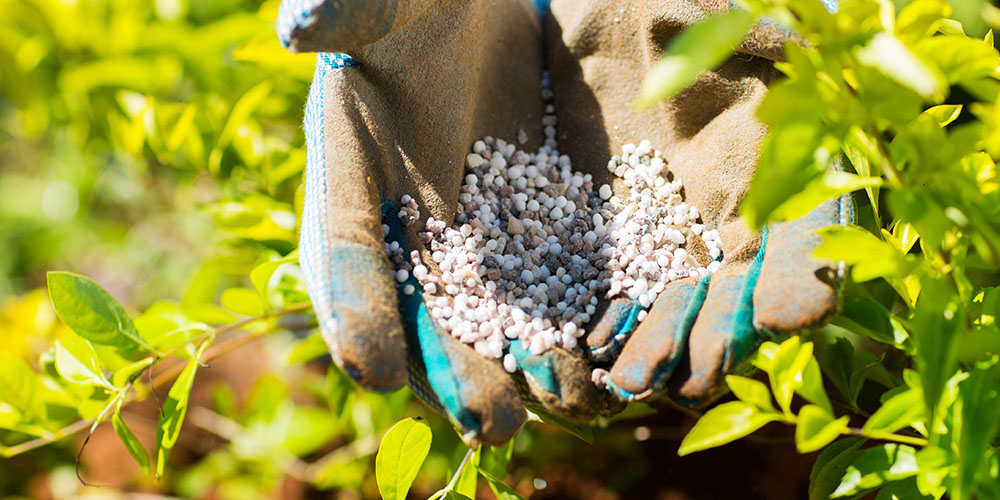
Traditional water-soluble phosphate fertilizers, like MAP or DAP, face a brutal fate upon soil contact. A significant portion becomes rapidly “fixed” – locked into insoluble compounds by calcium, iron, or aluminum in the soil. This means plant-available phosphorus (P) uptake can be as low as 10-25%. It’s an inefficient system where we must over-apply to ensure enough reaches the crop, leading to inherent waste and runoff risks.
Controlled Release & Chelation
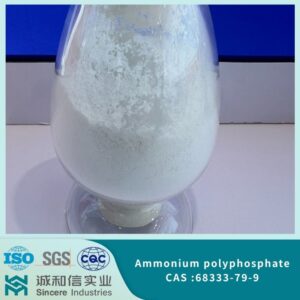
APP works differently. Its polymeric structure hydrolyzes gradually in soil. providing a steady, controlled release of plant-available orthophosphate. This syncs nutrient supply more closely with crop demand cycles. Crucially, the released polyphosphate ions act as a powerful chelating agent, temporarily binding with soil cations (Ca²⁺, Mg²⁺, Fe³⁺) that would normally immobilize P. This not only protects APP’s own phosphorus but also enhances the bioavailability of vital micronutrients like zinc and iron already in the soil.
A Side-by-Side Comparison
Let’s translate mechanism into measurable outcomes:
- Nutrient Use Efficiency (NUE):APP can boost P utilization to 70% or higher, dramatically reducing the volume of fertilizer required per hectare.
- Soil Adaptability:It performs exceptionally well in calcareous, alkaline, or high-P-fixing soils where traditional fertilizers struggle most.
- Application Flexibility:Its high solubility and compatibility make it the ideal P-source for modern fertigation. Drip irrigation, and foliar sprays, enabling true precision agriculture.
- Environmental Footprint:By drastically reducing leaching and runoff potential, APP minimizes the risk of eutrophication in water bodies.
Beyond Phosphorus: Ammonium Polyphosphate Fertilizer Advantage
Ammonium Polyphosphate isn’t just a smarter phosphorus source. As an N-P compound fertilizer, it delivers both phosphorus and nitrogen (in the ammonium form). This synergistic supply promotes stronger early root and shoot development. Further enhancing the plant’s ability to uptake and utilize all nutrients—a holistic approach to plant nutrition.
What’s been your experience or perspective on the shift toward higher-efficiency, controlled-release fertilizer technologies?