
Industrial Demand Supports Growth of Dibutyl Maleate Across Key Sectors
Introduction to Dibutyl Maleate
Dibutyl Maleate (DBM) plays an important role in modern industrial production. Manufacturers use this chemical in coatings, adhesives, plastics, and polymer processing because it offers excellent flexibility and compatibility. In addition, DBM provides stable chemical performance, which makes it suitable for many industrial formulations.
Today, many industries continue to search for materials that improve production efficiency and product quality. Therefore, it remains a popular choice in global chemical markets.
What is Dibutyl Maleate?
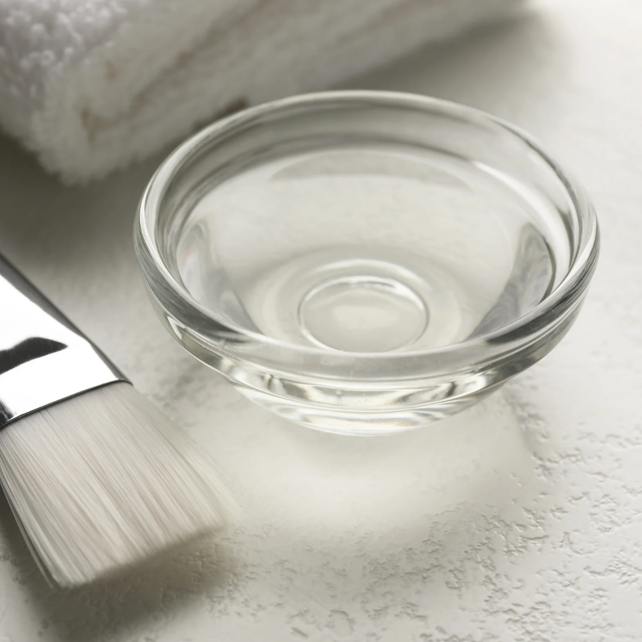
Dibutyl Maleate is a transparent oily liquid with good solubility and low volatility. Most manufacturers use it as a plasticizer, copolymer monomer, or chemical intermediate. Moreover, the product works well with different resin systems and polymer materials.
Because of its balanced properties, DBM helps manufacturers improve flexibility and processing performance at the same time.
Main Characteristics of Dibutyl Maleate
- Good flexibility enhancement
- Excellent resin compatibility
- Stable chemical properties
- Low volatility
- Smooth processing performance
As a result, many industrial sectors continue to increase their demand for this material.
Main Applications of Dibutyl Maleate
Coatings and Paints
Manufacturers add it to coatings and paints to improve flexibility and adhesion. Furthermore, DBM helps coatings maintain durability under changing environmental conditions. For example, industrial coatings often require better weather resistance and surface stability.
Adhesives and Sealants
Many adhesive producers use DBM to improve elasticity and bonding strength. In addition, the material supports better flexibility in pressure-sensitive adhesives and industrial sealants.
Plastic and Polymer Industry
Plastic manufacturers also use it during polymer processing. It improves softness, enhances flexibility, and supports smoother manufacturing operations. Therefore, many polymer formulations include DBM as a functional additive.
Chemical Intermediate
Besides industrial applications, DBM also serves as an important intermediate in organic synthesis. Chemical companies use it to produce specialty chemicals, copolymers, and resin modifiers.
Advantages of Dibutyl Maleate
It offers several practical advantages for industrial manufacturers. First, it improves product flexibility without reducing processing efficiency. Second, it supports better compatibility with various materials. Moreover, its stable properties help manufacturers maintain consistent product quality.
Key Benefits
- Improves flexibility
- Enhances durability
- Supports efficient processing
- Works well with multiple resin systems
- Fits various industrial applications
Because of these advantages, DBM continues to gain attention in global markets.
Market Outlook for Dibutyl Maleate
The global demand for high-performance industrial materials continues to grow. Consequently, more manufacturers now use it in coatings, plastics, adhesives, and advanced polymer systems. In the coming years, the market will likely maintain stable growth because industries continue to prioritize material performance and production efficiency.
As a professional chemical exporter, Hainan Sincere Industries Co., Ltd. provides Dibutyl Maleate products for international customers and industrial applications worldwide.