DTPA vs. Pentasodium DTPA: Key Differences
Diethylenetriaminepentaacetic acid (DTPA) and its sodium salt, pentasodium DTPA, are both widely used chelating agents with distinct chemical properties and industrial applications. While they share the same core functional group responsible for binding metal ions, their differences in solubility, pH stability, and practical usage make them suitable for specific scenarios. Understanding these variations is crucial for selecting the right compound for a given application.
Solubility
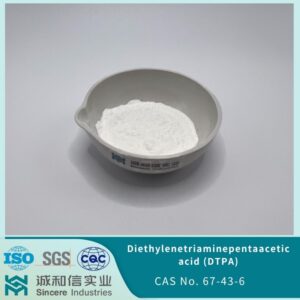
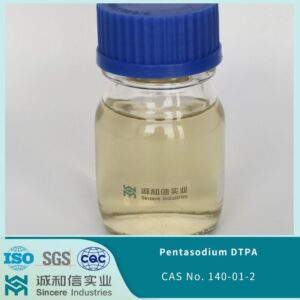
DTPA, in its free acid form, has limited solubility in water, which can restrict its use in aqueous systems. In contrast, pentasodium DTPA, being a sodium salt, dissolves much more readily in water, making it a preferred choice for liquid formulations such as detergents, cleaning agents, and water treatment solutions. This enhanced solubility allows for easier handling and more efficient distribution in industrial processes.
pH conditions
DTPA performs optimally in acidic to neutral environments, where its chelation efficiency remains high. However, in strongly alkaline conditions, its effectiveness may decline. Pentasodium DTPA, on the other hand, is more stable in alkaline solutions, making it particularly useful in industries like textile processing and pulp bleaching, where high pH levels are common. This pH adaptability expands its range of applications compared to the free acid form.
Uses
From a practical standpoint, the choice between DTPA and pentasodium DTPA often depends on the intended use. In agriculture, for example, DTPA is sometimes used in micronutrient fertilizers due to its ability to bind and deliver essential metal ions. Meanwhile, pentasodium is frequently employed in household and industrial cleaning products. Its superior solubility and stability in formulated liquids provide better performance.
Cost and handling
While pentasodium offers ease of use in liquid systems, it may come at a slightly higher price. Due to the additional processing required to produce the sodium salt. DTPA, being the base compound, is often more economical but may require additional steps, such as pH adjustment or solubilizing agents.
Environmental and regulatory factors
Both compounds are subject to scrutiny regarding biodegradability and ecological impact. But pentasodium’s widespread use in consumer products means it often undergoes more rigorous compliance checks. Companies aiming for greener formulations may explore alternatives, but for many industries, the balance between performance, cost, and regulatory acceptance makes DTPA and its sodium salt indispensable.
In summary, while DTPA and pentasodium share a common chelating function, their differences in many ways. Selecting the right form depends on the specific requirements of the process, whether it involves water treatment, cleaning formulations, agriculture, or other specialized uses. By understanding these distinctions, manufacturers and researchers can optimize their formulations for maximum efficiency and compliance.