
The Invisible Alchemist: How 1,2-Propanediol Transforms Everyday Experiences
If you’ve ever enjoyed the creamy texture of ice cream, relied on the consistent effectiveness of medication, or appreciated the eco-friendly shift in industrial solvents, you’ve encountered the work of 1,2-Propanediol. Often operating behind the scenes, this multifaceted compound is a silent enabler of innovation across countless industries.
What Is 1,2-Propanediol?
1,2-Propanediol, also known as propylene glycol, is a synthetic organic compound with a unique set of properties:
-
Solvency: It dissolves a wide range of substances.
-
Humectancy: It retains moisture effectively.
-
Low toxicity: It is safe for use in food, pharmaceuticals, and cosmetics.
-
Biodegradability: It breaks down efficiently, reducing environmental impact.
These characteristics make it an invaluable ingredient in everything from life-saving drugs to sustainable industrial solutions.
Everyday Applications of 1,2-Propanediol
-
Pharmaceuticals
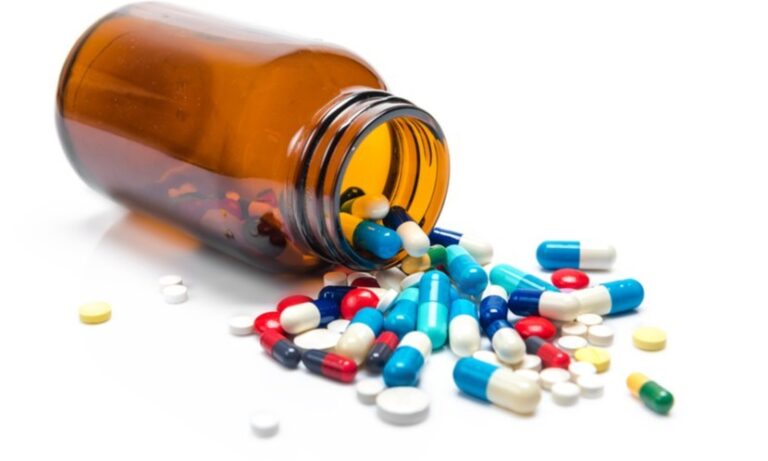
In medicines, 1,2-Propanediol acts as a solvent and stabilizer, ensuring precise dosing and efficacy in injectables, oral solutions, and topical creams. Its safety and reliability are endorsed by global regulatory bodies like the FDA and WHO. -
Food and Beverages
As food additive E1520, it maintains moisture in baked goods, enhances flavors in beverages, and prevents crystallization in frozen desserts. Its use aligns with food safety standards worldwide. -
Industrial and Sustainable Solutions
From low-toxicity antifreeze to biodegradable solvents, this compound is paving the way for greener industrial practices. It also serves as a key component in:-
Eco-friendly de-icing fluids.
-
Renewable polymer production.
-
Energy storage systems.
-
-
Personal Care and Cosmetics
In shampoos, lotions, and toothpaste, it improves texture, stability, and absorption of active ingredients.
The Future of 1,2-Propanediol
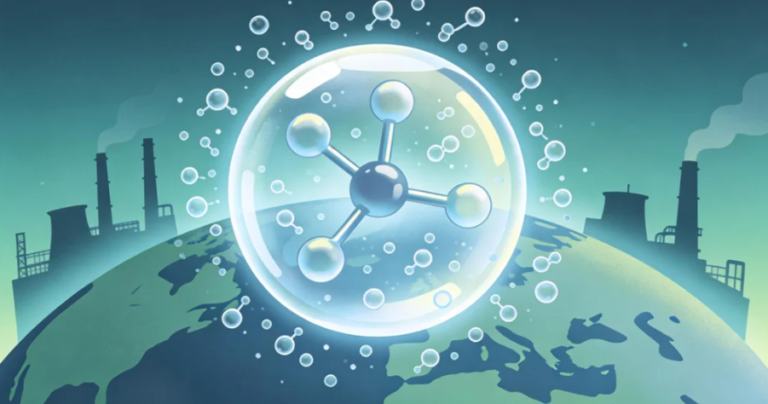
As global industries prioritize sustainability, bio-based production methods for 1,2-Propanediol are gaining traction. By fermenting plant-derived materials, manufacturers can create a renewable version of this compound that aligns with circular economy principles. Researchers are also exploring its potential in emerging fields like carbon capture and bio-plastics.
Why Quality and Innovation Matter
The performance of 1,2-Propanediol depends on rigorous quality control and cutting-edge manufacturing processes. From pharmaceutical-grade purity to industrial-scale consistency, attention to detail ensures this compound meets the evolving needs of diverse sectors.