
Octanoic Acid (Caprylic Acid) | Properties and Uses
An Overview of Octanoic Acid
Octanoic Acid, which people commonly refer to as Caprylic Acid, is a naturally occurring medium-chain fatty acid. For instance, you can find it in sources like coconut oil and palm kernel oil. As a C8 fatty acid, it offers distinct properties that make it highly versatile across different industries.
Key Properties and Functional Characteristics
This compound typically appears as an oily liquid at room temperature and carries a characteristic odor. Manufacturers and researchers value it particularly for its functional roles. Specifically, it acts as an effective antimicrobial agent and emulsifier. Moreover, its relatively short carbon chain enhances solubility and metabolic processing compared to longer-chain fatty acids, which facilitates various applications.
Common Applications Across Industries
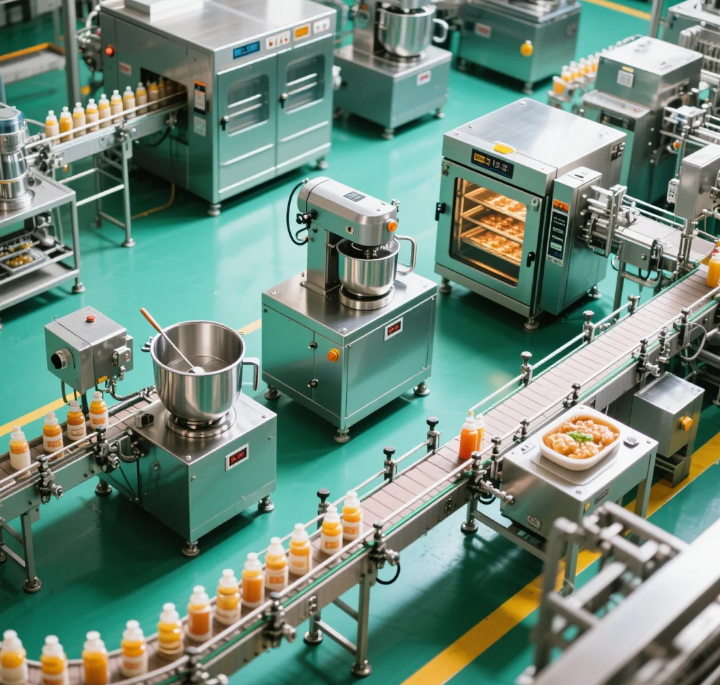
Octanoic Acid serves multiple purposes in industrial and commercial contexts. In the food industry, for example, producers use it as a flavoring agent and a natural preservative. Similarly, within cosmetic formulations, it functions as an emollient and a component in fragrances. Furthermore, the pharmaceutical sector employs it as a key intermediate in synthesizing certain drugs. Beyond these, industrial applications include the manufacturing of dyes, plastics, and synthetic lubricants.
Specifications and Handling Guidelines
Commercial-grade Octanoic Acid usually maintains a purity level of 99% or higher. For proper storage, users should keep it in a cool, dry environment and away from strong oxidizers. Additionally, it is crucial to follow standard safety protocols for handling carboxylic acids, which includes using appropriate personal protective equipment at all times.
Regulatory and Safety Context
Many regulatory jurisdictions generally recognize Octanoic Acid as safe for use in food applications, provided users adhere to established guidelines. Consequently, industrial users should always consult the relevant safety data sheets and ensure compliance with local regulations concerning the handling, storage, and disposal of this chemical substance.
Technical and Industry Perspective
The global production of Octanoic Acid involves both natural extraction and synthetic processes, with manufacturing capacity spread across several regions. Importantly, industry specifications vary to meet different application demands, leading to the availability of specialized grades for food, cosmetic, pharmaceutical, and technical uses.