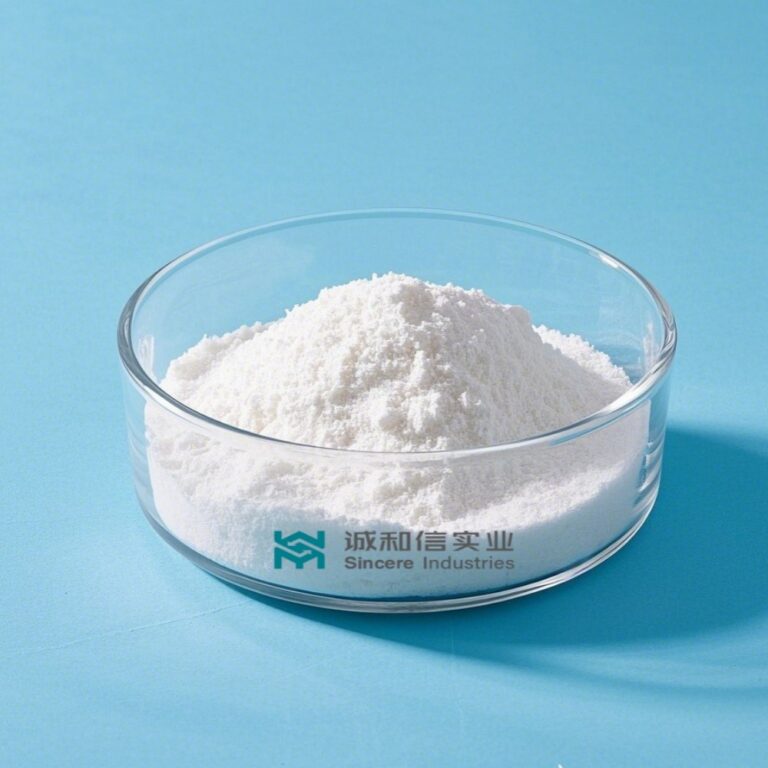

The Secret Ingredient Supercharging Your Battery and Beyond: A Look at Lithium Trifluoromethanesulfonate
In the quest for better batteries and smarter chemicals, one compound is quietly powering progress. Discover why Lithium Trifluoromethanesulfonate is a cornerstone of modern innovation.
The world of advanced chemistry is filled with complex molecules that enable the technologies of tomorrow. Among them, Lithium Trifluoromethanesulfonate (often abbreviated as LiOTf or lithium triflate) stands out. It is not famous, but it is remarkably useful. This versatile lithium salt is a critical component in many fields. For instance, it is essential in energy storage and pharmaceutical development. Professionals prize it for its unique chemical properties.
For engineers, researchers, and product developers, understanding this compound’s capabilities is key. Ultimately, it unlocks new possibilities.
What Exactly is Lithium Trifluoromethanesulfonate?
Lithium Trifluoromethanesulfonate is an inorganic salt with the formula LiCF₃SO₃. Essentially, it is the lithium salt of trifluoromethanesulfonic acid. Its value comes from a powerful combination of characteristics:
-
High Thermal and Chemical Stability: It remains stable under extreme conditions. Consequently, this makes it reliable for demanding applications.
-
Excellent Solubility: It dissolves readily in a wide range of organic solvents and also in water. This property is crucial for formulating electrolytes and reaction mixtures.
-
Strong Electrolytic Properties: As a source of lithium ions (Li⁺), it facilitates efficient ion transport. This process is fundamental in batteries.
-
Weakly Coordinating Anion: The triflate anion (CF₃SO₃⁻) does not interfere strongly in reactions. Therefore, it is an excellent choice for catalysis.
Because of these properties, LiOTf is often preferred over other lithium salts. For example, lithium perchlorate can be explosive. Similarly, lithium hexafluorophosphate is sensitive to moisture.
Key Applications Powering Innovation
The unique profile of Lithium Trifluoromethanesulfonate allows it to play a pivotal role. Specifically, it is vital in several high-tech industries.
1. Electrolytes in Lithium-Ion Batteries
This is one of its most significant applications. As an electrolyte salt, LiOTf provides the essential lithium ions. These ions shuttle between the anode and cathode during charging and discharging. Its stability and high conductivity contribute to safer, more efficient batteries. Moreover, these batteries can operate over a wider temperature range. This is vital for electric vehicles (EVs) and large-scale energy storage systems (ESS).
2. Catalyst and Reagent in Organic Synthesis
In the pharmaceutical and agrochemical industries, chemists use LiOTf as a potent Lewis acid catalyst. It accelerates a variety of reactions. These include Diels-Alder reactions and Friedel-Crafts alkylations. Often, it achieves high yield and selectivity. Since it is weakly coordinating, it works without causing unwanted side reactions.
3. Specialty Polymers and Plastics
Furthermore, LiOTf is used in producing specialty polymers. For instance, it acts as a curing agent for certain epoxy resins. It is also a component in polymer electrolytes. These advanced materials are used in coatings, adhesives, and next-generation flexible electronics.
4. Other Niche Applications
Finally, its utility extends to other areas. These include electroplating processes and analytical chemistry. It is also used as a stabilizer in certain chemical formulations.
The Importance of Quality and Consistency
For these applications to perform reliably, quality is non-negotiable. Specifically, the quality of the Lithium Triflate compound is critical. Impurities can drastically reduce performance. For example, they can shorten a battery’s lifespan or contaminate a sensitive synthesis. Therefore, sourcing from reputable suppliers is paramount. These suppliers must adhere to strict purification and quality control protocols.
As research continues, the demand for high-performance chemicals is growing. Obviously, Lithium Trifluoromethanesulfonate is a critical enabler. It supports the global shift towards advanced energy and sophisticated chemical manufacturing.