Ingesting Chitosan May Help Remove Microplastics from the Body
Microplastics: A Hidden Threat in Everyday Food
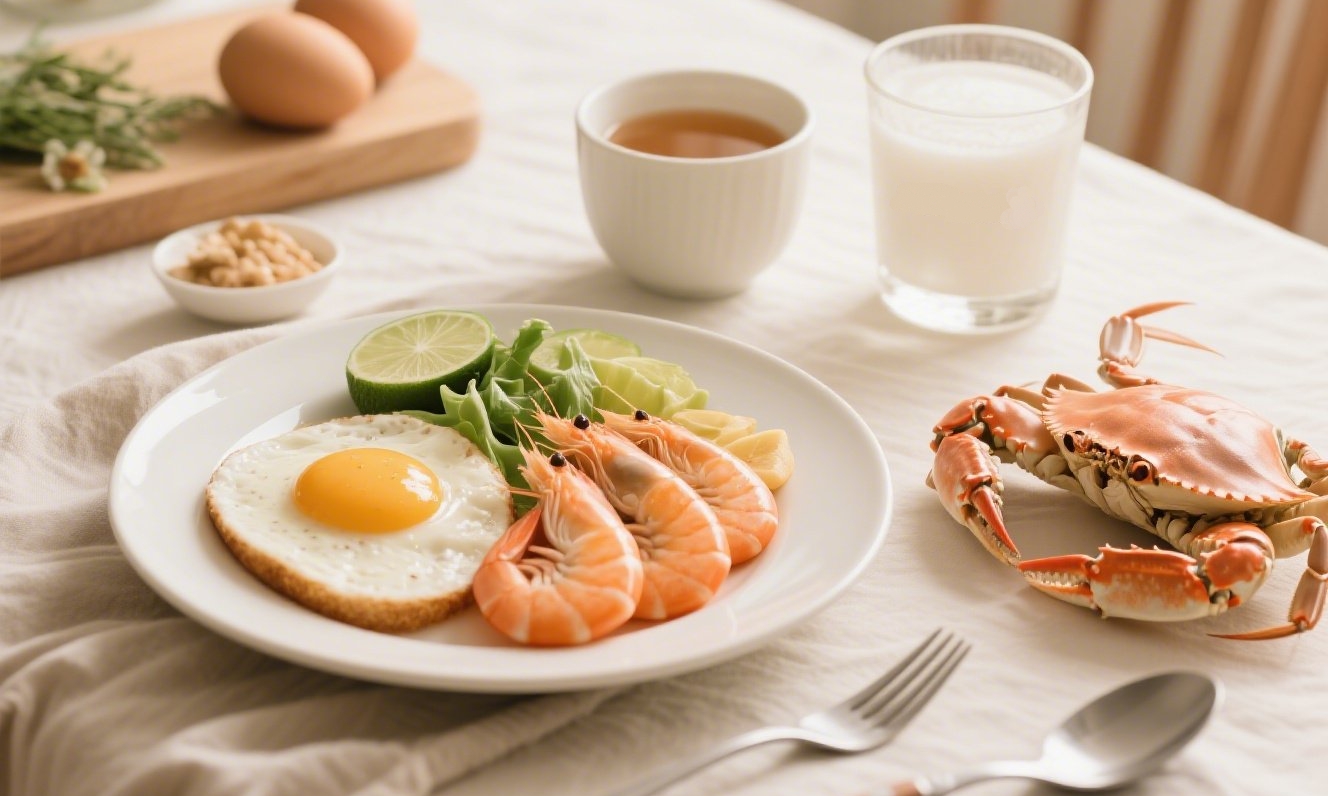
Microplastics (MPs) are tiny plastic fragments—less than 5 millimeters in size—that have been found in everyday food items such as table salt, bottled water, and soft drinks. These particles can enter the body through food consumption and accumulate in the gut, bloodstream, and even organs like the liver.
Researchers have already detected MPs in human feces, raising growing concerns about the long-term health risks associated with microplastic exposure.
A Promising Solution: Chitosan as a Dietary Defense
In April 2025, a research team in Japan conducted a study to determine whether non-digestible dietary materials could assist in removing microplastics from the body. Using a rat model, they compared the effects of four different substances: indigestible dextrin (a soluble fiber derived from corn), lactosucrose (a synthetic sugar composed of lactose and sucrose), eggshell membrane proteins (a type of non-digestible protein), and chitosan, an insoluble fiber sourced from shellfish. Among these materials, chitosan stood out for its remarkable ability to promote microplastic excretion. The rats that received chitosan in their feed showed significantly higher elimination rates of polyethylene microplastics, suggesting that this natural compound could play a meaningful role in reducing microplastic retention in the digestive system.
Key Findings from the Study
Rats fed with chitosan alongside microplastics exhibited:
-
A 38% increase in MP excretion compared to the control group
-
Reduced retention of MPs in the intestines
-
Increased fecal output
Specifically, over a 144-hour period:
-
The control group excreted 83.7% ± 3.8% of ingested MPs
-
The chitosan group excreted 115.6% ± 4.5%, suggesting that chitosan helped remove not only the ingested MPs but possibly those previously accumulated
Why Is Chitosan Effective?
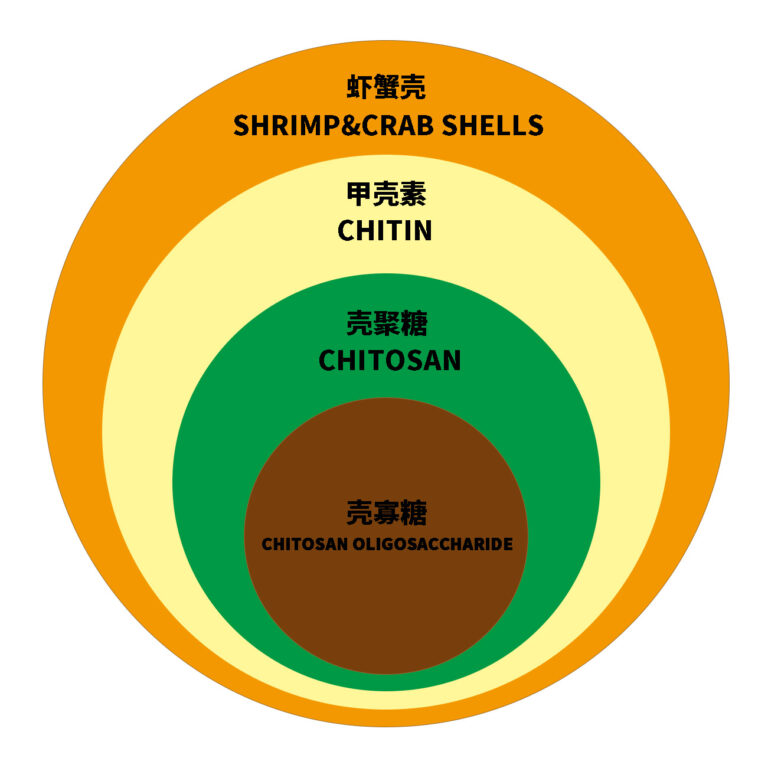
Chitosan is a naturally occurring polysaccharide produced by removing acetyl groups from chitin, the structural component found in the shells of shrimp and crabs. In the acidic environment of the stomach, chitosan becomes positively charged, which enables it to interact with negatively charged molecules such as bile acids and dietary fats. This interaction can result in the formation of gel-like complexes that are excreted through feces, helping to carry unwanted substances out of the body. Human studies have shown that chitosan can lower cholesterol and triglyceride levels, likely through this same mechanism of physical binding. In addition, chitosan has demonstrated a strong ability to adsorb various compounds, including nitrogen-based waste products. These properties may explain its effectiveness in binding to microplastics—particularly neutral, non-polar particles like polyethylene—and supporting their removal from the gastrointestinal tract.
Future Questions and Implications
While the results are promising, several questions remain:
-
Can chitosan remove other types of microplastics (e.g., polystyrene, polypropylene)?
-
How does particle size affect the binding mechanism?
-
Will similar effects be observed in humans?
Even so, this study suggests that chitosan may serve as an effective, food-safe supplement to help reduce the body’s microplastic load—especially as MP exposure through diet becomes increasingly unavoidable.