
Ethyl Methacrylate (EMA): A Versatile Monomer for Durable Coatings and Polymers
Ethyl Methacrylate (EMA): A Versatile Monomer for Durable Coatings and Polymers
In the world of specialty chemicals, certain monomers act as foundational building blocks for advanced materials. Ethyl Methacrylate (EMA) stands out as one such compound. Manufacturers value it for its unique balance of properties, which directly enhance final product performance. You can see its impact in a car’s durable coating, a flexible packaging film, or a strong industrial adhesive bond.
Understanding the Key Properties of EMA
Chemically, EMA is an ester of methacrylic acid. This clear liquid offers good reactivity and imparts specific characteristics when polymerized. Compared to Methyl Methacrylate (MMA), EMA has a slightly longer alkyl chain. This difference creates polymers with improved flexibility and a lower glass transition temperature. Consequently, these polymers often show better solubility in organic solvents. As a result, EMA becomes indispensable for achieving specific mechanical and chemical resistance profiles.
Primary Industrial Applications and Value Creation
The utility of Ethyl Methacrylate spans several key industries. Its functional benefits drive value in multiple areas:
-
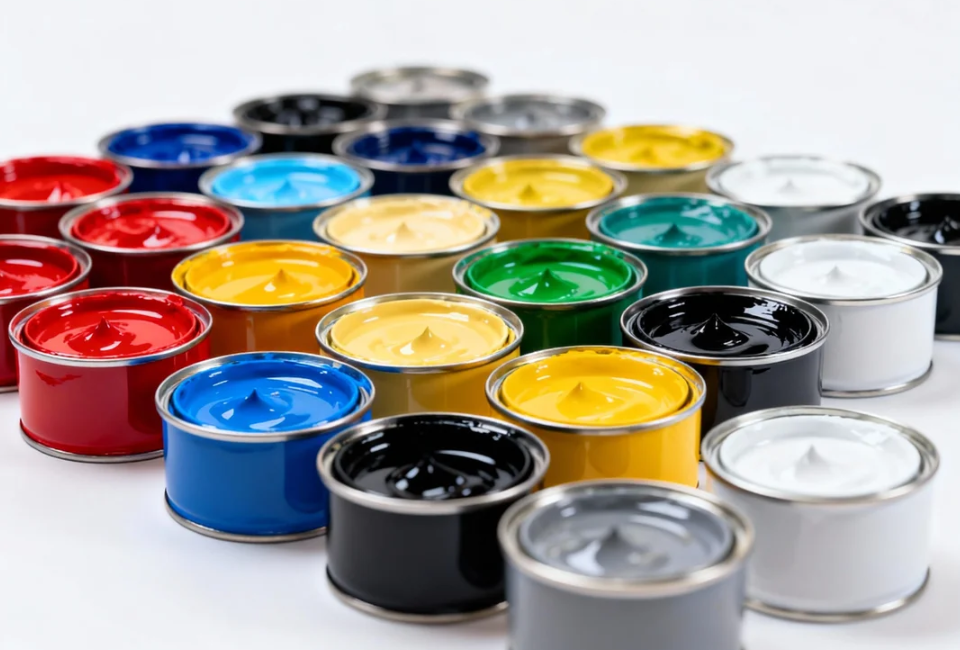
Coatings and Paints: The coatings industry extensively uses EMA in acrylic paints and automotive finishes. It helps create durable, flexible films with excellent gloss and weather resistance. Therefore, products last longer and resist cracking.
-
Adhesives and Sealants: In this sector, EMA enhances adhesive strength and flexibility. It is particularly valuable for pressure-sensitive and structural adhesives. These products must perform reliably under various environmental conditions.
-
Plastics and Resins: As a co-monomer, EMA modifies plastics like PVC. It internally plasticizes materials to improve impact resistance. This approach avoids the migration issues common with external plasticizers.
-
Specialty Polymers: Beyond mainstream uses, EMA also serves niche areas. For example, it aids in synthesizing dispersing agents and certain biomedical materials due to its controllable polymerization.
Key Considerations for Sourcing and Handling
Businesses must consider several factors when sourcing EMA for production. First, high purity is critical because impurities can affect polymerization. Next, consistent specifications ensure reliable batch-to-batch results in sensitive formulations. Finally, proper storage under recommended conditions prevents premature polymerization and maintains shelf life.
In summary, Ethyl Methacrylate is a key enabler of material performance. Its ability to fine-tune polymers makes it essential for developing better products. For innovators in material science, understanding EMA’s capabilities is a significant step toward superior performance.