
DTPA or EDTA: Which Chelating Agent is Better?
Introduction
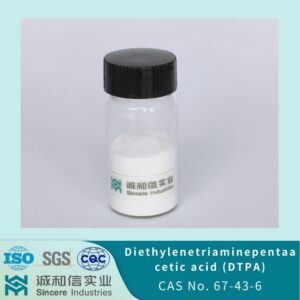
Diethylenetriaminepentaacetic acid (DTPA) is a highly effective chelating agent with a wide range of industrial applications, from water treatment to agriculture and detergent manufacturing.
Understanding Diethylenetriaminepentaacetic Acid Solubility
DTPA is known for its excellent water solubility, which makes it particularly useful in liquid-based industrial formulations. Its solubility varies depending on pH levels. In acidic to neutral conditions, it remains stable and fully soluble, while in alkaline environments, it forms soluble salts such as sodium DTPA.
This solubility profile allows it to effectively bind and sequester metal ions in solution, preventing unwanted precipitation and scaling. Industries that rely on metal ion control, such as water treatment and detergent manufacturing, benefit greatly from it’s reliable performance.
Key Applications of Diethylenetriaminepentaacetic Acid
DTPA’s strong chelating ability makes it indispensable across multiple industries.
In water treatment, it is used to remove heavy metals like iron and copper from industrial wastewater. It also helps prevent scale formation in boilers and cooling systems, improving efficiency and reducing maintenance costs.
The agricultural sector utilizes it in micronutrient fertilizers. By binding essential metals such as iron, zinc, and manganese, it ensures these nutrients remain available for plant uptake, promoting healthier crop growth.
In pharmaceuticals and cosmetics, it acts as a stabilizer, preventing metal-catalyzed degradation in medicines and personal care products. Its ability to chelate trace metals enhances product shelf life and consistency.
It also plays a crucial role in detergents and cleaning agents. By binding calcium and magnesium ions in hard water, it improves soap lathering and cleaning efficiency, making it a preferred choice in high-performance detergent formulations.
DTPA vs. EDTA: Which Chelating Agent is Better?
While both DTPA and EDTA are widely used chelating agents, they have distinct differences that influence their suitability for specific applications.
DTPA has a more complex molecular structure, featuring five carboxyl groups and three nitrogen atoms. Compared to EDTA’s four carboxyl groups and two nitrogen atoms. This structural difference gives DTPA a stronger binding capacity for heavy metals such as iron and copper, making it more effective in demanding industrial applications.
Another key distinction is pH stability. DTPA performs well across a broader pH range, whereas EDTA is less stable under extreme pH conditions. This makes DTPA a better choice for applications requiring consistent performance in varying environments.
While EDTA is commonly used in food preservation and cosmetics, DTPA is often preferred in agriculture, radiopharmaceuticals, and high-efficiency water treatment systems due to its superior metal-chelating properties.
Conclusion
DTPA is a versatile and powerful chelating agent with applications spanning multiple industries. Its excellent solubility, strong metal-binding capacity, and stability under various conditions make it a preferred choice over EDTA in many cases.