Understanding ATMP: A Versatile Performance Booster in Water Treatment and Beyond
Introduction to ATMP: An Industrial Workhorse
ATMP, or Amino Trimethylene Phosphonic Acid, is a fundamental organic phosphonate in industrial chemistry. Importantly, it is renowned for exceptional stability and effectiveness. Consequently, this compound serves as a critical performance enhancer across myriad sectors. Its primary function involves a powerful ability to chelate metal ions. Furthermore, it effectively inhibits scale formation and prevents corrosion. As a result, ATMP is indispensable in systems where water and metal interact.
Core Function: Chelation and Protection
The molecule’s strength lies in its robust chemical properties. For instance, it has a strong affinity for metal cations like calcium and magnesium. This chelation prevents these ions from forming insoluble salts. Therefore, it effectively stops scale before it can start.
Primary Applications in Water Treatment
1. Industrial Cooling and Boiler Systems
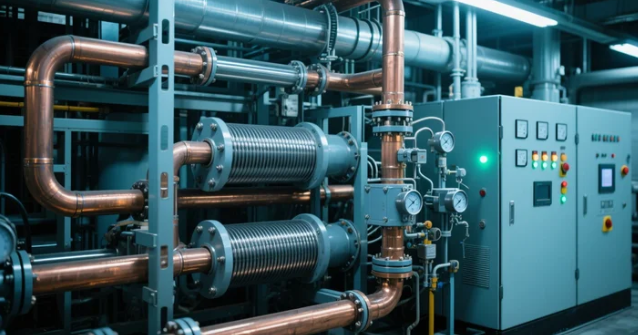
In industrial water systems, ATMP performs a dual role. Firstly, it suppresses tenacious scales like calcium carbonate. This maintenance of heat transfer efficiency prevents significant energy losses. Secondly, it forms a protective layer on metal surfaces. This action mitigates corrosion and extends the lifespan of costly infrastructure. Ultimately, this leads to reduced maintenance costs and enhanced operational efficiency.
2. Reverse Osmosis (RO) Systems
Beyond cooling towers, ATMP is key in reverse osmosis antiscalants. It protects sensitive RO membranes from scaling. This protection is crucial for maintaining high water flux in desalination plants. Moreover, it reduces the frequency of membrane cleaning, ensuring consistent performance.
3. The Textile Bleaching Process
The textile industry uses ATMP as an oxygen bleach stabilizer. During hydrogen peroxide bleaching, metal ions can cause premature decomposition. However, ATMP sequesters these metal ions. This stabilization ensures a controlled, efficient, and uniform bleaching action. As a result, manufacturers achieve higher-quality textile products while conserving chemicals.
Additional Industrial Uses
Furthermore, ATMP finds value in other sectors. For example, in oilfield recovery, it prevents scale in wells and pipes. Similarly, it acts as a chelating agent in cleaning formulations. Here, it enhances cleaning efficiency by effectively softening water.
Conclusion: The Value of a Key Component
In summary, ATMP is a versatile and trusted solution. It enhances efficiency, protects assets, and drives sustainable practices globally. For formulators and engineers, understanding its capabilities is the first step toward optimizing industrial processes.