Role of Hydroxylamine Hydrochloride in Wastewater Treatment
A Natural Intermediate in the Nitrogen Cycle
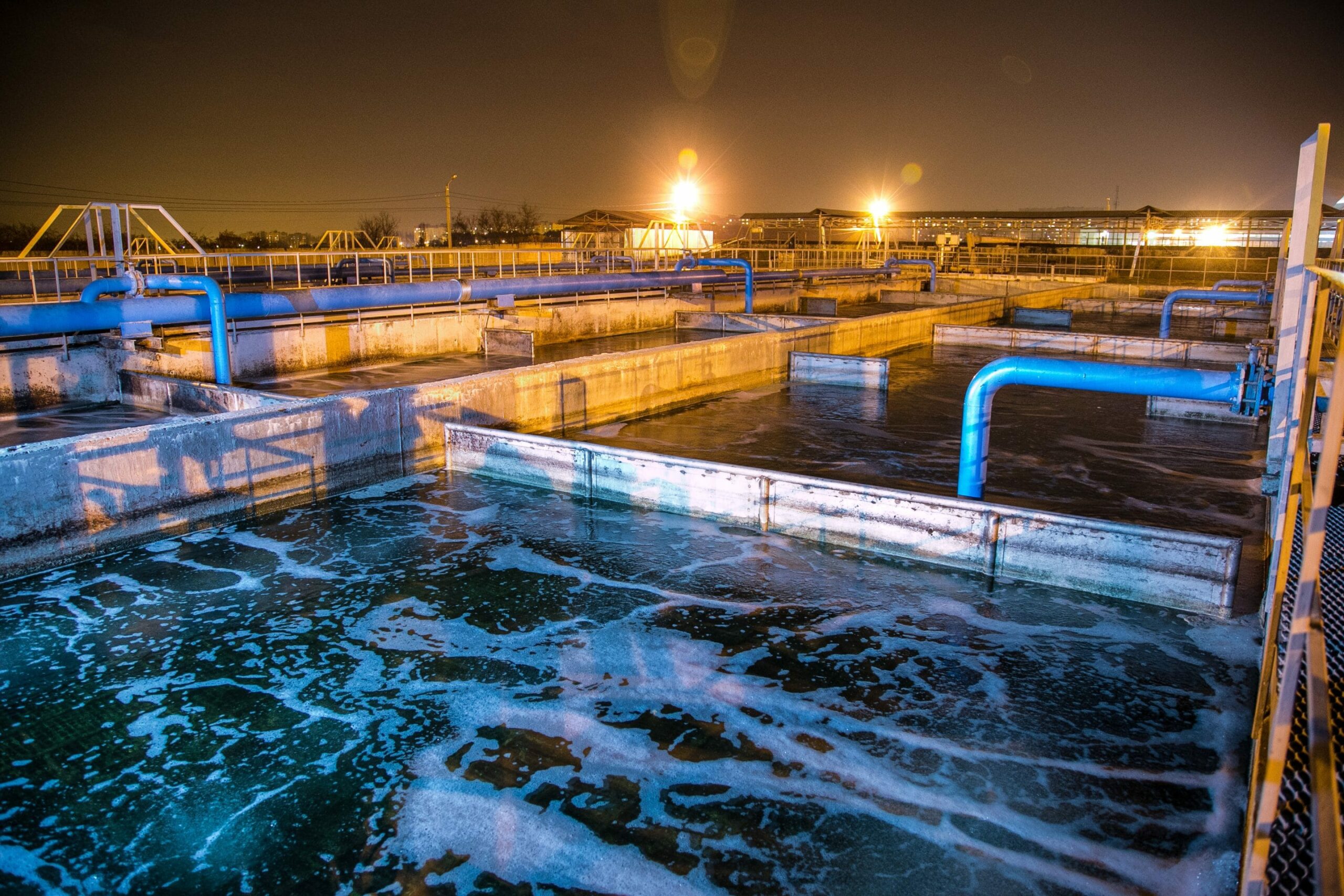
Hydroxylamine hydrochloride is fundamentally a biological intermediate that occurs naturally in the nitrogen cycle. In wastewater treatment systems, it plays a crucial role in nitrification—the biological oxidation of ammonia to nitrite. It also participates in the anammox process, where ammonia and nitrite convert directly into harmless nitrogen gas.
A Selective Metabolic Regulator
The strategic addition of hydroxylamine can manipulate microbial activity to enhance nitrogen removal performance. Research demonstrates it promotes anaerobic ammonium oxidation bacteria while simultaneously inhibiting nitrite oxidizing bacteria. This selective regulation helps maintain the delicate balance required for shortcut nitrogen removal pathways.
The Critical Window of Concentration
Effectiveness hinges entirely on precise dosing, with a narrow window between benefit and toxicity. Concentrations below 10 mg/L consistently promote the start-up and recovery of anammox-based processes. However, when concentrations exceed 15 mg/L, hydroxylamine becomes toxic to the very microbial communities it supports. Excessive levels disrupt the internal reduction of nitrite in anammox bacteria, shutting down the nitrogen removal pathway entirely.
Reshaping Microbial Communities
Long-term exposure to hydroxylamine fundamentally alters the structure of treatment plant microbial communities. In partial denitrification systems, hydroxylamine stimulation enriched Thauera species from 6.1% to 26.9% of the biofilm. It also increased the abundance of Candidatus Brocadia, a key anammox bacterium essential for nitrogen removal.
Strategic Approaches for Future Applications
Researchers have developed innovative strategies to overcome the challenges of uncertain effectiveness and emissions. One approach alternates hydroxylamine addition with other inhibitors to control nitrite-oxidizing bacteria more effectively. Another integrates hydroxylamine regulation into endogenous partial denitrification for more stable system performance. Future advances will involve mathematical models that optimize dosing based on real-time conditions, maximizing benefits while minimizing toxicity.