Bio-Succinic Acid at Scale Production: Greener Chemistry and Competitive Growth
In the evolving landscape of green chemistry, few molecules are generating as much momentum as succinic acid. And for good reason: its role as a C4 platform chemical means it connects renewable raw materials to a growing number of sustainable applications — from biodegradable plastics to pharmaceuticals, green solvents, and high-value intermediates.
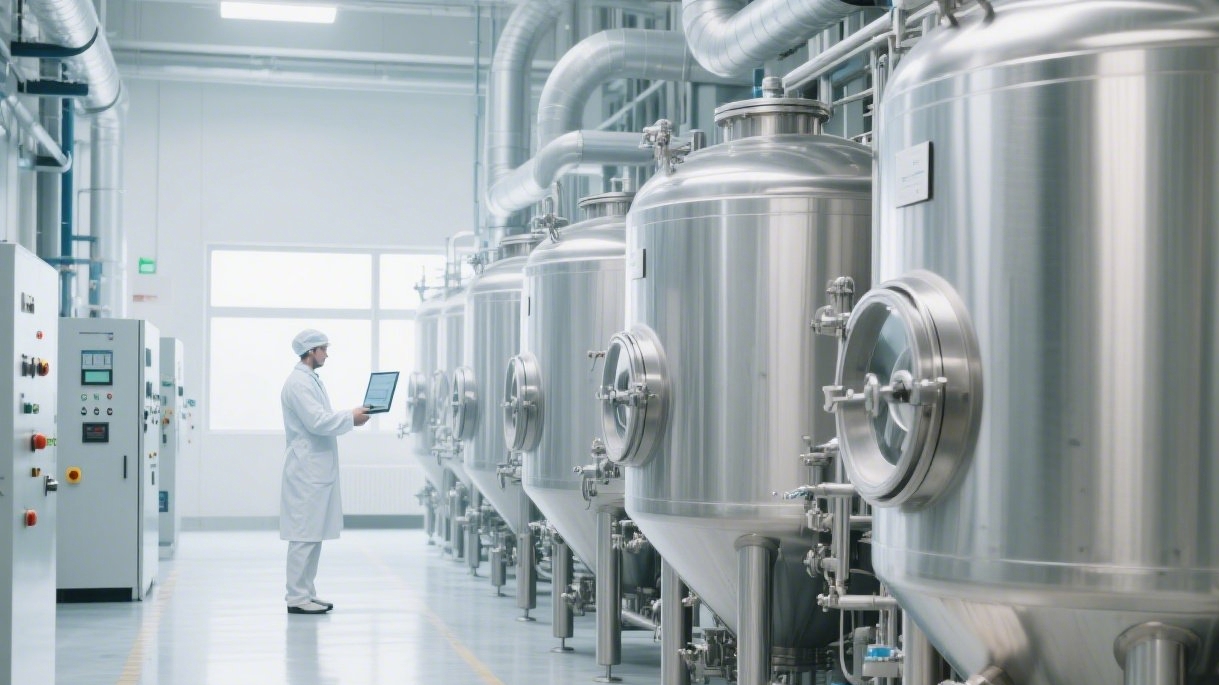
At Hainan Sincere Industries, we’ve recently reached a milestone that many in the field have been watching closely: Our bio-based succinic acid production has scaled to 50,000 tons annually, powered by glucose fermentation — offering a viable, cost-effective alternative to petrochemical-based routes.
If you’re working with PBS, BDO, or exploring renewable raw materials, here’s why this matters.
A Platform Molecule with Real-World Versatility
Succinic acid isn’t new — but its context has changed.
This dicarboxylic acid has long been a key intermediate in biochemical pathways and industrial syntheses. Today, as regulations tighten around fossil-based materials, and the market pushes for circularity, succinic acid is gaining renewed relevance as a bio-based alternative to benzene-derived chemicals.
Its value lies in flexibility. Succinic acid feeds into products across:
-
Biodegradable plastics (e.g., PBS)
-
Solvents (e.g., GBL, NMP)
-
Monomers for engineering plastics (e.g., BDO, THF)
-
Additives, surfactants, and API intermediates
And it’s officially on the radar — ranked by the U.S. DOE as one of the top 12 bio-based platform chemicals with strategic global significance.
From Breakthrough to Scale: What We’ve Achieved
While chemical synthesis from n-butane or maleic anhydride has been the conventional route, it’s faced well-known challenges: high cost, carbon emissions, and supply volatility.
That’s why the fermentation pathway has long been seen as the ideal direction — provided it could scale.
After years of strain optimization, process engineering, and pilot-scale validation, we’ve achieved stable, industrial-scale bio-succinic acid production using glucose as feedstock, under both aerobic and anaerobic conditions. The result:
-
Lower production costs
-
Predictable supply
-
Reduced carbon footprint
-
Seamless integration into downstream use
This scale is not just a manufacturing milestone — it’s a signal to the downstream value chain that bio-based succinic acid is ready for real use, at real volumes.
Lowering the Cost Barrier for PBS Growth
One of the clearest beneficiaries of this progress is PBS (polybutylene succinate) — a biodegradable polyester gaining traction in packaging, agriculture, and consumer goods.
Until now, PBS’s expansion has been partly limited by raw material costs — particularly succinic acid.
But with glucose-based succinic acid entering the market at scale, the economics are changing. Based on recent feedstock and energy data, PBS made from fermentation-derived succinic acid is approaching cost parity with PBAT and PLA. That’s an important inflection point for brand owners, converters, and sustainability teams considering material transitions.
The global biodegradable plastics market is projected to grow from 1.55 million tons in 2021 to over 5.3 million tons by 2026, with PBS accounting for a major share of this growth. For product developers and purchasing teams, reliable and cost-stable raw materials will define the pace of that adoption.
We’re ready to support that growth with the capacity to match.
Looking Beyond Plastics: Succinic Acid as a Strategy
The versatility of succinic acid extends beyond any single application.
Whether you’re formulating green solvents, developing new surfactant systems, or replacing petrochemical intermediates in fine chemical synthesis, bio-succinic acid offers a viable, renewable entry point.
And now that scale and price are no longer barriers, the decision shifts to timing and integration:
Where can it fit into your roadmap — and what advantage can it unlock for your product or brand?
Let’s Start the Conversation
If you’re a formulator, procurement lead, or R&D team exploring how to de-risk your supply chain or decarbonize a material stream, now is the time to connect.
We’re happy to provide technical data, application support, or commercial samples.
Now that bio-succinic acid is viable at scale — the real question is: Where will you apply it next?