
What is EDTA-2Na? | CAS 6381-92-6
In today’s competitive food industry, manufacturers constantly seek innovative solutions to extend shelf life, maintain freshness, and ensure product safety. As a leading exporter of high-purity chemical products, we proudly introduce EDTA Disodium (EDTA 2Na) as a excellent food additive. This versatile compound, scientifically known as Ethylenediaminetetraacetic acid disodium salt, excels as a chelating agent by binding to metal ions that cause spoilage, discoloration, and nutrient loss. In this comprehensive guide, we’ll explore how EDTA 2Na transforms food applications, from beverages to canned goods, while adhering to global safety standards. With over 20 years of expertise in chemical exports, we provide EDTA disodium that meets stringent quality controls, ensuring your products shine in international markets.
What is EDTA 2Na?
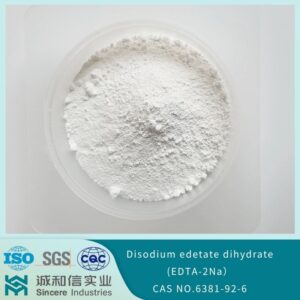
EDTA 2Na, or EDTA Disodium, is a water-soluble salt derived from EDTA acid, widely recognized for its ability to sequester metal ions like iron, copper, and calcium. This action prevents undesirable reactions in food, such as oxidation or enzymatic browning, which can degrade taste, color, and nutritional value. Chemically, it’s stable, non-toxic, and easily integrated into various formulations, making it a staple in food processing. Its versatility stems from its molecular structure, which allows it to form stable complexes with metals without altering pH levels. As a result, EDTA disodium is not just an additive but a critical tool for enhancing food integrity. For manufacturers, it offers a cost-effective way to improve product consistency, especially in large-scale production where minor impurities can lead to significant losses.
Key Benefits of EDTA Disodium in Food Applications
EDTA 2Na delivers multifaceted advantages that elevate food quality and safety. First, it acts as a powerful antioxidant by neutralizing metal catalysts that trigger rancidity in oils or fats, extending shelf life by up to 30% in products like salad dressings and snacks. Second, it preserves vibrant colors in fruits, vegetables, and beverages—think of the bright red in tomato sauce or the clear hue in soft drinks—by inhibiting metal-induced discoloration. Third, it stabilizes flavors and textures; for instance, in dairy items like cheese or yogurt, it prevents graininess caused by calcium buildup. Additionally, EDTA disodium enhances nutrient retention, such as protecting vitamins in fortified foods from degradation. Economically, it reduces waste and production costs by minimizing spoilage, while its compatibility with other additives allows seamless formulation tweaks. These benefits make it indispensable for achieving high-quality, consumer-pleasing products that meet export demands.
Diverse Uses in the Food Industry
The applications of EDTA disodium span multiple food sectors, showcasing its adaptability and effectiveness. In canned and preserved foods, it prevents metal leaching from containers, ensuring products like beans or fish maintain freshness and avoid off-flavors—crucial for exports to regions with strict quality controls. For beverages, such as juices, sodas, and sports drinks, it stabilizes clarity and prevents sedimentation caused by minerals, enhancing visual appeal and shelf stability. In dairy and bakery items, EDTA 2Na controls calcium levels to improve texture, such as in cheese production where it yields smoother curds. Processed meats benefit from its role in inhibiting oxidation, preserving color and taste in sausages or ready-to-eat meals. Even in condiments and sauces, it acts as a preservative by chelating trace metals. By incorporating EDTA disodium, manufacturers can cater to diverse consumer preferences while complying with food safety norms.
Safety and Regulatory Compliance
Safety is paramount when using EDTA disodium in food, and it boasts a strong track record under global regulations. Extensive studies confirm that, when used within recommended levels, it poses no significant health risks—organizations like the FDA classify it as GRAS (Generally Recognized as Safe), and the EU’s EFSA sets strict guidelines for daily intake (e.g., up to 2.5 mg/kg body weight). Potential concerns, such as mineral depletion, are mitigated by balanced formulations and adherence to limits. By choosing high-purity EDTA 2Na (99%+), you minimize contaminants and uphold food safety, building trust with consumers and partners alike.